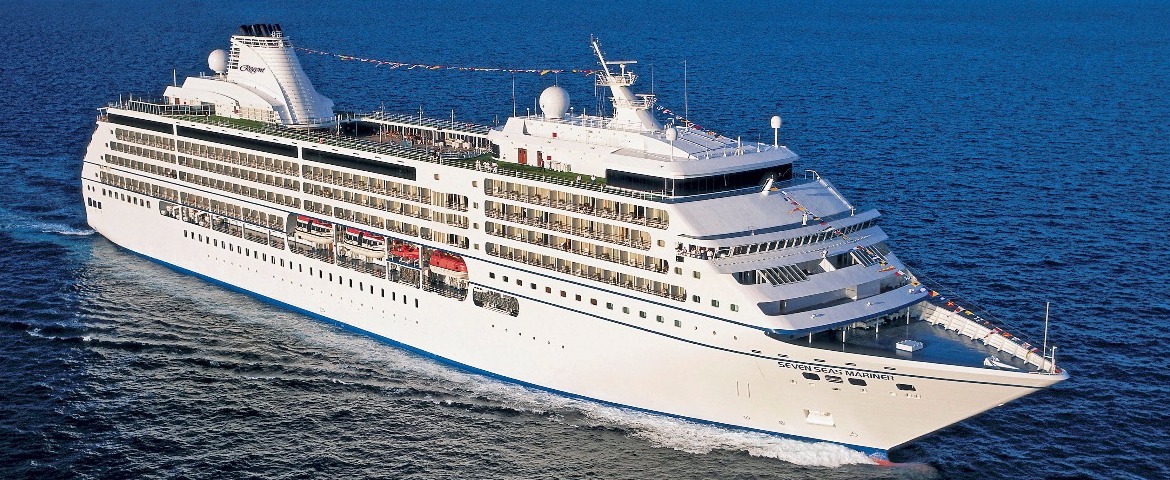
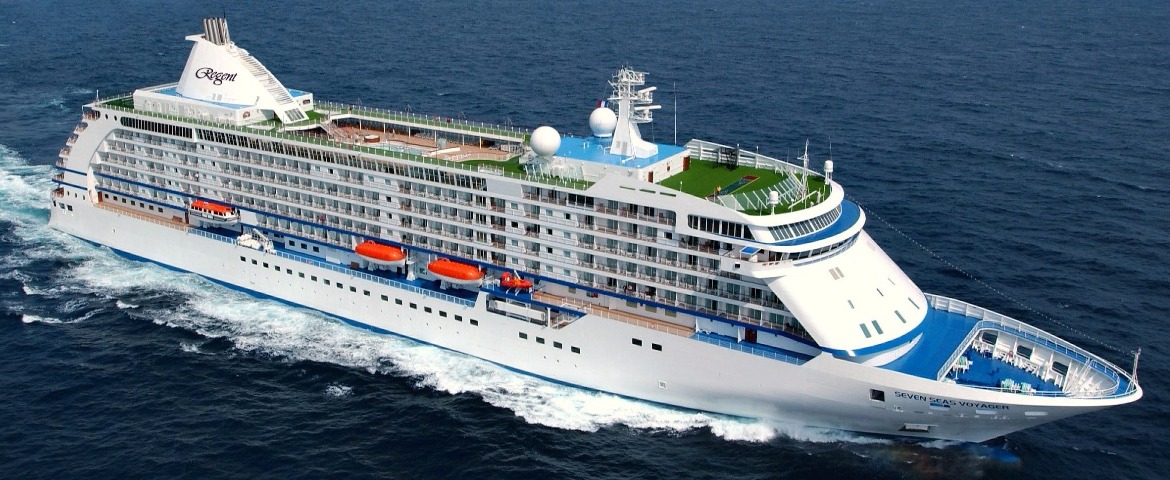
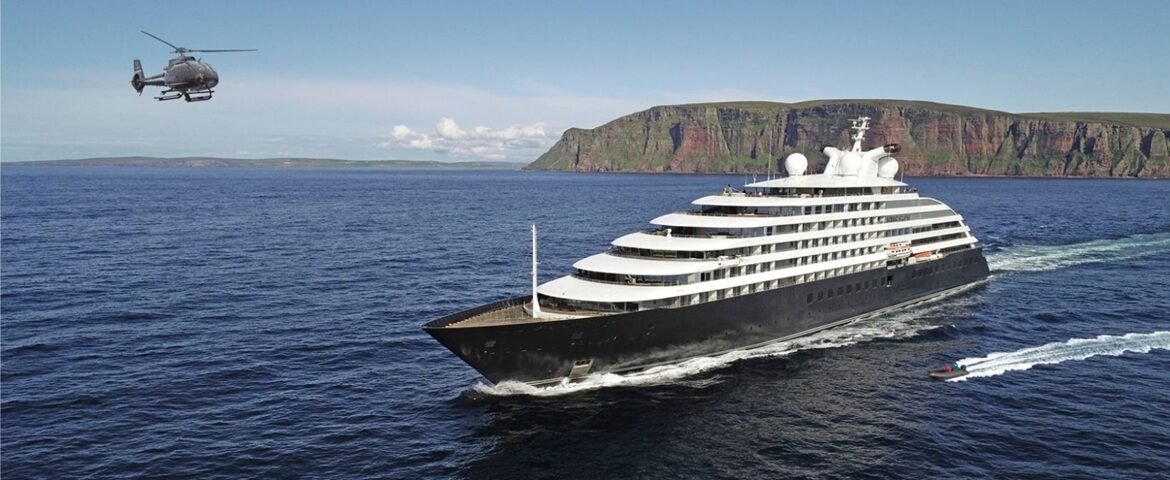
Ships anchor in Bangor Bay, and a shuttle carries passengers to the nearby marina pier. The crossing already offers a taste of the town's character: a forest of masts swaying gently in front of a Victorian promenade, with the hills of County Down as a backdrop. The town faces out onto Belfast Lough, the great sea inlet that connects the region to the open water, and arriving by sea remains the finest way to meet it.

The Marina and the Seafront

With 541 berths, the marina stands as the largest in Northern Ireland. Opened in 1989, it brought new life back to the seafront, a vitality felt from the first steps on the dock. Sailboats, fishing boats and pleasure craft sit side by side, while walkers stroll along Queen's Parade between the restored Victorian bandstand and the clock tower, two familiar landmarks for locals.

Close by juts out Eisenhower Pier. Its name recalls a notable episode: it was in the waters off Bangor that General Eisenhower reviewed part of the Allied fleet before the Normandy landings. Today, the pier mainly serves as a starting point for boat trips and a vantage point for watching the comings and goings of the boats.

Castle Park and Its Walled Garden

About a fifteen-minute walk from the shore, Castle Park surrounds the former Bangor Castle, now the town hall. The grounds hold a surprise: a walled garden of about 0.6 hectares, carefully restored and open free of charge since 2009. Four distinct areas follow one another, from the vegetable garden to the herb and topiary garden, along with a flower garden and a boggy section. The pathways invite you to slow down, and many cruise passengers find this the most peaceful moment of their day.

The site also carries a much older history. Bangor Abbey, founded in 558 by Saint Comgall, made this stretch of coast one of Ireland's great monastic centres. Monks who set out from here spread across Europe during the early Middle Ages. The present-day church, heir to that history, stands a little apart from the town centre and is well worth a look for anyone interested in the island's Christian past.

Walking Along the Lough

From the seafront, the North Down Coastal Path hugs the shoreline for several kilometres in both directions. Heading west, the trail runs toward Crawfordsburn and its wooded beach; heading east, it reveals coves and rocky points. The route stays flat and accessible, and you can turn back at any time: an hour's walk is enough to take in the changing light on the lough and the calls of seabirds.

Families, meanwhile, often gather at Pickie Fun Park, a local institution where pedal swan boats cross paths with a miniature children's train. The place sums up the spirit of the town rather well: an old-fashioned, unpretentious seaside resort that takes pleasure in simple things.

Belfast Within Reach

The small town also makes for a convenient gateway to the Northern Irish capital. A regular train connects the downtown station to Belfast, and several organized excursions combine the region's highlights: the gardens of Mount Stewart, the County Down coast or the historic quarters of the larger neighbouring city. Those who prefer to stay put won't be bored either: cafés, shops and tea rooms line the streets climbing up from the sea.

Before Heading Back on Board

At the end of the day, the shuttle brings passengers back to the ship anchored in the bay. From the deck, the shoreline slowly recedes: the promenade, the masts, the bandstand, then the hills fading into the mist over the lough. This port call doesn't try to dazzle. Instead, it leaves behind the memory of a very real gentle way of life, that of a small seaside town that has turned its shoreline into a place for a leisurely stroll, and one that leaves you wanting to explore more of this Irish coast someday.

Frequently Asked Questions

By tender. Ships anchor in Bangor Bay on Belfast Lough, and a tender runs to the pier beside the marina. The crossing already gives a sense of the place: a forest of masts in front of a Victorian promenade, with the County Down hills behind.
Yes. The seafront, Queen's Parade, Eisenhower Pier and Castle Park — about fifteen minutes' walk from the shore — are all reachable on foot from the marina.
The largest in Northern Ireland, with 541 berths. Opened in 1989, it gave the seafront a vitality you feel from your first steps ashore: yachts, fishing boats and pleasure craft side by side.
Because it was in the waters off Bangor that General Eisenhower reviewed part of the Allied fleet before the Normandy landings. Today the pier mainly serves as a departure point for sea trips and a balcony for watching boat traffic.
A garden of about 0.6 hectares, carefully restored and free to enter since 2009, in the grounds of Bangor's former castle, now the town hall. Four worlds follow one another: kitchen garden, herb and topiary garden, flower garden and a bog section. Many cruise passengers find it the most peaceful moment of their day.
Bangor Abbey, founded in 558 by Saint Comgall, made this coast one of Ireland's great monastic centres, and monks who set out from here spread across Europe in the early Middle Ages. The present church, heir to that history, stands away from the town centre.
Yes. The North Down Coastal Path hugs the shore for several kilometres in both directions: west toward Crawfordsburn and its wooded beach, east toward coves and rocky points. The route stays flat and accessible, and you can turn back at any time.
Yes. A regular train links the town-centre station to the Northern Irish capital. Several organized excursions also combine the region: the gardens of Mount Stewart, the County Down coast or the historic quarters of the nearby city.
The pound sterling and English. Payment cards are accepted everywhere in the cafés, shops and tearooms on the streets climbing up from the sea.
Very much so. Pickie Park is a local institution where pedal swans share the water with a little train for children. The place sums up the spirit of the town: an old-fashioned seaside resort, unpretentious, that cultivates simple pleasures.