Inaccessible Island St Helena UK
United Kingdom

17 Cruises availables At departure or passage at this port

Inaccessible Island | Cruise Port Guide

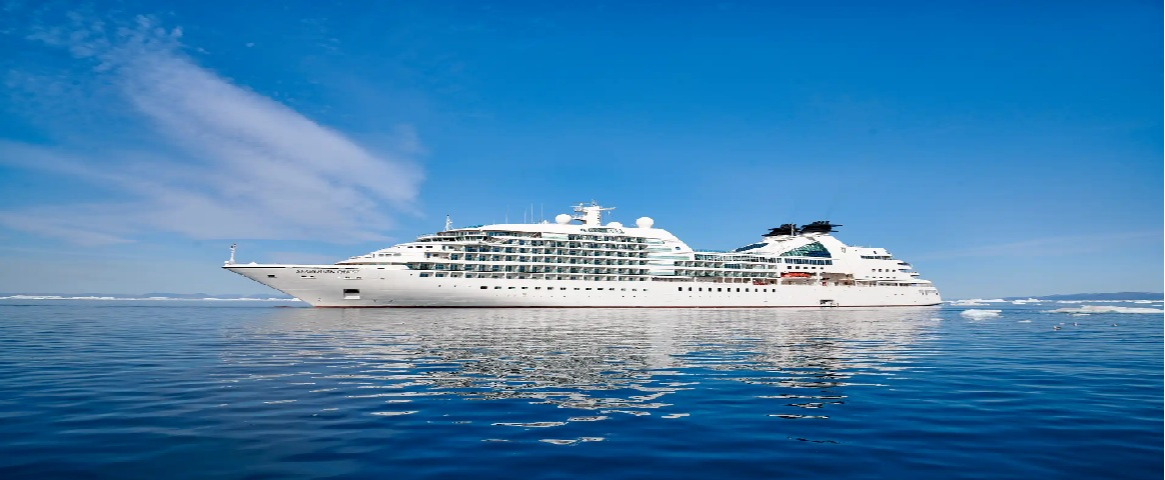
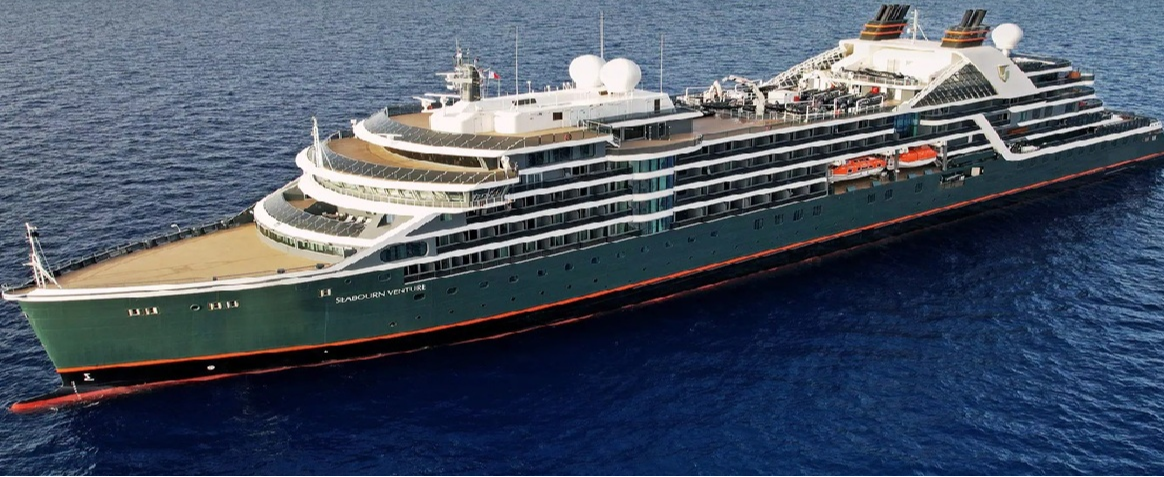
The name alone is a warning. Inaccessible: a volcanic plateau ringed by cliffs, set in the South Atlantic thousands of kilometres from any continent, neighbour to Tristan da Cunha, the most isolated inhabited community on the planet. No dock, no residents, no infrastructure. The only ships that approach are small expedition vessels, and it's the weather that decides the program, never the other way around.

A Reserve Under Strict Protection

Along with its neighbour Gough, the island has been a UNESCO World Heritage site since 2004, recognized as one of the least disturbed temperate island ecosystems in the world. Access to land is strictly regulated: aside from a handful of permit-holding scientists and Tristan islanders visiting for traditional activities, no one sets foot on these slopes. That strictness explains the state of the place: seabird colonies numbering in the millions across the island group, vegetation left almost untouched, a world from before. Human history here amounts to a few failed attempts; it's said that two German brothers tried to settle here in the 1870s to live off seal hunting, and held out for two years before asking to be taken back home. The island itself hasn't given an inch. Ships today follow strict biosecurity protocols: nothing may be brought ashore, not even a seed stuck in a boot sole.

The Smallest Flightless Bird

The island shelters a celebrity almost no one has ever seen: the Inaccessible rail, the smallest flightless bird in the world. Thirteen to fifteen centimetres long, about the weight of a handful of coins, its entire existence confined to these few square kilometres of tall grass. You likely won't spot it from the sea; its mere presence, somewhere above the cliffs, is enough to sum up the character of this place. The onboard ornithologists speak of it with a touch of reverence: unique species live here without ever needing the rest of the world, and genetic studies show that the rail's ancestor arrived on its own wings before giving up flight altogether, with no predators around to need it.

From the Zodiacs

The encounter happens right at water level. When the swell allows it, the boats cruise along the cliff faces where northern rockhopper penguins nest, recognizable by their yellow crests, alongside petrels, albatrosses, and fur seals. The noise of the colonies carries far, mixing with the surf; the dark cliffs rise in a single sweep toward the plateau, capped with clinging clouds. Naturalists provide commentary from the boats, cameras click away, and everyone senses they're witnessing something out of the ordinary: most cruise ships go their entire operating life without ever putting this name on an itinerary. Landings remain exceptional: in 2026, one expedition managed to put passengers ashore on all three main islands of the group for the first time in over ten years, a rare enough feat to make the rounds of the specialist press.

Preparing for the Unpredictable

  • Layered clothing, a waterproof windbreaker, and gloves: the South Atlantic stays cool and changeable even in the austral summer.
  • Binoculars are essential; most of the viewing happens from the Zodiac or the deck.
  • Accept in advance that the program may change: here, a simple successful approach is already the event.

The ship eventually moves on, and the island returns to its birds. What stays from this passage is something unusual for a travel journal: the memory of a place you don't really visit, but observe from the edge. The planet still holds a few places that refuse to be reached, and that's exactly what gives this day its value; expedition ships offer nothing more precious than these uncertain encounters.

Frequently Asked Questions

No. Access ashore is strictly controlled: apart from a few permit-holding scientists and Tristan da Cunha islanders coming for traditional activities, nobody sets foot on these slopes. The island is seen from the sea and from zodiacs, when the swell allows.
In the South Atlantic, next to Tristan da Cunha, the most isolated inhabited community on the planet, thousands of kilometres from any continent. It is a volcanic plateau ringed by cliffs, with no quay, no residents and no infrastructure at all.
Because since 2004 it has been a UNESCO World Heritage site, together with neighbouring Gough, as one of the least disturbed temperate island ecosystems in the world. Ships follow strict biosecurity protocols: nothing may be brought ashore, not even a seed lodged in the sole of a boot.
Zodiac cruising at water level, when the swell allows, along the walls where Northern rockhopper penguins, petrels, albatrosses and fur seals breed. The ship's naturalists commentate from the boats. The dark cliffs rise in a single sweep to the plateau, capped by clinging cloud.
The smallest flightless bird in the world: thirteen to fifteen centimetres, the weight of a handful of coins, and an entire existence confined to these few square kilometres of tall grass. You are unlikely to see it from the sea, but its presence alone sums up the place.
Almost never. Human history here comes down to a few failed attempts: two German brothers are said to have tried to settle in the 1870s to live off sealing, lasting two years before asking to be taken off. The island gave up nothing.
No. Only small expedition vessels approach, and the weather sets the programme, never the other way round. Operators present this approach as a possibility, not a promise.
Northern rockhopper penguins with their yellow crests, petrels, albatrosses and fur seals. The noise of the colonies carries far, mixed with the surf. The island group holds seabird colonies numbering in the millions.
Not really. This is expedition sailing in the South Atlantic, with no landing, long days at sea before and after and often heavy conditions. It suits passengers passionate about birds and untouched wilderness.
Binoculars and waterproof, windproof clothing for zodiac cruising and long spells on deck. Plan to protect your camera from spray as well: the outing happens at water level and you rarely come back dry.