Isle of Canna Scotland
United Kingdom
5
Cruises availables
At departure or passage at this port
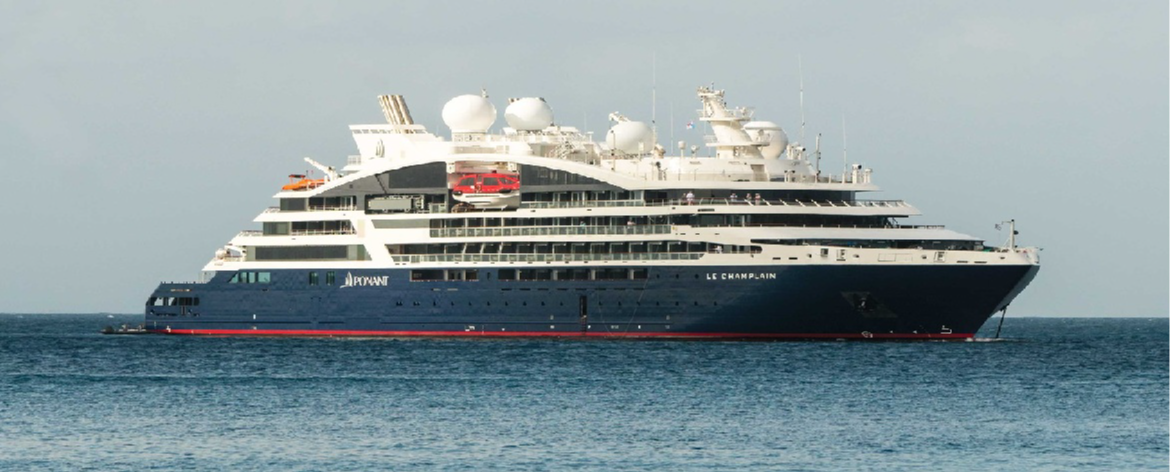

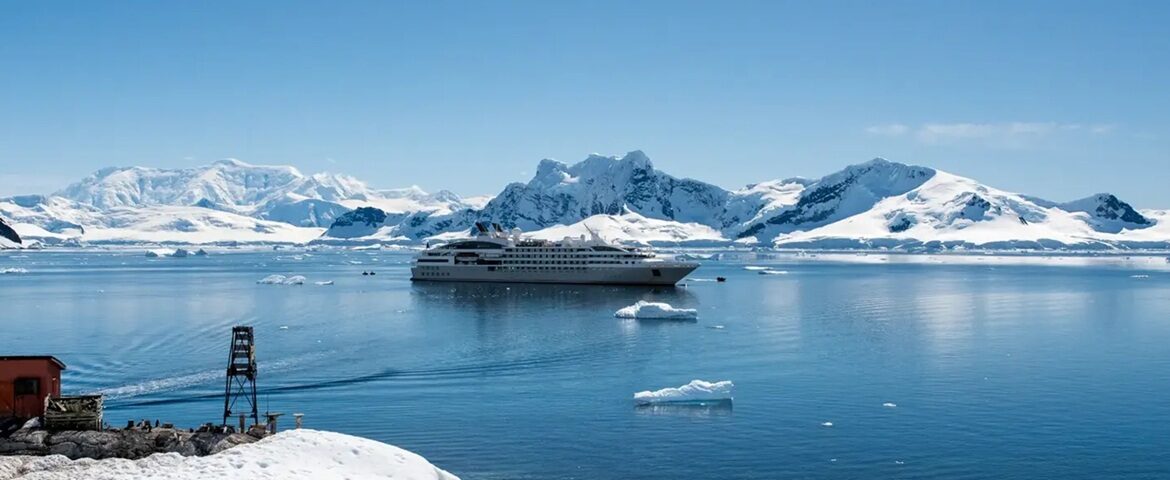
Silversea Cruises (1 Cruises)

Isle of Canna, Scotland | Cruise Port Guide
Frequently Asked Questions
The anchorage is reserved for expedition ships and small vessels, whose tenders come alongside the landing on the east side of the island. It is one of the safest anchorages in the Small Isles of the Inner Hebrides, which makes the call more reliable than on many neighbouring islands.
A handful of residents, a farm, a church, a café: that is all. The rest belongs to the grassland, the basalt and the birds. A small visitor centre near the landing helps make sense of the place.
Walk and watch birds. The coastal paths offer natural vantage points, and the climb to Compass Hill in the northeast gives the best overall view. Canna House and its gardens round out the day.
Designated a bird sanctuary as early as 1938, the island holds more than twenty thousand breeding seabirds. From late spring through midsummer, puffins, guillemots and razorbills occupy the cliff ledges, while terns dive into the coves and seals haul out on the rocks. Binoculars are strongly recommended.
The home of John Lorne Campbell and his wife Margaret Fay Shaw, who devoted their lives to collecting the songs, stories and poetry of the Gaelic world. Their collection — recordings, manuscripts, photographs — is still here. Recently restored, the house is shown in small groups depending on the day; the gardens are freely open to walkers.
Because of the minerals in its volcanic rock, said to send the compasses of ships hugging the coast astray. The hill stands in the northeast of the island and its summit gives the fullest panorama of the call.
The National Trust for Scotland, which has cared for it since 1981 and looks after its landscapes as much as its Gaelic heritage. Residents met at the farm or the café happily add to what the visitor centre tells you.
For families whose children walk, yes. There are no attractions and no services: the interest lies in the birds, the cliffs and the quiet. Landing is by tender and the ground is uneven away from the paths.
A café, and virtually nothing else. Bring water and something to eat from the ship, along with a waterproof layer: Hebridean weather changes fast and there is nowhere to shelter on the coastal paths.
Late May to mid-July, when the colonies are full and flowers speckle the cliffs white. After mid-July, some of the birds have already gone back to sea. Landing always depends on sea conditions.


