Isle of Eriskay Scotland
United Kingdom
Isle of Eriskay, Scotland | Cruise Port Guide
Frequently Asked Questions
Expedition ships anchor offshore and land passengers by zodiac, usually at Acarsaid Mhor, the natural "great harbour" on the east coast, whose pier was upgraded in 2009. From there a single-track road leads to the main village in about twenty minutes on foot.
Yes, entirely: the island measures about four kilometres by two and a half. Rocky hills, low houses facing the sea and sheep wandering the roads — there is no public transport and no taxi.
The beach at Coilleag a' Phrionnsa on the west coast, a pint at the Am Politician pub and a walk to the village fill the call. Everything is on foot and nothing is far, though the distances are covered at the pace of the slopes.
On the night of 5 February 1941 the cargo ship ran aground on the rocks north of the island with tens of thousands of cases of whisky in her holds. Islanders, cut off from their national drink by wartime rationing, mounted night expeditions to the wreck and hid the bottles in the peat. The episode inspired the novel and film Whisky Galore.
Yes, a few are displayed behind the bar at the Am Politician pub, recovered from the wreck and kept like relics. Looking is allowed, tasting is not. Several local families descend directly from the "salvagers" of 1941 and tell the story with undiminished pleasure.
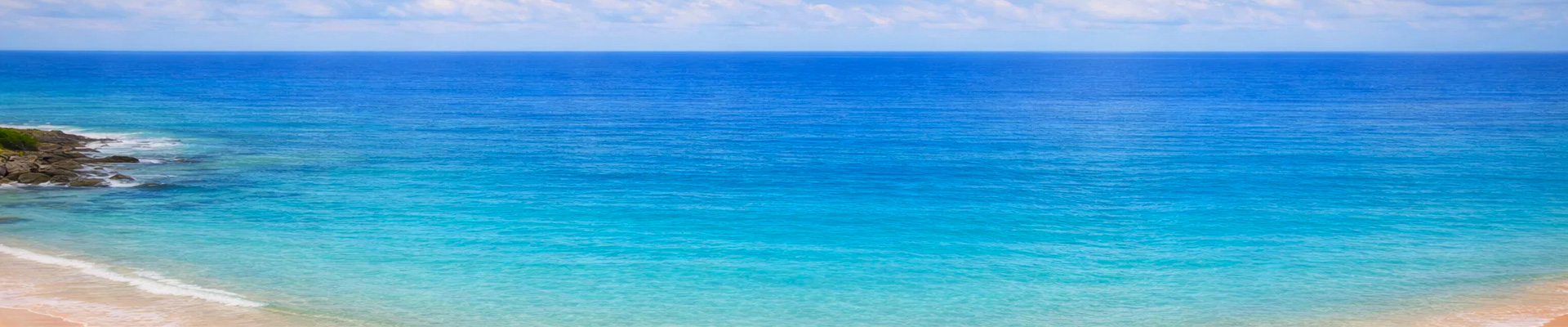
A pale sand beach washed by turquoise water that surprises at this latitude, on the west coast. It is where Charles Edward Stuart, Bonnie Prince Charlie, first set foot on Scottish soil, on 23 July 1745, landed from the French ship Du Teillay.
The water is splendid to look at but cold all year: swimming is for the bold, even in August. The beach lends itself better to walking, especially in summer when the machair beside it fills with clover, orchids and buttercups.
Yes, for families who enjoy walking and hearing stories. The Prince's Beach, the Eriskay ponies and the tale of the stranded whisky hold children's attention well. There is, however, no attraction and no organised programme.
Very few: a pub, a small shop, and that is about it. Bring water and something to eat from the ship, along with a little cash. The village is scattered across the slopes rather than gathered together.
Gaelic remains very much alive in the Outer Hebrides, but everyone speaks English. The currency is pounds sterling. The best window runs late May to August, when the machair flowers; zodiac landing always depends on sea conditions.


