Poole, England | Coastal Cruise & Travel Guide

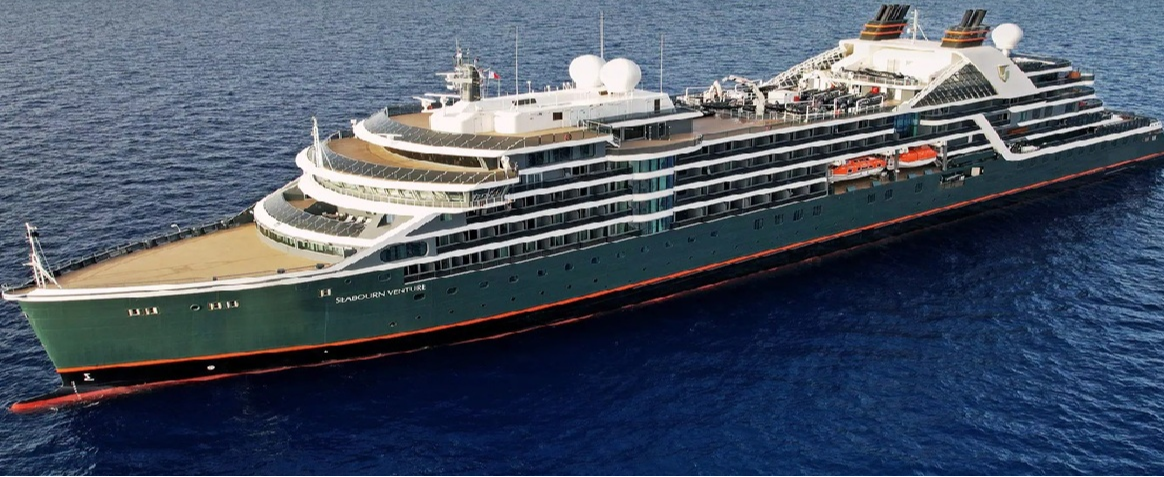
Seen from the deck, Poole Harbour looks like an inland sea: kilometres of calm water dotted with wooded islands, sailboats and sandbanks. This inlet on the Dorset coast ranks among the largest natural harbours in the world, and the ship threads its way to South Quay, opened in 2018 for vessels up to 220 metres long. From there, ten minutes on foot is enough to reach the old quays and the heart of the old town.

Poole Quay, between trawlers and terraces

Along the harbour, pleasure boats have gradually replaced the barges that once exported pottery and rope, but the place has kept its trading spirit. Terraces watch the ferries go by, fishermen unload their pots, and brewery signs stand alongside ticket booths for boat excursions. The kilns of the famous local pottery long burned just steps from here, and its colourful pieces can still be found in the area's antique shops. It is the natural rallying point of the port call: everything starts here and everything comes back here.

The Georgian old town and the Cockle Trail

One street back from the harbour, the atmosphere changes: Georgian houses of weathered brick, cobbled courtyards and lanes with a medieval layout. Look up at the dated lintels and brass door knockers: the prosperity of the 18th-century shipowners shows in every detail. The free Poole Museum tells the harbour's long maritime history, from smugglers to transatlantic flying boats; next door, Scaplen's Court preserves 14th-century rooms. To explore without a map, follow the Cockle Trail: brass shell-shaped markers set into the sidewalks guide the curious from one historic site to the next. The exercise appeals to families and heritage lovers alike.

Brownsea, the island of red squirrels

In the middle of the harbour, Brownsea Island alone justifies a few hours of the port call. Boats leave the quay regularly and land after a short crossing among the sailboats. Managed by the National Trust, the island combines pine woods, a bird lagoon and quiet trails where one of England's last strongholds of the red squirrel survives. It was also here that Robert Baden-Powell organized the founding Scout camp in 1907, an episode marked by a commemorative stone. Allow about three hours for the crossing and an unhurried loop.

Sandbanks and the sand spit

Another possible outing: the Sandbanks peninsula, which closes off the harbour facing the sea. Its fine sandy beaches, among the most renowned in southern England, can be reached by bus or water taxi from the harbour. Walkers will find a long golden shore, the curious a row of villas among the most expensive in the country, and everyone a clear view of the harbour entrance where ferries and cruise ships cross paths.

Practical pointers

  • The South Quay terminal is about ten minutes' walk from the historic harbour.
  • Crossings to Brownsea take about twenty minutes; tickets are sold directly on the quay.
  • The waterfront museum is free, an ideal fallback on rainy days.
  • Distances in the centre can all be covered on foot; save the bus for the Sandbanks beaches.

Casting off

Leaving the harbour is best savoured from the deck: the islands slowly file past, the white sails move aside, then the Sandbanks channel opens onto the English Channel. This port call never overwhelms passengers with monuments; instead, it offers a happy geography of sheltered water, sand and woods. You leave this stretch of water thinking that a single tide was not enough to see it all.

Frequently Asked Questions

At South Quay, opened in 2018 for vessels up to 220 metres. The ship threads its way in across the harbour, one of the largest natural harbours in the world. From there, ten minutes' walk reaches the old quays and the heart of the old town.
Poole Quay and the Georgian old town on foot, then the boat shuttle to Brownsea Island. It is a natural sequence: everything starts at the quayside and comes back to it, with no road transport.
An island in the middle of the harbour, managed by the National Trust, mixing pine woodland with a bird lagoon. Shuttles leave regularly from the quay and arrive after a short crossing between the yachts. It justifies a few hours of the call on its own.
A route marked by brass shell-shaped studs set into the pavements, guiding the curious from one historic site to the next through the old town. It entertains families as much as heritage enthusiasts, and it saves consulting a map.
Georgian houses of weathered brick, cobbled courtyards and lanes on a medieval plan, one street back from the quayside. Look up at the dated lintels and brass knockers: the prosperity of 18th-century shipowners shows in every detail.
No, entry is free. It tells the long maritime history of the haven, from smugglers to transatlantic flying boats. Next door, Scaplen's Court preserves rooms dating from the 14th century.
Like an inland sea: kilometres of calm water dotted with wooded islands, yachts and sandbanks. This inlet of Dorset is among the largest natural harbours in the world, and the ship's approach gives the best possible view of it.
Pottery. The kilns of the famous local pottery burned for many years a short walk from the quay, and its colourful pieces can still be found with the antique dealers of the district. It is a souvenir more rooted in the town than anything off a shop shelf.
Very much so. The Cockle Trail turns the visit into a treasure hunt, the crossing to Brownsea is always a hit, and the quay is flat and lively. The free museum lets you come and go without calculating.
Pound sterling and English. Cards are accepted everywhere, including for the boat shuttles and excursions leaving from the quay. Cash machines are easy to find in the old town.