Westray Island Scotland Rapness, Orkney
United Kingdom
3
Cruises availables
At departure or passage at this port
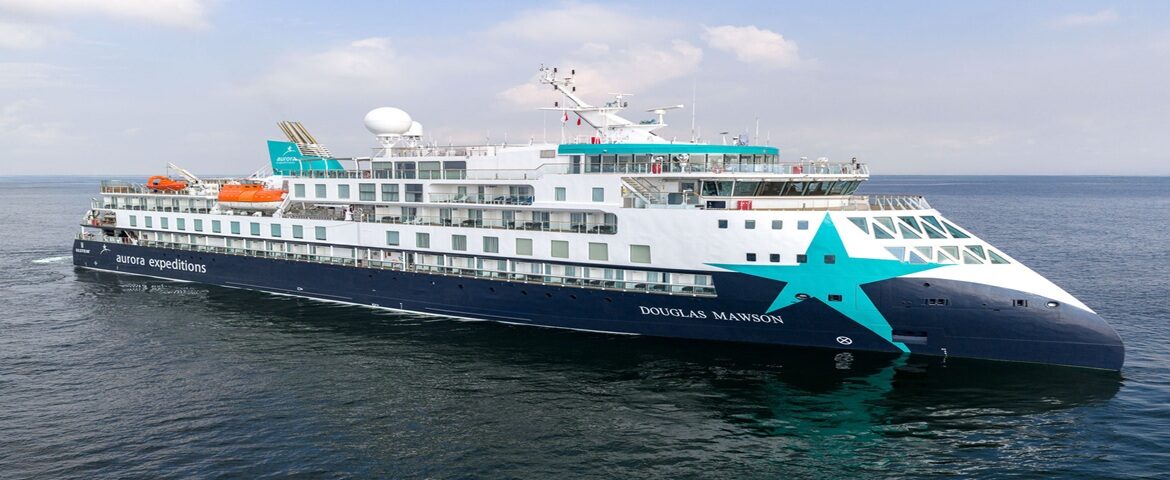
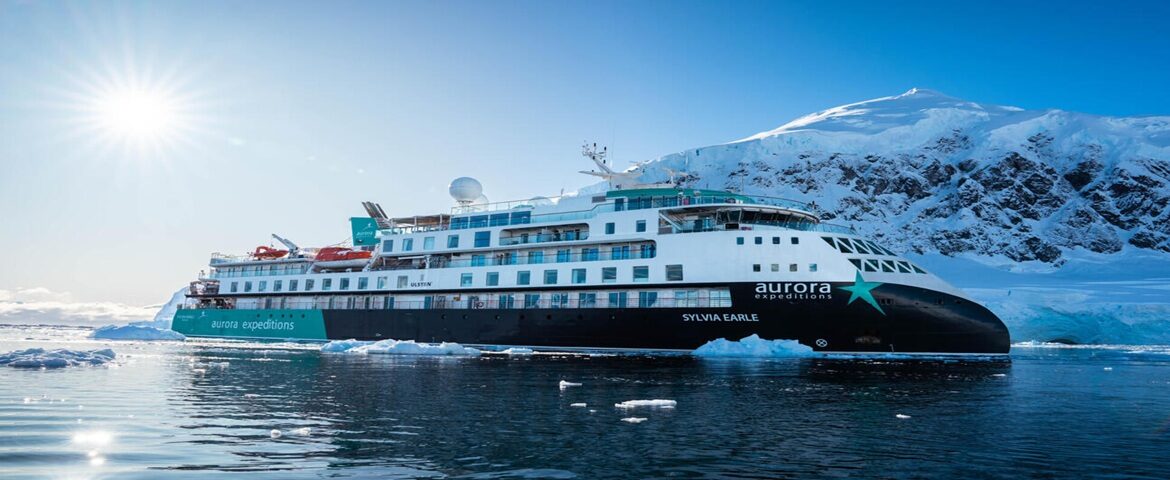
Aurora Expeditions (3 Cruises)

Westray, Orkney Islands | Cruise Port Guide
Frequently Asked Questions
At Rapness, the pier at the south of the island, normally used by the ferry linking Westray to Kirkwall in about 90 minutes. Expedition ships land passengers into a world of close-cropped pasture, drystone dykes and Atlantic-battered cliffs.
Only partly, because the distances deceive: the island stretches some fifteen kilometres and the main village, Pierowall, lies right at the north. Groups are met by island guides' minibuses. On foot, aim for Castle o' Burrian, under 2 kilometres away.
At Castle o' Burrian, a stack detached from the cliff less than 2 kilometres from the pier. From April to early August, hundreds of pairs nest in burrows on the grassy slopes, so close to the path that binoculars are almost unnecessary.
Castle o' Burrian for the puffins, then Pierowall and its heritage centre make a complete programme. Those who prefer landscape choose Noup Head at the north-west point, but that means giving up the village.
A Neolithic figurine a few centimetres tall, unearthed in 2009 at the nearby Links of Noltland and displayed at the Pierowall heritage centre. Around 5,000 years old, it is regarded as the earliest human representation found in Scotland.
The village wraps its houses around a crescent bay facing the clear waters of the sound. Besides the heritage centre and its figurine, the thick walls of Noltland Castle, an unfinished sixteenth-century fortress, are freely accessible at the edge of the village.
Cliffs 76 metres high topped by a white lighthouse, home in summer to Orkney's largest seabird colony: gannets, guillemots, kittiwakes and fulmars in their tens of thousands. The island's north-west point belongs entirely to wildlife.
Few, and deliberately so: here the island itself is the event. Six hundred residents, tens of thousands of seabirds, and lapwings, curlews and terns nesting metres from the fences in the fields beside the pier.
Sterling, with Scottish banknotes in circulation, and English. Island services are limited: bring cash and don't expect a cash machine on every corner.
Late April to early August, the window for puffins and the Noup Head colonies. Outside that period the cliffs empty and the island loses most of what justifies the call. The wind, for its part, never takes a day off.


