Alpena MI Michigan

115 Cruises availables At departure or passage at this port

Viking Ocean Cruises (115 Cruises)

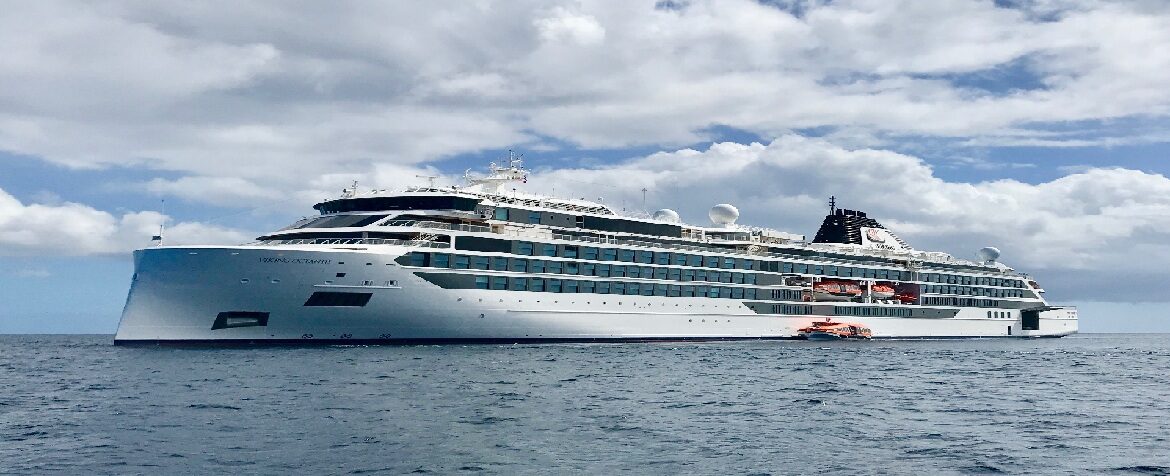
Viking Octantis.

Viking Octantis

634 Passengers
30150 tons
Visit the ship's page
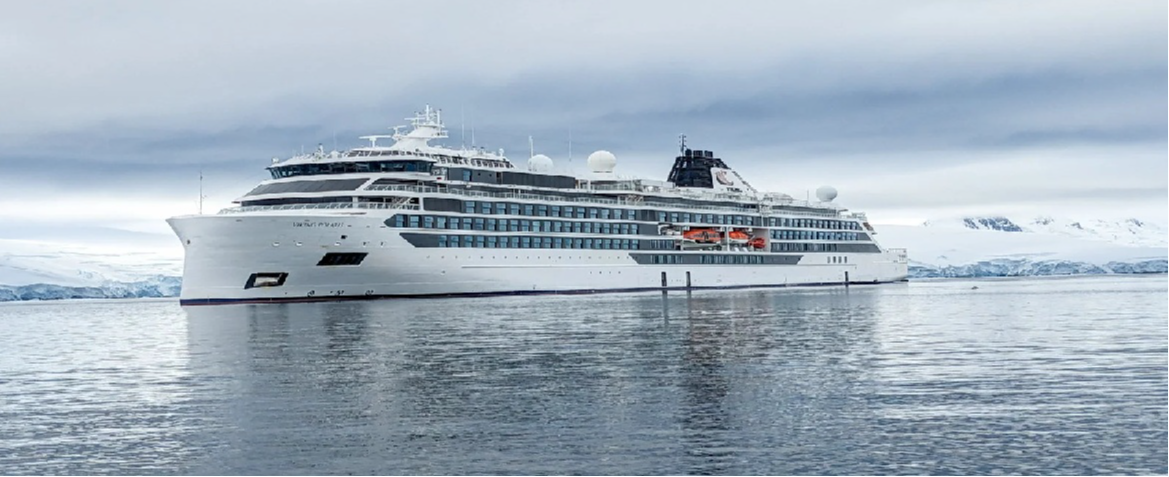
Viking Polaris.

Viking Polaris

634 Passengers
30150 tons
Visit the ship's page

Port of Alpena, Michigan | Cruise Port Guide

The main spectacle of Alpena is not seen from the deck: it rests beneath the surface of Lake Huron, at five, fifteen or sixty metres depth. Thunder Bay and its surroundings concentrate nearly two hundred wrecks—nineteenth-century schooners, steamships and cargo vessels trapped by fogs and shallows of a passage sailors called the wreck alley. The fresh, cold water preserves them as no sea knows how: masts standing, hulls intact, cargoes in place. This small Michigan town has built its port of call around this submerged museum.

A Sanctuary Unlike Any Other

The United States created here their first freshwater marine sanctuary, a protected area of several thousand square kilometres that documents and monitors these sites as others protect coral reefs. The initiative has transformed the region: divers come from across the continent, archaeologists on mission each summer, schools bringing their students to see history just below the surface. For the day passenger, it above all guarantees varied—and easy—ways to approach the wrecks.

The Great Lakes Maritime Heritage Centre

Minutes from the dock, this modern interpretation centre brings the submerged fleet to visitor height: full-scale replica of a Great Lakes schooner that you can tour from hold to deck, objects raised from the depths, accounts of storms and rescues, underwater films projected on large screens. You understand here why these lakes, which are "lakes" only in name, have engulfed so many vessels—and why they keep them so well.

Wrecks by Glass Bottom

The gentlest way to meet the wrecks remains the glass-bottomed vessel that plies the bay: leaning over the observation wells, you watch frames, anchors and boilers file past in surprisingly clear water, while the crew recounts each ship's final voyage. The more active prefer kayak or paddleboard above the shallow sites, where a few paddle strokes suffice to float two metres above a hull that has lain on its side for a century and a half. Buoys mark the main sites, and maps available at the interpretation centre let you compose your own route of discovery.

Second Avenue and the Ease of Small Towns

On shore, downtown aligns its brick façades along the river: cafés, bookshop, microbrewery, artisan shops and murals that brighten the gables. Alpena cultivates without hurry a Northern art of living—you greet strangers, you discuss weather and fishing—which offers pleasant relief from the urban legs. Waterfront trails lead to arranged islets where herons and ducks hold court.

Lighthouses and Shores

The surroundings count several historic lighthouses that marked the wreck alley, some accessible by excursion. The limestone shore, punctured with coves and backed by coniferous forests, reminds you that northern Michigan remains wild country: deer at the forest edge, raptors above the bay, and that particular silence of freshwater shores when the wind falls. In spring and autumn, bird migrations make the region a sought-after gathering place for ornithologists.

Resuming the open water, you think back on those crews whose ships sleep beneath the keel, so close and so peaceful. Alpena succeeds at a rare paradox: making a history of wrecks into a serene port of call, almost meditative. The lake guards its secrets within sight—it only took a town to teach us to read them.

Frequently Asked Questions

Great Lakes ships call at Alpena in Thunder Bay, on the north-east shore of Lake Huron. Depending on the vessel, they tie up at the municipal dock or tender in: downtown and the heritage centre are both walkable.
Shipwrecks. Thunder Bay and its approaches hold nearly two hundred wrecks, 19th-century schooners, steamers and freighters caught by the fog and shoals of a passage sailors called Shipwreck Alley.
Because cold fresh water preserves them as no sea can: masts standing, hulls intact, cargo still in place. Some lie in five metres of water, others in sixty.
The first freshwater marine sanctuary in the United States, a protected area of several thousand square kilometres that documents and monitors these sites the way others protect coral reefs.
No. Glass-bottom boat tours show several shallow wrecks without getting wet, and the waterfront heritage centre tells the rest. Diving stays reserved for certified divers.
The Great Lakes Maritime Heritage Center, a glass-bottom boat trip over the nearby wrecks, then downtown and the waterfront. A full programme without rushing.
The US dollar, cards accepted everywhere. Sales tax is added at the register and tipping is expected American-style.
English. French is not spoken locally, despite the French names scattered across the Great Lakes region.
Very much so. Wrecks seen through a glass bottom and the heritage centre's exhibits hold children's attention, and the town is easy to walk.
May through October, the Great Lakes sailing season. The water is clearest in early summer; late in the season, wind off Lake Huron can cancel boat trips.