Amelia Island Florida Fernandina Beach
628
Cruises availables
At departure or passage at this port
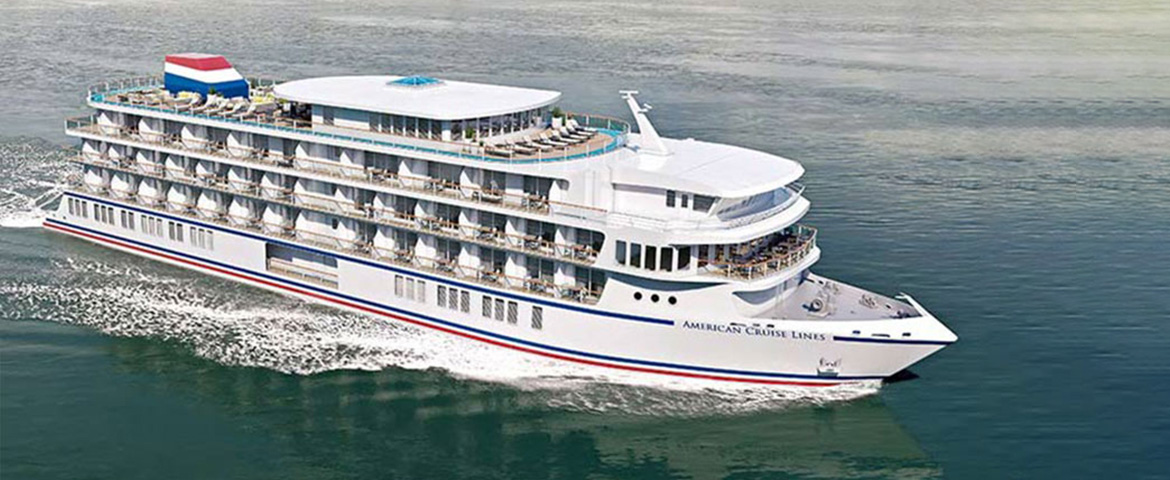
American Cruise Lines (628 Cruises)
American Eagle
158 Cruises
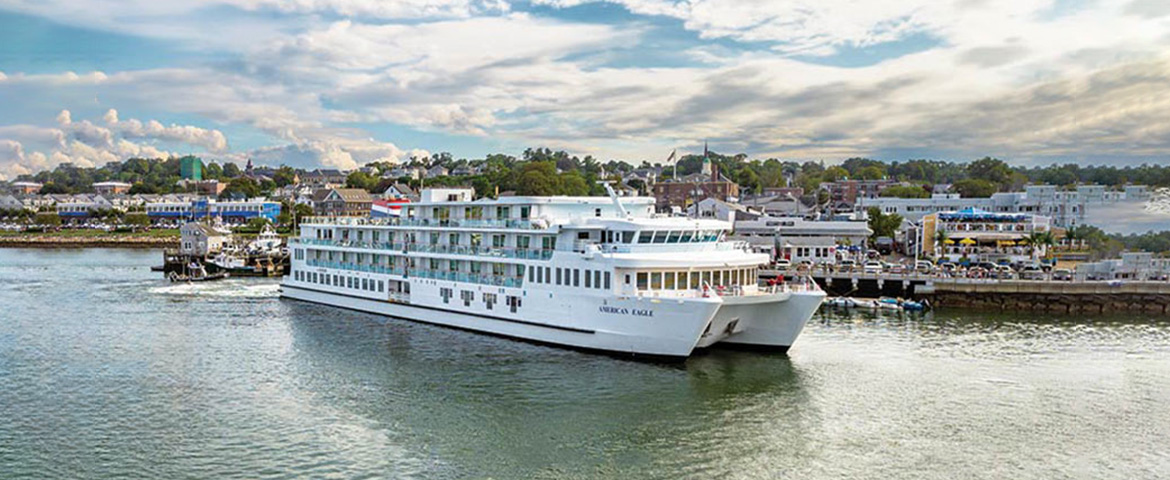

| 28 January | 9 days | One-way from Charleston SC to Amelia Island Florida |
450-628-6241
Call us
|
| 29 January | 6 days | One-way from Charleston SC to Amelia Island Florida |
450-628-6241
Call us
|
| 27 January | 9 days | One-way from Charleston SC to Amelia Island Florida |
450-628-6241
Call us
|
| 28 January | 6 days | One-way from Charleston SC to Amelia Island Florida |
450-628-6241
Call us
|
American Glory
122 Cruises
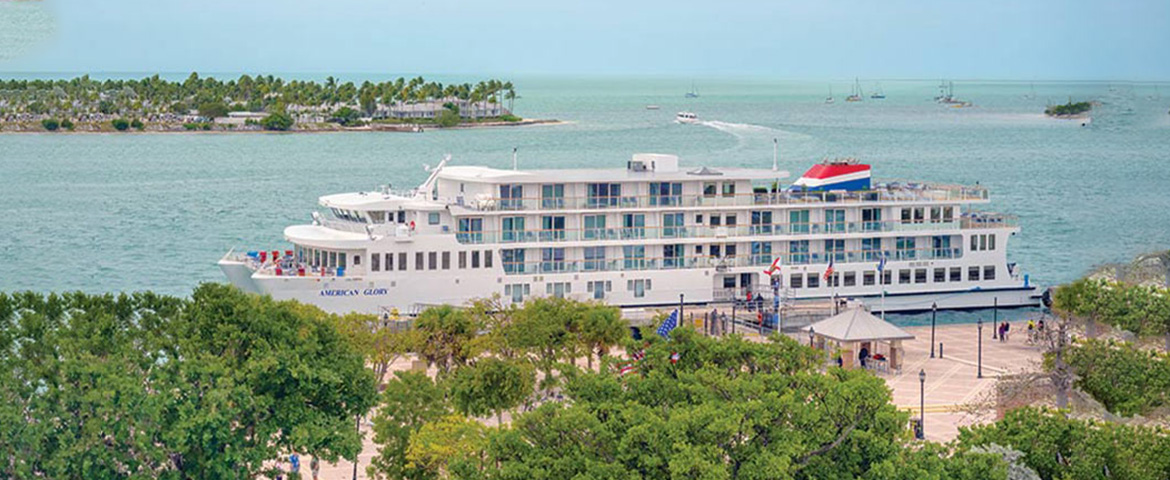
| 25 October | 16 days | One-way from Baltimore to Amelia Island Florida |
450-628-6241
Call us
|
| 26 October | 13 days | One-way from Baltimore to Amelia Island Florida |
450-628-6241
Call us
|
American Legend
94 Cruises
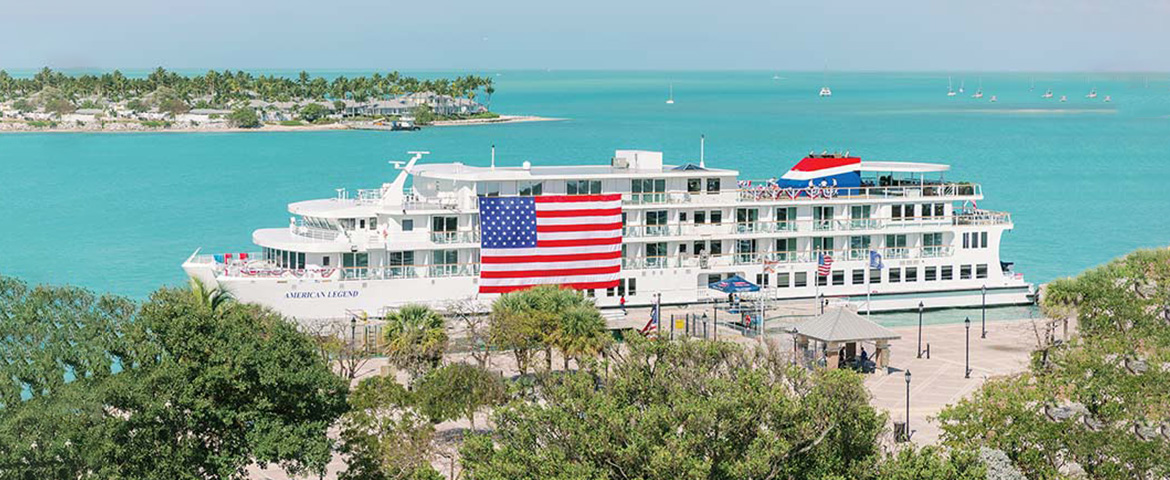
| 27 January | 9 days | One-way from Amelia Island Florida to Charleston SC |
450-628-6241
Call us
|
| 28 January | 6 days | One-way from Amelia Island Florida to Charleston SC |
450-628-6241
Call us
|
| 23 February | 9 days | One-way from Amelia Island Florida to Charleston SC |
450-628-6241
Call us
|
| 24 February | 6 days | One-way from Amelia Island Florida to Charleston SC |
450-628-6241
Call us
|
American Liberty
248 Cruises
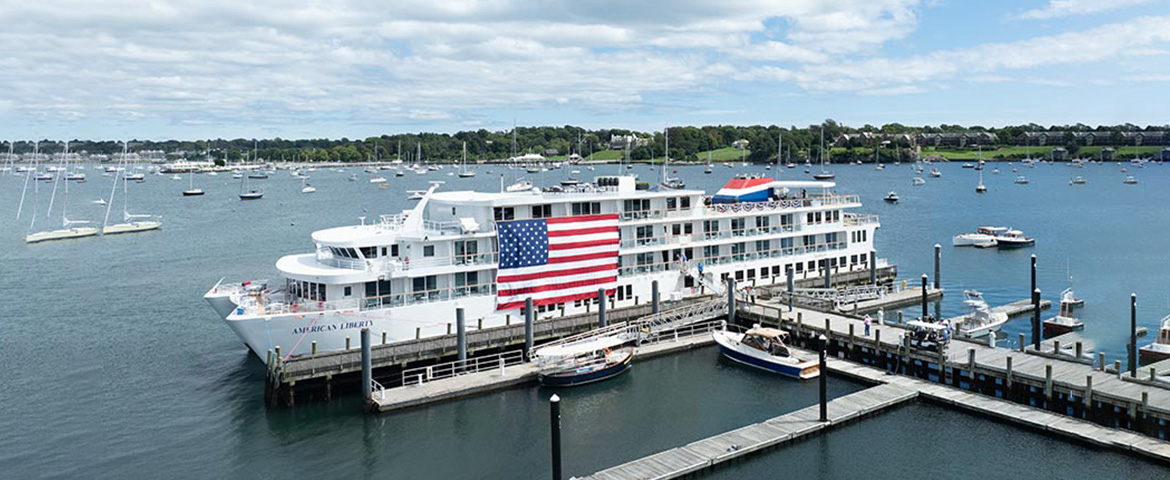
| 11 February | 9 days | Round-trip from Jacksonville, USA |
450-628-6241
Call us
|
| 12 February | 6 days | Round-trip 8 Night Great Rivers of Florida Cruise and Land Tour |
450-628-6241
Call us
|
| 27 January | 9 days | Round-trip from Jacksonville, USA |
450-628-6241
Call us
|
| 28 January | 6 days | Round-trip 8 Night Great Rivers of Florida Cruise and Land Tour |
450-628-6241
Call us
|
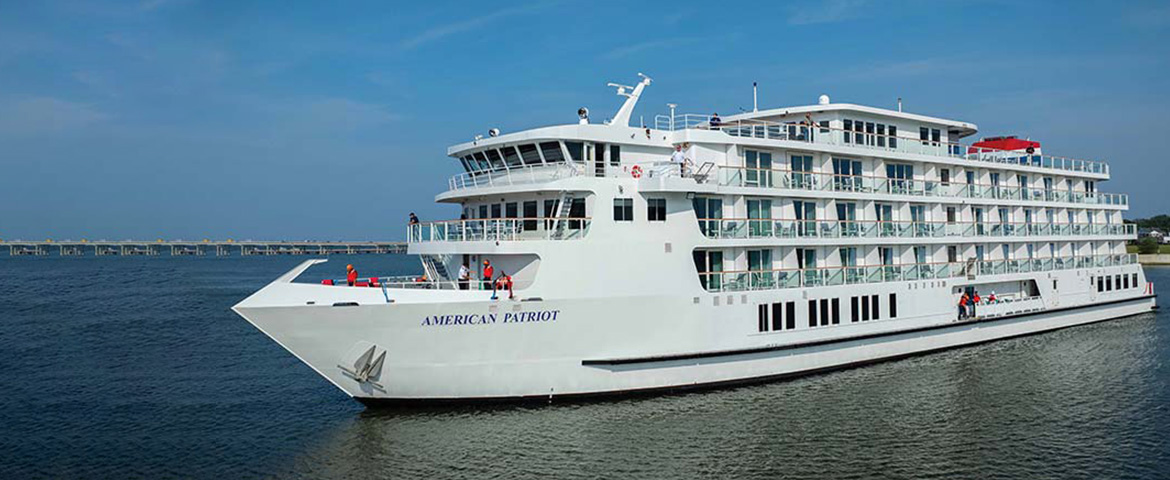

Amelia Island, Florida | Cruise Port Guide
Frequently Asked Questions
At the Fernandina Beach marina, right at the foot of the historic quarter. Only smaller ships call here: you step ashore and two streets later you are in the middle of local life.
Yes for Fernandina Beach: Centre Street runs down to the water and the historic district is entirely walkable. For the Atlantic beach or the fort, expect a short taxi or bike ride.
Centre Street with its Victorian rooflines, the history museum housed in a former jail, then the shrimp boat dock. There is still time for Fort Clinch State Park or an hour on the beach.
Because eight flags really have flown over the island, from the French colours of 1562 to the Stars and Stripes, by way of Spain, Britain and a few passing adventurers. The island was the last deep-water anchorage before the old Spanish border.
At the north-east tip of Florida, directly facing Georgia across a sound. It is the first of Florida's coastal islands as you come down from the north.
Yes, on the Atlantic side, a few minutes' drive from the historic centre. The sand is wide and packed, firm enough in places to ride a bike on.
The US dollar, cards accepted everywhere. Sales tax is added at the register and restaurant tipping is expected American-style.
English. French is not spoken locally, despite the French flag of 1562 in the island's history.
Very much so. The centre is flat and compact, the shrimp boats interest children, and the state park fort is staffed by interpreters in period dress.
October through April, when heat and humidity stay mild. From June to November, hurricane season can disrupt calls in north Florida.


