Biloxi MS Ocean Springs, Mississippi

92 Cruises availables At departure or passage at this port

American Cruise Lines (92 Cruises)

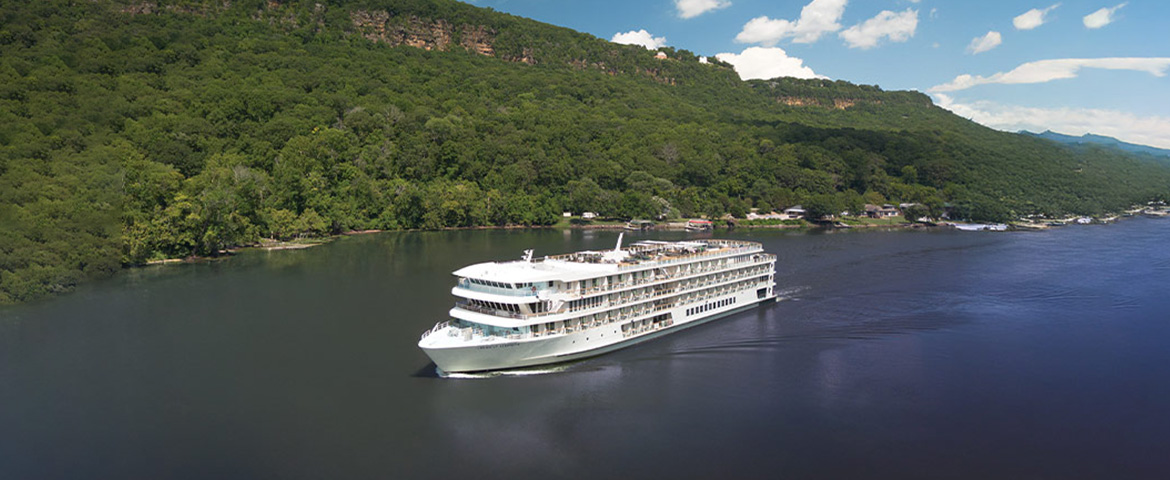
American Symphony

Visit the ship's page

A lighthouse planted in the middle of a four-lane road: that sets the tone. Since 1848, Biloxi's white tower has kept watch over the Gulf of Mexico, and when the city rebuilt the coastal road around it, no one thought to move it. It is today, the residents proudly remind you, the only lighthouse in the United States in such a position, and the symbol of a Mississippi city that has always lived alongside the sea, the storms and the passage of time.

A Port-Call at Human Scale

The ships calling here are small units, typical of the coastal routes of the gulf between Florida and New Orleans; some land their passengers on the Ocean Springs side, just across the bay bridge. The waterfront is easily toured: a long beach of clear sand borders the boulevard, wide enough for everyone to find their quiet corner, dotted with jetties where fishers cast their lines from morning on. The air smells of salt and fried shrimp, and you quickly understand that everything in this city leads back to seafood. A few casinos set at the water's edge add their garish façades to the décor, reminding you the resort also lives by its gaming tables.

Three Hundred Years of Maritime History

The Maritime and Seafood Industry Museum tells this long story of salt water: shrimp and oyster fishing, shipbuilding, hurricanes that have several times redrawn the coast. You admire there the Nydia, a cruising sloop rigged in 1898 in the local yards, surrounded by nets, marine forge tools and models that revive the golden age of the canneries. The museum also maintains the memory of Biloxi's schooners, those working sailing vessels whose replicas still raise canvas from the schooner dock on the waterfront.

The Lighthouse and Its Stairs

Back to the lighthouse: its white cast-iron silhouette can be visited, and the narrow spiral staircase leads to a clear view over the bay and the barrier islands that close the horizon. The tower has survived every hurricane for a century and a half, earning it particular affection among residents; it figures on the city's emblems, and everyone here has a story to tell about it.

Art by the Shore

A few steps from the waterfront, the Ohr-O'Keeffe art museum honours George Ohr, a potter native to Biloxi whose ceramics in twisted forms and unexpected glazes made him a precursor. The museum's pavilions, set among live oaks draped in Spanish moss, compose one of the most surprising architectural ensembles on the Mississippi coast. It is the kind of detour you make out of curiosity and from which you leave won over.

The Taste of the Coast

It remains to take a table. Gulf shrimp, oysters, generous po'boys: the waterfront restaurants serve a straightforward coastal cuisine, inherited from fishing families from Europe and elsewhere who built the city. A dish of the day facing the bay, ordered without ceremony, is the simplest way to grasp the place's soul; the regulars will readily point you to their preferred address.

Leaving the Bay

On departure, the white tower shrinks in your wake and the schooners head back to their dock. Biloxi does not seek to dazzle; it recounts, with constancy, a life turned toward the sea for three centuries, between nets, storms and new beginnings. You depart with the smell of salt, a memory of tormented ceramic and the sense that a modest port-call can nourish conversation long after.

Frequently Asked Questions

The ships that call here are small vessels, typical of Gulf coastal itineraries between Florida and New Orleans. Some land passengers over at Ocean Springs, just across the bay bridge.
Because nobody thought to move it when the city rebuilt the coastal highway around it. The white tower has watched over the Gulf of Mexico since 1848, and it is now the only lighthouse in the United States in such a position.
The lighthouse, the waterfront and its long beach, then the piers where anglers cast from first light. The waterfront museums tell the story of oyster fishing and of the storms.
Yes. A long pale-sand beach lines the boulevard, wide enough for everyone to find a quiet corner. Gulf water is warm all summer but often cloudy: this is not Caribbean clarity.
The waterfront walks easily along the boulevard. For the casinos, the farther museums or Ocean Springs, a taxi becomes necessary: the city stretches for kilometres.
Yes, several, set along the shore. They are a major part of the local economy, but you can spend a whole call without going through the door.
The US dollar, cards accepted everywhere. Sales tax is added at the register and tipping is expected American-style.
Yes for the beach and the piers. Two caveats: summer heat is crushing, and casinos are closed to minors, which limits rainy-day options.
Yes, the city has always dealt with the sea, the storms and the passing of time. From June to November, a hurricane in the Gulf can force an itinerary change and the line will divert the call.
October through May, once the heat drops and hurricane season has passed. Spring is particularly pleasant on the Mississippi coast.