Darrow LA Louisiana
97
Cruises availables
At departure or passage at this port
Viking River Cruises (97 Cruises)
Viking Mississippi
97 Cruises
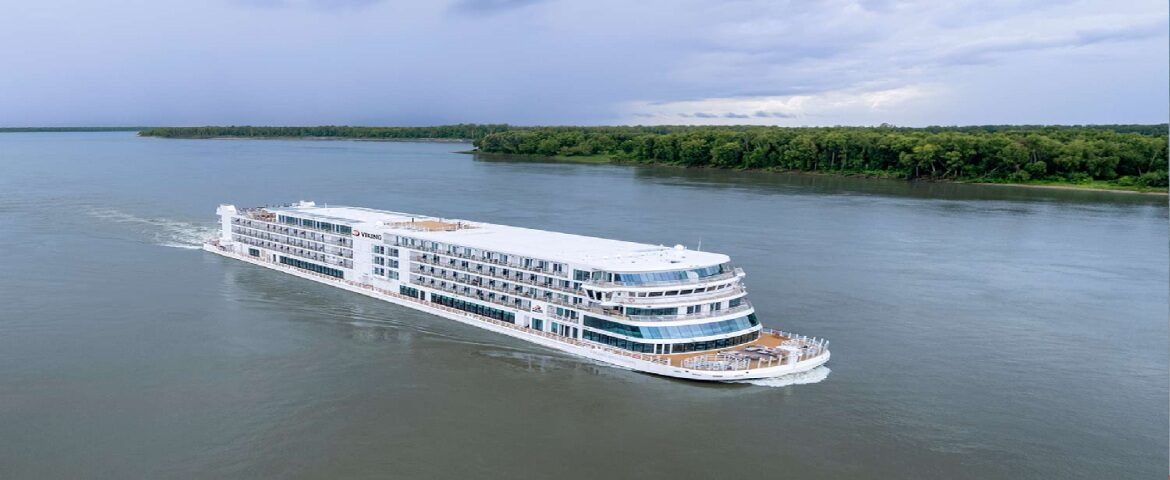

| 17 October | 11 days | One-way from New Orleans to Memphis TN |
450-628-6241
Call us
|
| 18 October | 8 days | One-way from New Orleans to Memphis TN |
450-628-6241
Call us
|
| 6 July | 15 days | One-way from New Orleans to Alton IL |
450-628-6241
Call us
|
| 6 July | 22 days | One-way from New Orleans to Minneapolis-Saint Paul |
450-628-6241
Call us
|
| 10 August | 15 days | One-way from New Orleans to Alton IL |
450-628-6241
Call us
|
| 10 August | 22 days | One-way from New Orleans to Minneapolis-Saint Paul |
450-628-6241
Call us
|
| 11 July | 15 days | One-way from New Orleans to Alton IL |
450-628-6241
Call us
|
| 11 July | 22 days | One-way from New Orleans to Minneapolis-Saint Paul |
450-628-6241
Call us
|
| 15 August | 15 days | One-way from New Orleans to Alton IL |
450-628-6241
Call us
|
| 15 August | 22 days | One-way from New Orleans to Minneapolis-Saint Paul |
450-628-6241
Call us
|
| 17 October | 8 days | One-way from New Orleans to Memphis TN |
450-628-6241
Call us
|
| 24 October | 8 days | One-way from Memphis TN to New Orleans |
450-628-6241
Call us
|
Frequently Asked Questions
Against a grassy earthen levee on the Mississippi, somewhere between New Orleans and Baton Rouge. There's no town to explore and no busy terminal: you cross the levee and you're there.
For one specific reason: Houmas House, known in the nineteenth century as the Sugar Palace. It's the sole destination of the call, a few minutes' walk from the gangway.
Only a few minutes. You climb the levee, come down the other side, and the white columns appear behind branches draped in Spanish moss. No coach and no long drive.
An 1840s mansion showing Greek Revival architecture at its peak: colonnaded galleries on two levels, worked mouldings, a spiral staircase. The fortune came from sugarcane, grown across thousands of hectares along the river.
Yes. The narrative doesn't hide the other side: this prosperity rested on the labour of enslaved people, whose memory is now part of the visit.
Vast and carefully replanted: lily-covered ponds, statues tucked into the beds, live oaks with branches touching the ground. Azaleas and camellias bloom by season.
River lines such as Viking and American Cruise Lines, which run the visit as a loop from the riverbank. The whole call is built around the estate.
Louisiana cooking: gumbo, crawfish, cornbread, depending on the day's menu. The estate has several dining rooms, and a glass of iced tea on the gallery sums up the local art of living.
US dollars and English. Service is in English despite Louisiana's French place names. Cards are accepted at the estate.
Fall, winter and spring. Louisiana summers are stifling and very humid, and hurricane season runs June through November. Spring brings the gardens into flower.


