Dover TN Tennessee

24 Cruises availables At departure or passage at this port

American Cruise Lines (24 Cruises)

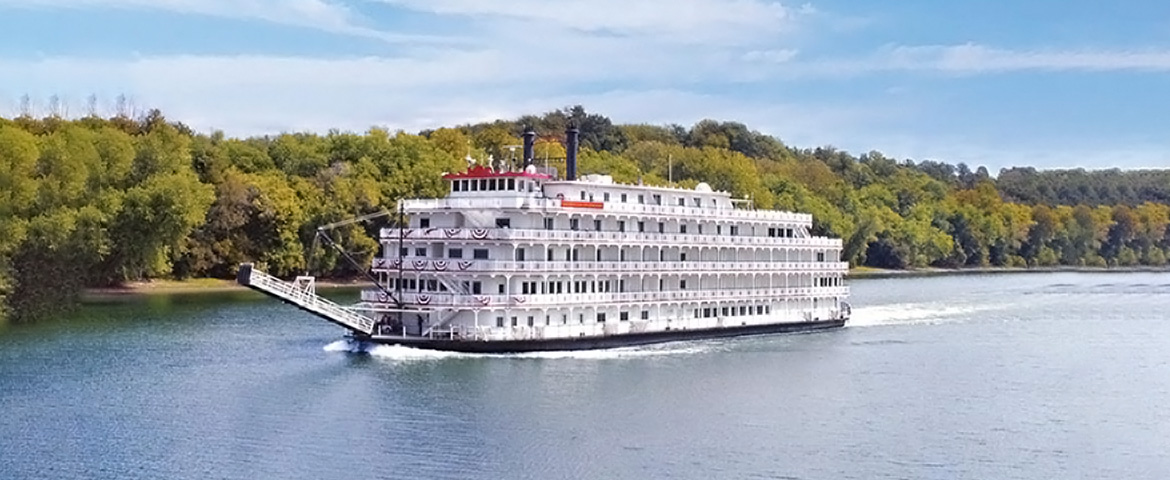
A lazy curve of the Cumberland River, a bank planted with maples, a steeple rising above the trees: Dover resembles a thousand other towns in Tennessee. Yet in February 1862, the fate of the American Civil War tilted on the neighbouring bluff. River boats moor at Dover Landing ramp, at the town's foot, and shuttles await passengers for a plunge into one of the decisive chapters of American history.

An Old Paddle-Steamer Crossroads

Before the cannons came commerce. Around 1850, the small city had risen to the rank of the Cumberland's second-largest steamboat landing: tobacco, iron and flour transited through its warehouses. The great paddle-wheelers of today, which revive this navigation of old, continue a legacy the residents happily recall. The centre, barely a few streets, can be walked in a short stroll: courthouse, brick storefronts, a café serving well-sweetened iced tea, Southern style.

Fort Donelson, the Turning Point of 1862

A few minutes by coach, Fort Donelson National Battlefield occupies the height commanding the river. Here an as-yet-unknown general, Ulysses S. Grant, demanded "unconditional surrender"—the phrase made his legend and opened the Deep South to Union forces. The visitor centre screens a short film situating the events, then the circuit leads to the original earthworks, remarkably well preserved, and the batteries overlooking the water. Facing the current, you instinctively understand why Northern gunboats suffered under this plunging fire. The victory delivered to the Union nearly 13,000 prisoners and opened to it at once two strategic rivers, the Cumberland and the Tennessee—a reversal from which the South never quite recovered.

The Surrender House and the National Cemetery

Below, the old Dover Hotel, a sober wooden building facing the river, is the very place where the capitulation was signed. The restored rooms can be imagined as they were on that winter morning in 1862. Nearby, the national cemetery lines its white stones beneath the oaks; the silence there is that of all great places of memory, and many travellers admit it is the image they carry away.

Generous Nature Between Two Lakes

The town lives not only on military memories. The Cross Creeks National Wildlife Refuge, more than 3,200 hectares of marsh and water, borders the town; depending on season, geese, ducks and herons gather by the thousands; in winter, bald eagles come to fish in the coves. A little further west stretches Land Between the Lakes, a vast recreation area wedged between two reservoir lakes, realm of deer and raptors. Those keen on bird-watching do well to slip binoculars into their bag that day.

What You Should Know

  • Mooring at Dover Landing ramp; shuttles provided to Fort Donelson and the centre.
  • Battlefield, surrender house and cemetery: free entry, tour by coach or on foot.
  • The park visitor pavilion distributes maps and pamphlets; guides and trails are well marked.
  • Bring good shoes: the earthworks are walked on grassy paths.
  • The town centre amounts to a few streets; everything is within walking distance of the landing.

As you depart, when the paddle-wheeler pulls from the bank, Fort Donelson's bluff slowly glides behind the vegetation. You think again of those few winter days that changed a nation—and you find yourself looking at this quiet river with different eyes.

Frequently Asked Questions

At the Dover Landing ramp, at the foot of town, on the Cumberland River. Shuttles wait for passengers to take them up to Fort Donelson National Battlefield.
The Fort Donelson loop: visitor centre and orientation film, earthworks and batteries commanding the water, the surrender house and the national cemetery. The town centre, just a few streets, rounds out the morning.
The site of a turning point in the Civil War, in February 1862. Here a then-unknown general, Ulysses S. Grant, demanded unconditional surrender — the phrase made his name and opened the Deep South to Union forces.
Because the victory handed the Union nearly 13,000 prisoners and opened two strategic rivers at once, the Cumberland and the Tennessee. The South never fully recovered.
The former Dover Hotel, a plain wooden building facing the river, where the capitulation was signed in February 1862. The restored rooms can be pictured just as they were that winter morning.
No. The battlefield, the surrender house and the national cemetery are free, and the park visitor centre hands out maps and brochures. The loop is done by coach or on foot.
A busy trading port. By around 1850 the small town ranked as the second steamboat landing on the entire Cumberland: tobacco, iron and flour moved through its warehouses.
Yes. Cross Creeks National Wildlife Refuge, more than 3,200 hectares of marsh and open water, borders the town. Geese, ducks and herons gather there by the thousand in season, and in winter bald eagles fish the coves.
A vast recreation area wedged between two reservoirs a little west of Dover, kingdom of deer and raptors. Some excursions go there.
Good shoes: the earthworks are covered on grassy trails. Binoculars help at the refuge. US dollars and English apply, and everything in town is within walking distance of the landing.