Long Island New York Sag Harbor, Port Jefferson

48 Cruises availables At departure or passage at this port

American Cruise Lines (48 Cruises)

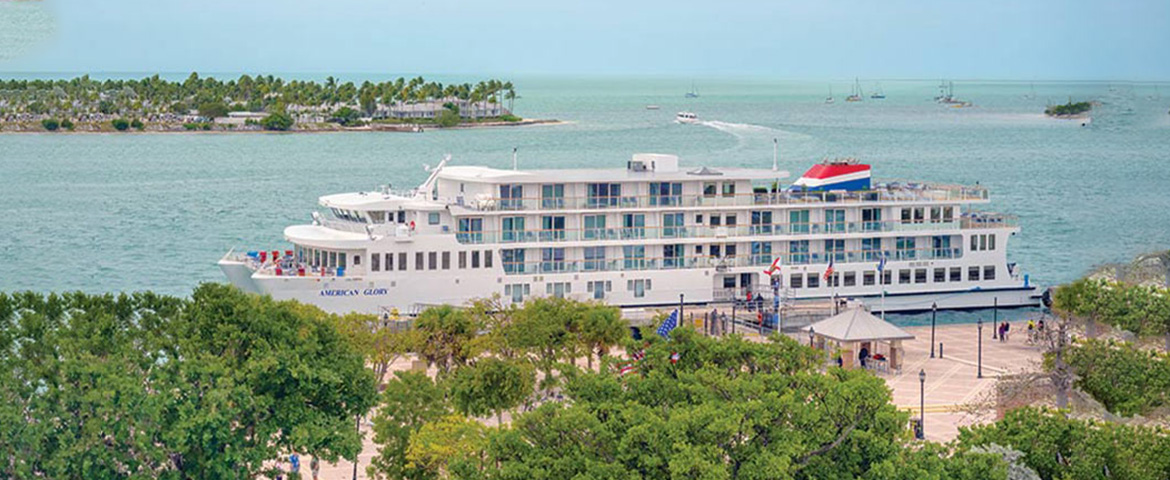
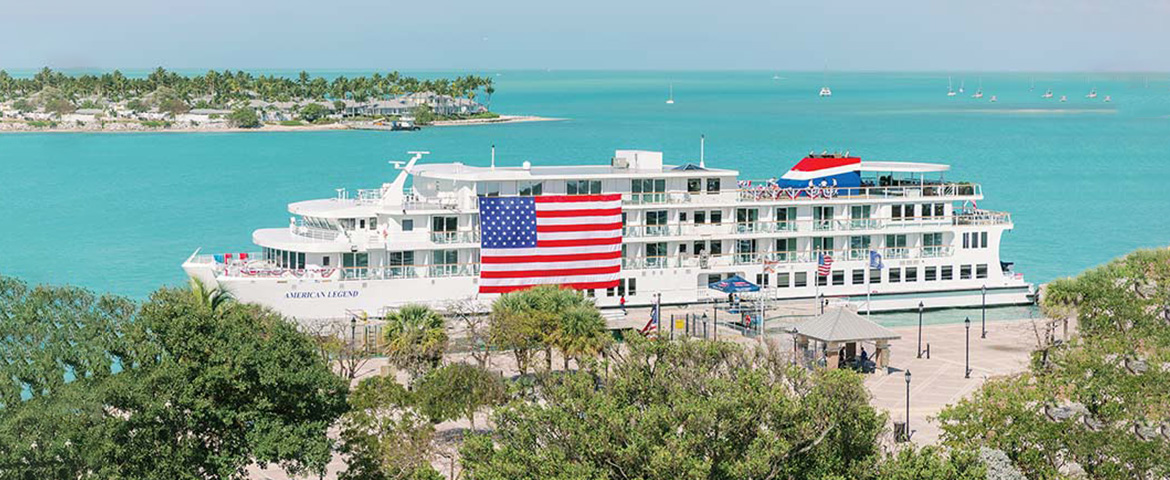
American Legend

Visit the ship's page

Long Island, New York | Cruise Port Guide

The tender glides across calm water, between sailboats at anchor, toward a long wooden pier set in the heart of an affluent village. Welcome to Sag Harbor, one of the two ports of call that coastal cruise ships devote to the island, along with Port Jefferson on the north shore. Two former maritime towns, two atmospheres that are similar yet distinct, united by one island stretching its beaches and harbours between Manhattan and the Atlantic.

Sag Harbor, the Gold of the Whales

Walking past the elegant shops of Main Street, it's hard to imagine that this peaceful town was one of the great whaling centres of the Atlantic. In the 19th century, its ships roamed the Pacific for years before bringing back oil and baleen; the prosperity of that era can still be read in the captains' houses with their fine colonnades. Sag Harbor was also among the very first official ports of entry of the young American nation, a distinction residents remain proud of.

The Whaling Museum

Housed in a Greek Revival mansion with a portico, the Whaling and Historical Museum holds the largest collection of whaling equipment in New York State. Harpoons lined up along the walls, try-pots for rendering blubber, flensing knives, whale vertebrae and, above all, a remarkable collection of scrimshaw, sperm whale teeth patiently engraved by sailors during long voyages. Each object evokes a harsh trade, carried on from a village that today seems so tranquil.

Strolling Through the Village

The rest of the port call is enjoyed on foot: an independent bookstore, galleries, cafés and marina docks follow one another over a few hundred metres. The old cinema with its retro neon sign serves as a landmark in the centre of the village. From the long pier, the view opens onto the bay and its weekend regattas. The nearby Hamptons have brought their refined boutiques, but the maritime soul holds firm, anchored in the street names and the foundations of the old houses.

Port Jefferson, Heir to the Shipyards

On the north shore, facing the Sound, Port Jefferson tells another chapter of the sea. In the 19th century, its shipyards launched schooners and coasters by the dozen; shipwrights and shipowners built fine homes in town, several of which survive. The Mather House, a shipbuilder's home turned local museum, brings this past of workshops and sails back to life. The centre, clustered around its harbour, lines up seafood restaurants, shops and ice cream parlours; ferries to Connecticut come and go from the harbour in a steady ballet that livens up the promenade.

Tips for Your Visit

  • Off the first of the two villages, ships anchor in the roadstead; the tender drops passengers near Long Wharf, at the foot of Main Street.
  • Everything is done on foot in both places; no motorized excursion is essential.
  • The whaling museum is a few minutes' walk from the pier; allow about an hour for your visit.
  • Save time for an ice cream or a coffee on a patio: watching the comings and goings in the harbour is part of the experience.

Between Beaches and Vineyards

Depending on the itinerary, some excursions venture beyond the villages: sandy beaches on the Atlantic coast, North Fork vegetable farms or the wineries that have recently built the region's reputation. These outings add a country dimension to port calls that are otherwise entirely maritime.

The Island Between Two Waters

These two stops reveal a Long Island far from beach-resort clichés: an island of sailors, shipyards and trading posts that has traded harpoons for dinghies without disowning its past. Taking the tender back to the ship, you carry away images of white verandas, swaying masts and streets where maritime history surfaces beneath the shop windows. The Sound then opens up, and the island returns to its bays, awaiting the next curious visitors.

Frequently Asked Questions

At one of two villages, depending on the itinerary: Sag Harbor to the east, or Port Jefferson on the north shore. At Sag Harbor, ships anchor in the roadstead and the tender lands passengers near Long Wharf, at the foot of Main Street.
Yes, both of them. No motorized excursion is essential: each village covers a few hundred metres of shops, galleries, cafes and marina docks.
Allow about an hour for the Whaling and Historical Museum, a few minutes' walk from the dock, then wander Main Street: independent bookshop, galleries, the old cinema with its retro neon. Finish with an ice cream or a coffee on a terrace facing the bay.
Because it was one of the Atlantic's great whaling centres in the 19th century. Its ships worked the Pacific for years before returning with oil and baleen, and that prosperity still shows in the captains' houses with their careful colonnades.
The largest collection of whaling equipment in New York State, housed in a Greek Revival portico house: harpoons, try-pots for rendering blubber, flensing knives, whale vertebrae and a remarkable collection of scrimshaw, sperm whale teeth engraved by sailors on long voyages.
Its shipbuilding past. In the 19th century, Port Jefferson launched schooners and coasters by the dozen. The Mather House, a shipbuilder's home turned local museum, brings back that world of workshops and sail. The centre moves to the rhythm of the Connecticut ferries.
Yes. The harpoons and scrimshaw at the whaling museum hold attention, the Port Jefferson ice cream parlours do the rest, and the ferries entering the harbour provide a free, regular show. Everything is walkable, with no difficult terrain.
Depending on the itinerary, yes. Some excursions push beyond the villages to the market farms of the North Fork or the wineries behind the region's recent reputation. These outings add a rural dimension to otherwise thoroughly maritime calls.
You are already there, in a sense. Sag Harbor borders the Hamptons and has borrowed their refined shops, but its maritime soul holds, anchored in the street names and the foundations of the old houses. Do not expect a beach resort: this is a sailors' village turned smart.
Late spring to early autumn, when American coastal ships are running and weekend regattas fill the bay. The US dollar is the currency and cards are accepted everywhere.