Muscatine IA Iowa
76
Cruises availables
At departure or passage at this port
American Cruise Lines (76 Cruises)
American Melody
36 Cruises
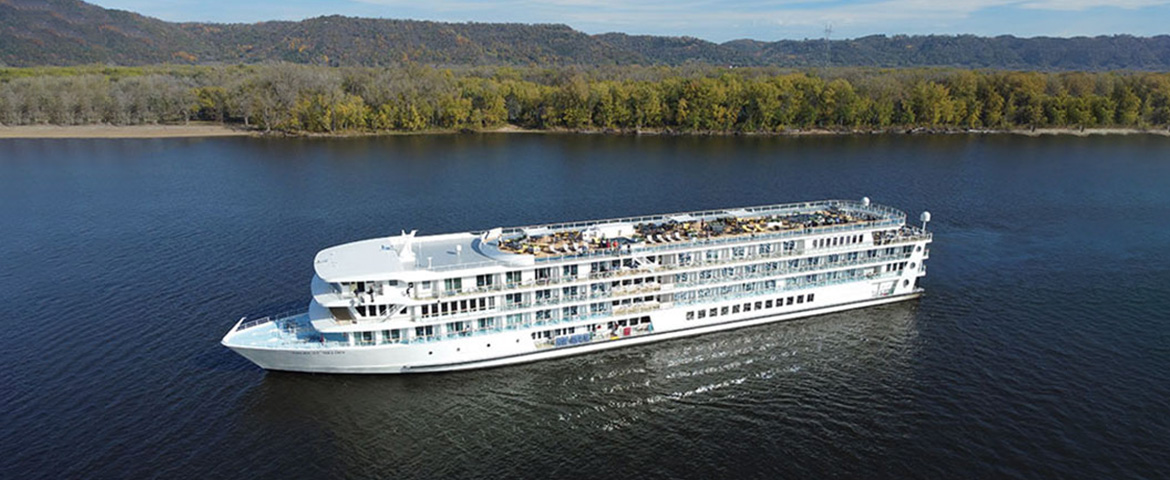

| 4 June | 23 days | One-way from New Orleans to Minneapolis-Saint Paul |
450-628-6241
Call us
|
| 5 June | 21 days | One-way from New Orleans to Minneapolis-Saint Paul |
450-628-6241
Call us
|
| 30 July | 9 days | One-way from St Louis MO to Minneapolis-Saint Paul |
450-628-6241
Call us
|
| 31 July | 7 days | One-way from St Louis MO to Minneapolis-Saint Paul |
450-628-6241
Call us
|
| 8 June | 23 days | One-way from New Orleans to Minneapolis-Saint Paul |
450-628-6241
Call us
|
| 9 June | 21 days | One-way from New Orleans to Minneapolis-Saint Paul |
450-628-6241
Call us
|
American Serenade
34 Cruises
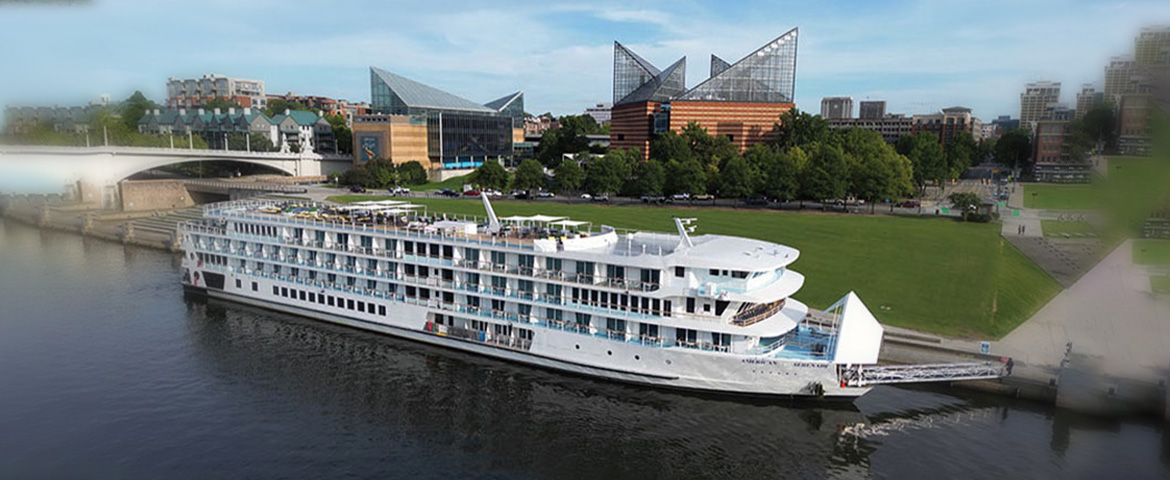
| 11 June | 23 days | One-way from New Orleans to Minneapolis-Saint Paul |
450-628-6241
Call us
|
| 12 June | 21 days | One-way from New Orleans to Minneapolis-Saint Paul |
450-628-6241
Call us
|
| 9 June | 23 days | One-way from New Orleans to Minneapolis-Saint Paul |
450-628-6241
Call us
|
| 10 June | 21 days | One-way from New Orleans to Minneapolis-Saint Paul |
450-628-6241
Call us
|
| 15 June | 23 days | One-way from New Orleans to Minneapolis-Saint Paul |
450-628-6241
Call us
|
| 16 June | 21 days | One-way from New Orleans to Minneapolis-Saint Paul |
450-628-6241
Call us
|
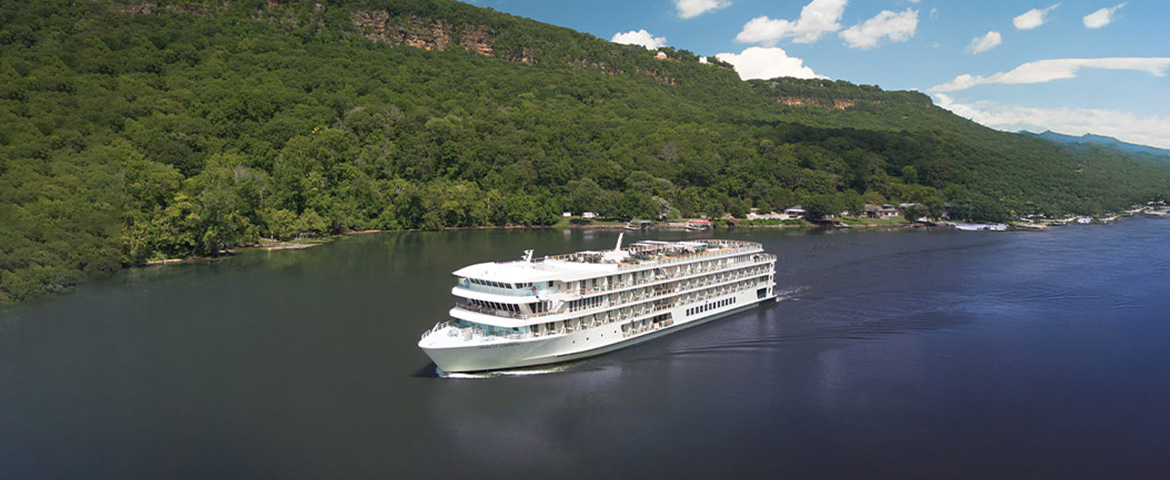

Muscatine, Iowa | Cruise Port Guide
Frequently Asked Questions
Right at the Riverfront, the landscaped walkway along the Mississippi, barely two blocks from downtown. No shuttle is needed: the town centre begins where the gangway ends.
Yes, entirely. The gently sloping downtown streets, with their nineteenth-century brick facades, cafés and antique shops, are a few minutes from the landing. The button museum and the art centre are also within walking distance.
Start with the National Pearl Button Museum, about an hour, then the Muscatine Art Center a few streets away, some browsing downtown and the riverside walk to the park. If your boat leaves in the evening, stay for sunset at the Riverfront overlook.
Because in the early twentieth century the town produced more than one and a half billion buttons a year from Mississippi freshwater mussels, supplying a sizeable share of the world. The free pearl button museum follows the whole chain, from the mussel fishers to the women who sewed buttons onto cards.
No, the National Pearl Button Museum is free. Period machinery and photographs are explained by volunteers who readily add their own family memories.
It died out. Overfishing exhausted the mussel beds, then plastic finished the trade off. The river took decades to recover its molluscs, now closely monitored by biologists. The museum tells this side of the story without softening it.
He worked briefly at the local newspaper in the 1850s and wrote that Muscatine's sunsets were among the finest he had seen. The Mississippi makes one of its rare east-west bends here, which turns the town to face the setting sun.
The US dollar. Cards work in downtown shops and restaurants, but keep some cash for the antique dealers and smaller counters.
The upper Mississippi cruising season runs from spring to autumn. Summer is hot and humid, autumn milder and brighter, and it is also the best season for sunsets over the river.
Yes, for a quiet call. The button museum, with its machines and shells, intrigues children, and the riverside walk to the park is good for watching grain barges and anglers. There are, however, no organized activities for them.


