Nantucket MA Massachusetts

166 Cruises availables At departure or passage at this port

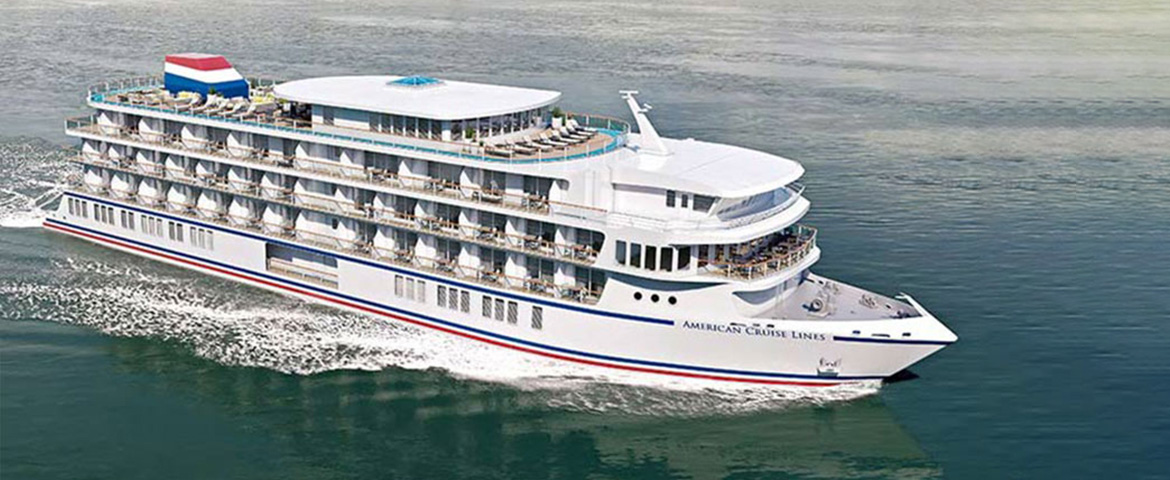
American Cruise Lines (166 Cruises)

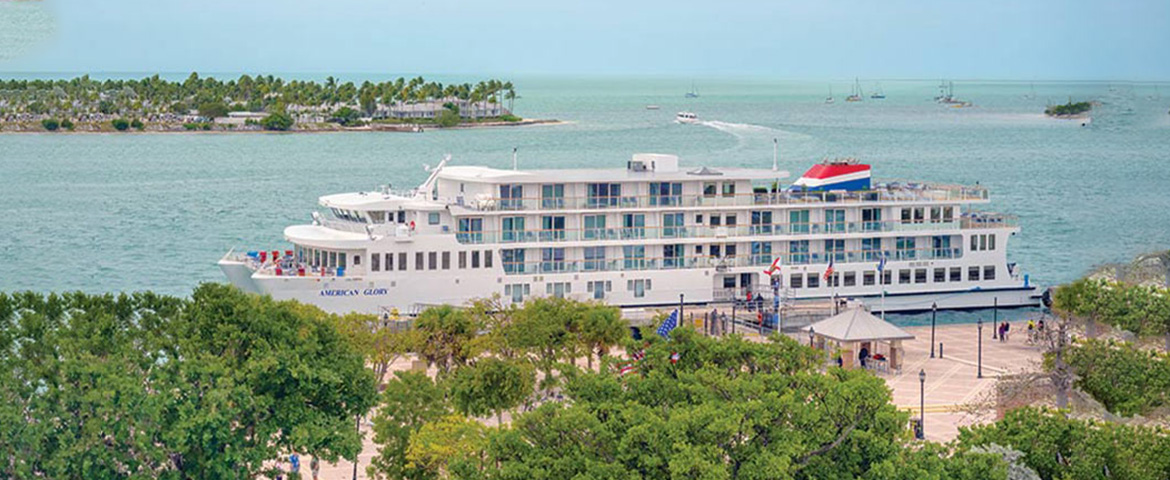
American Glory

49 Passengers
Visit the ship's page

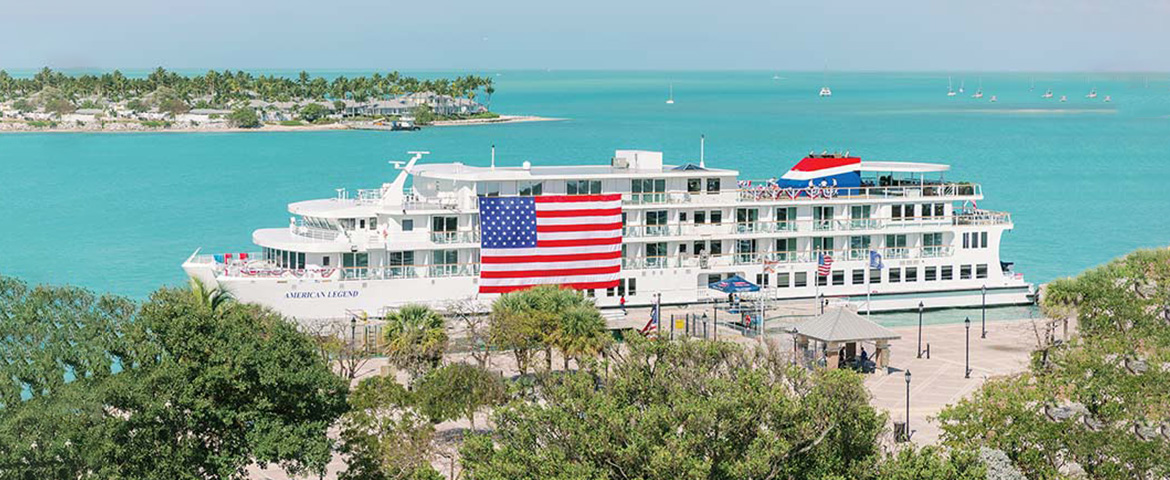
American Legend

Visit the ship's page

American Pioneer

Visit the ship's page

Nantucket, Massachusetts | Cruise Port Guide

They call it the Grey Lady. When fog wraps its cedar shingles, silvered by salt, Nantucket seems to float somewhere between the 19th century and the Atlantic. Cruise ships anchor off the harbour and tender their passengers to the downtown wharves, greeted along the way by the little Brant Point Lighthouse, sentinel of the channel entrance since 1746 and one of the most photographed in New England. From the very first steps, the scene is set: the entire island is designated a National Historic Landmark district.

The whaling capital of the world

At the turn of the 19th century, this sandy island barely 23 kilometres long dominated the planet's whaling industry. Its captains pursued sperm whales all the way to the Pacific, and their cargoes of oil lit the streets of London as well as those of Boston. Herman Melville drew on the sinking of the Essex, a local ship stove in by an angry sperm whale, to write Moby-Dick. This saga is on display at the Whaling Museum, housed in an 1847 former candle factory: a 14-metre sperm whale skeleton suspended in the great hall, whaleboats, harpoons, logbooks, a monumental Fresnel lens and scrimshaw, the teeth engraved by sailors during their endless voyages. The rooftop terrace, open to all, overlooks the grey roofs and the harbour — allow a good two hours for the whole visit.

Cobblestones from Europe

Leaving the museum, Main Street climbs gently between two rows of shipowners' mansions, from red-brick façades to Quaker houses of deliberate simplicity. Its uneven cobblestones have a singular origin: they arrived as ballast in the holds of ships returning from Europe and were laid in the 1830s to tame the muddy street. The whole ensemble was preserved precisely because the decline of whaling froze the island before the industrial era; just mentally switch off the shop windows and you could be in 1845, when lookouts watched for the return of the three-masters. A bylaw jealously guards this harmony: natural shingles, understated shutters and discreet signs remain the norm from one end of the island to the other, even in new construction.

Wharves and legendary baskets

Along the water, Straight Wharf and Old South Wharf line up former fishermen's shacks converted into galleries and shops, geraniums in the windows. Here you will find the island's signature object: the Nantucket basket, originally woven by the crews of lightships moored offshore to while away their watches, which over time became a refined craft whose finest pieces are passed down as heirlooms. The workshops that carry on the technique are happy to let visitors watch, hands and rattan at work, and the nearby Atheneum, a Greek Revival library with white columns, also deserves a look.

Beyond the town

  • Bikes can be rented near the wharves; a path leads in half an hour to the hamlet of Sconset and its cottages covered in climbing roses.
  • The wide, surf-pounded beaches of the south shore are perfect for a walk facing the open sea, where the island has nothing between it and the ocean until the Azores.
  • Brant Point Lighthouse, a fifteen-minute walk from the centre, is the best vantage point for photographing the comings and goings of the ferries.

The final word

Nantucket is not playing period set piece: it has simply never stopped being itself. As the tender heads back to the ship and the grey shingles melt into the fog, you understand why so many families have returned every summer for generations — and you begin, already, to plan your own return.

Frequently Asked Questions

No. Cruise ships anchor off the harbour and tender passengers to the wharves in town. The small Brant Point lighthouse, guarding the channel entrance since 1746, watches over the approach.
Yes. The town is compact and the whole island is a National Historic Landmark district: Main Street, the Whaling Museum, the Atheneum and the wharves are all walkable. To go further, bicycles rent near the docks.
The Whaling Museum deserves a good two hours, rooftop deck included. Then add cobbled Main Street, the galleries on Straight Wharf and Old South Wharf, and if time allows, a half-hour bike ride along the path to the neighbouring village.
At the turn of the nineteenth century this 23-kilometre sand island dominated the global whaling industry. Its captains chased sperm whales into the Pacific and their oil lit London as well as Boston. The wreck of the Essex, a Nantucket ship stove in by a whale, inspired Herman Melville's Moby-Dick.
A 14-metre sperm whale skeleton hanging in the main hall, whaleboats, harpoons, logbooks, a monumental Fresnel lens and scrimshaw, the teeth engraved by sailors during long voyages. The museum occupies an 1847 candle factory, and its rooftop deck overlooks the grey roofs and the harbour.
The cobbles arrived as ballast in the holds of ships returning from Europe, then were laid in the 1830s to fix a muddy street. Their unevenness is part of the charm, but wear comfortable shoes.
The island's signature craft. Originally woven by the crews of lightships anchored offshore to pass the long watches, it became a refined craft whose finest pieces are handed down through families. Workshops in town still practise the technique and welcome onlookers.
The US dollar, and cards are taken everywhere, from the museum to the wharf galleries. Some cash remains handy for tips and bicycle rentals.
June through October. Summer is mild and lively, September and October quieter with lovely light. Fog, which earned the island its Grey Lady nickname, can settle in at any time and complicate tendering.
Yes. The museum's whale skeleton impresses children, Brant Point lighthouse is an easy walk, and bicycle rentals make it simple to get out of town. The island is flat, which helps a great deal.