Pensacola FL Florida

92 Cruises availables At departure or passage at this port

American Cruise Lines (92 Cruises)

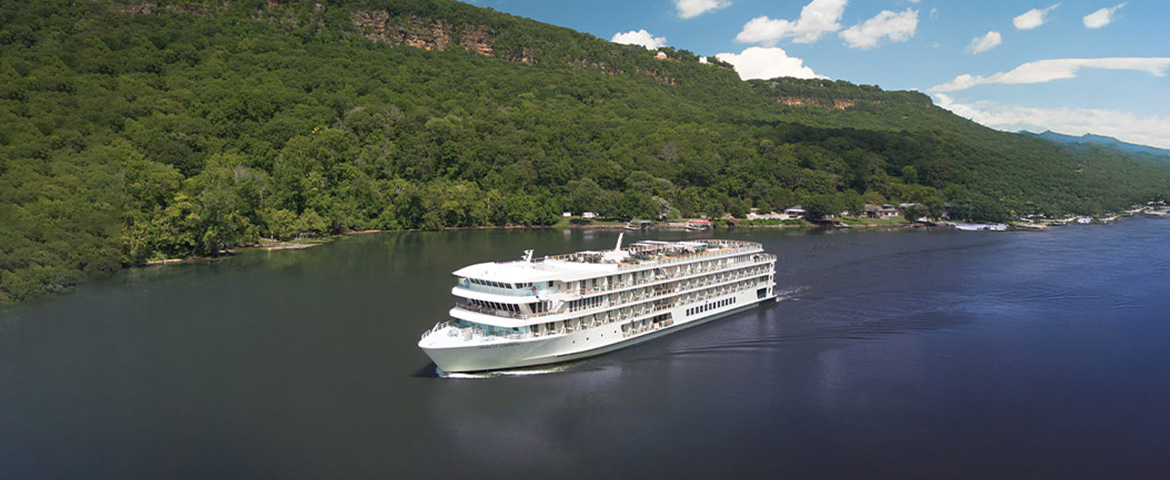
American Symphony

Visit the ship's page

Pensacola, Florida | Cruise Port Guide

Five flags have flown over this bay: Spanish, French, British, Confederate and American. Pensacola, set at the western end of Florida, claims the title of "City of Five Flags" with the confidence of a city that has watched empires come and go. As early as 1559, a Spanish expedition attempted to found a colony here, decades before the better-known settlements on the Atlantic coast. Ships now dock at the edge of a downtown where this long history can be read on every street corner.

Palafox Street, the backbone

From the quay, a few minutes' walk leads to Palafox Street, the thoroughfare running down toward the port between brick façades, wrought-iron balconies and shaded terraces. Coffee roasters, bookstores, galleries and restaurants follow one another in the atmosphere of a Southern city that takes its time. Plaza Ferdinand VII, where Florida was officially transferred from Spain to the United States in 1821, punctuates the stroll with a solemn reminder beneath the oaks.

The Seville district

East of Palafox, the historic Seville district lines up Gulf Coast cottages, Victorian homes and wooden churches around quiet little squares. Historic Pensacola Village brings together several house museums there, where costumed guides and artisans bring daily life in the 18th and 19th centuries back to life. You walk from one home to the next, between gardens and white fences, in a setting that has remained on a human scale. The history museum housed in the former city hall, built in Renaissance style, completes the tour with its regional collections.

The temple of naval aviation

Pensacola also tells its story in the skies. The neighbouring naval air station, the cradle of U.S. Navy aviators, is home to the National Naval Aviation Museum and its some 150 aircraft: early biplanes, carrier-based fighters, Cold War aircraft and Blue Angels jets suspended in formation in the main hall. Since access to the base is controlled, bring photo ID and check admission requirements; the visit easily takes up half a day, and enthusiasts will want to check the calendar: the Blue Angels flight demonstration squadron, based here, regularly practises over the base. The nearby lighthouse, standing since 1859, rounds out the outing with its view over the entrance to the bay.

White sand beaches

Across the bay, a barrier island protects the city: Santa Rosa, whose beaches rank among the whitest on the Gulf of Mexico. The sand, made of quartz carried down from the Appalachians, squeaks underfoot like cold snow. Part of the shoreline belongs to Gulf Islands National Seashore, which preserves dunes, sea oats and 19th-century fortifications, including Fort Pickens at the western tip. Allow about twenty minutes by road to dip your toes in emerald-green water.

At the table on the Gulf

Local cuisine celebrates the catch of the day: local oysters, shrimp, red snapper and grouper are enjoyed grilled, fried or in tacos, from laid-back waterfront counters to the more elegant dining rooms of Palafox. Downtown craft breweries pair it all with local beers, and terraces fill up early as the sun sinks over the water.

One last look

Before heading back on board, a detour through the waterfront park lets you take in the whole scene: the bay where galleons once anchored, the hangars of the naval air station on the horizon, the steeples of the old district behind you. Five flags, five stories, the same golden light on the water. Pensacola leaves the impression of a city with nothing to prove, and that is precisely what makes you want to come back.

Frequently Asked Questions

At the edge of downtown on Pensacola Bay. A few minutes' walk brings you to Palafox Street, the main artery running down to the port between brick facades, wrought-iron balconies and shaded terraces.
Yes, for the centre. Palafox Street, Ferdinand VII Plaza and the historic Seville district are all walkable. The naval aviation museum and the Santa Rosa beaches, however, need a vehicle.
Palafox Street and the Seville district with the house museums of Historic Pensacola Village, or else a full half-day at the National Naval Aviation Museum. Doing both is difficult: choose by taste.
Because five flags have flown over its bay: Spanish, French, British, Confederate and American. As early as 1559 a Spanish expedition attempted a colony here, decades before the better-known Atlantic coast settlements.
The museum of the neighbouring naval air station, cradle of US Navy aviators, with some 150 aircraft: early biplanes, carrier fighters, Cold War types and Blue Angels jets suspended in formation in the main hall. Allow half a day.
Yes. Access to the base is controlled: bring photo identification and check the admission rules before setting out, since they can change. The Blue Angels flight demonstration squadron is based here and practises regularly over the field.
Yes, across the bay on the barrier island of Santa Rosa. The sand, quartz washed down from the Appalachians, is so pale that it squeaks underfoot like cold snow. Part of the shoreline is protected within Gulf Islands National Seashore.
The historic quarter east of Palafox: Gulf Coast cottages, Victorian houses and timber churches around quiet squares. Historic Pensacola Village gathers several house museums there, where costumed guides and craftspeople bring eighteenth and nineteenth-century life back.
The US dollar, and cards work everywhere: museums, Palafox Street restaurants, shops. Some cash remains handy for tips.
Spring and autumn offer the most bearable heat and still-pleasant water. Gulf summers are hot and humid with late-afternoon thunderstorms, and hurricane season runs June through November.