Providence RI Rhode Island

146 Cruises availables At departure or passage at this port

American Cruise Lines (146 Cruises)

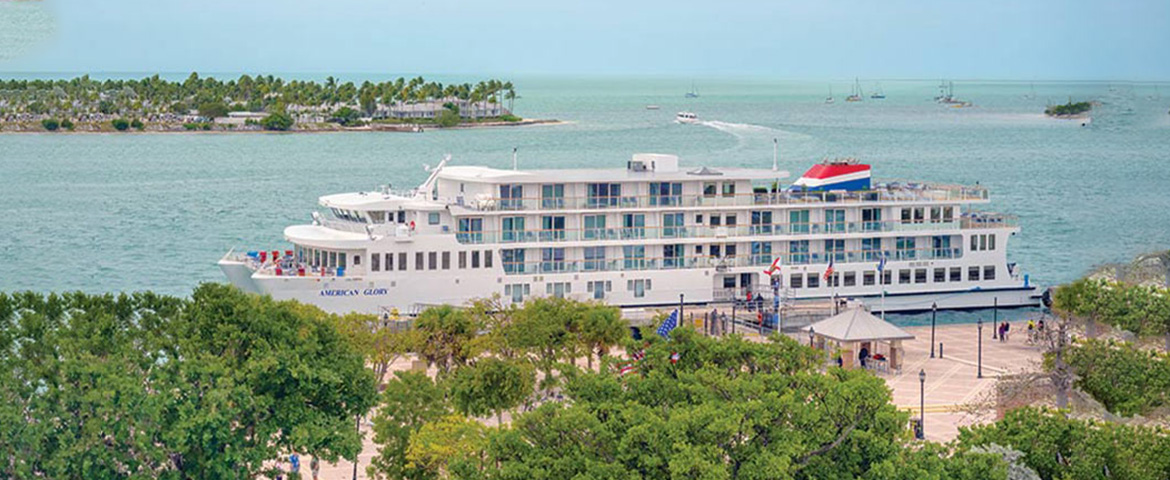
American Glory

49 Passengers
Visit the ship's page

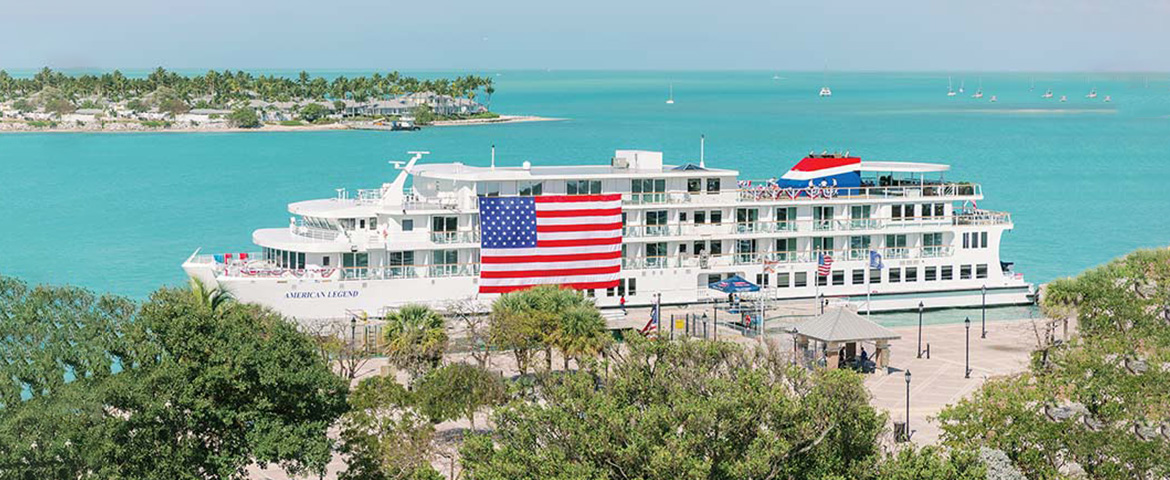
American Legend

Visit the ship's page

Providence, Rhode Island | Cruise Port Guide

Few American capitals can be grasped so quickly. Providence, founded in 1636 by Roger Williams, a minister banished from Massachusetts for defending freedom of conscience, packs into a few square kilometres redeveloped rivers, a hill of studios and universities, an exuberant Italian neighbourhood and one of the most award-winning food scenes in the country. Coastal cruise ships moor on the waterfront, in the India Street area, and downtown can be reached in ten to twenty minutes on foot along the water.

Rivers brought back to life

In the 1990s, the city carried out a bold urban move: uncovering its rivers, long buried under concrete, and giving them back banks, footbridges and plazas. The result can now be explored between Waterplace Park and the Riverwalk, where gondolas and small boats glide beneath arched bridges. On some summer evenings, the WaterFire installation sets the water ablaze: about a hundred braziers lined up along the current, lit at dusk amid music and reflected flames. If your port call coincides with a lighting, do not miss it under any circumstances; the schedule is published in advance.

Benefit Street, the Mile of History

On the slope of College Hill, Benefit Street lines up, over about a kilometre and a half, one of the country's highest concentrations of pre-1800 architecture: Georgian and Federal homes with fanlight doors, lanterns and brick sidewalks heaved up by tree roots. The climb continues to Brown University, whose gates open onto shaded lawns, and to the Rhode Island School of Design Museum, the famous RISD. This school museum surprises with its scope: Egyptian mummies, French Impressionists, contemporary design and a giant 12th-century wooden Buddha.

Federal Hill, Italy in New England

Farther west, an arch topped with a bronze pine cone marks the entrance to Atwells Avenue and the Federal Hill neighbourhood. Delis overflowing with provolone and prosciutto, cafés where espresso is drunk standing up and family trattorias run by the third generation: the neighbourhood cultivates its Italian roots without forced folklore. It is the ideal place for a meal, with a plate of fresh pasta or a cannoli in hand, amid conversations that switch from one language to the other.

The dome and the skyline

Heading back down toward the harbour, you cannot miss the Rhode Island State House and its white marble dome, one of the largest self-supporting marble domes in the world, which towers over the city like a scaled-down capitol. Architecture lovers will round out the walk with the 1920s downtown, its Art Deco skyscrapers and the 1828 Arcade, considered the oldest indoor shopping mall in the United States, now converted into micro-boutiques and food counters.

Suggested routes

  • Half a day on foot: Riverwalk, Benefit Street and the RISD Museum, returning along the waterfront.
  • Full day: add Federal Hill for a meal and the State House.
  • WaterFire evening: check the lighting dates before planning.
  • College Hill is genuinely steep: good shoes are recommended.

Providence rewards curiosity a hundredfold: behind every transom door lies a story of dissenters, artists or families from Calabria. You return on board convinced you have found one of the most underrated cities on the Atlantic coast, and secretly hoping it stays that way a little longer.

Frequently Asked Questions

At the waterfront, in the India Street area. Downtown is then a ten to twenty minute walk along the water.
Yes, but wear the right shoes: the College Hill slope is real, and the climb to Benefit Street and Brown University has to be earned. The Riverwalk and Waterplace Park, by contrast, stay flat and easy.
Follow the Riverwalk to Waterplace Park, climb Benefit Street, visit the Rhode Island School of Design museum and come back down by the wharves. With a full day, add Federal Hill for a meal and the State House dome.
An installation that sets the river alight on certain summer evenings: around a hundred braziers strung along the current, lit at dusk, with music and reflections. The schedule is published in advance; if your call falls on a lighting night, do not miss it.
It packs into about a kilometre and a half one of the densest concentrations of pre-1800 architecture in the United States: Georgian and Federal houses with fanlight doors, lanterns, and brick sidewalks buckled by tree roots. It leads to Brown University and the RISD Museum.
Far more than you would expect from a school museum: Egyptian mummies, French Impressionists, contemporary design and a giant 12th-century wooden Buddha. It sits on College Hill at the top of the Benefit Street climb.
On Federal Hill, west of downtown, under the bronze pinecone arch that marks the entrance to Atwells Avenue. Delicatessens, cafés where espresso is drunk standing up and family trattorias run by the third generation keep the neighbourhood’s Italian roots alive without laying it on.
Because in the 1990s the city made a bold bet: dig up waterways long buried under concrete and give them back their banks, footbridges and squares. The move transformed downtown, and you now walk between Waterplace Park and the Riverwalk under arched bridges.
The US dollar and English. Credit cards are accepted everywhere and restaurant tipping runs 15 to 20 percent; on Federal Hill you will still hear conversations slipping between languages.
June through October. Summer brings the WaterFire evenings and the patios; autumn brings New England light and colour to the brick of College Hill, with quieter streets.