Richland WA Washington

567 Cruises availables At departure or passage at this port

American Cruise Lines (567 Cruises)

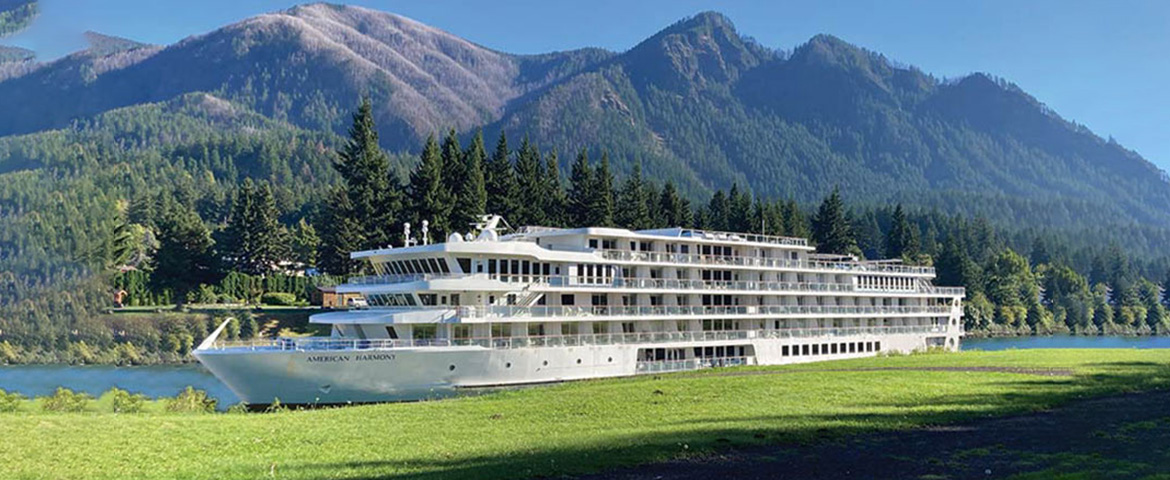
American Harmony

240 Passengers
Visit the ship's page

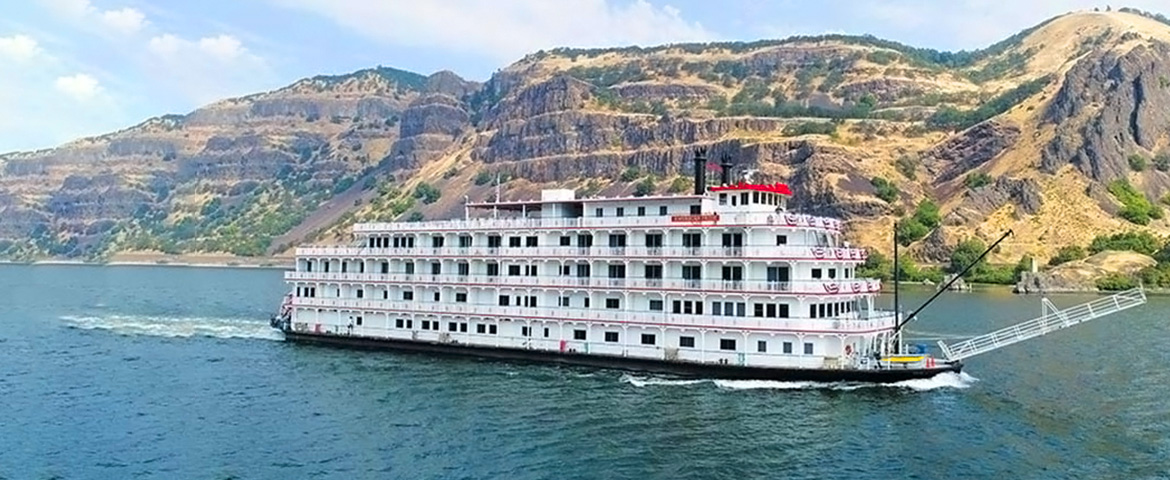
American Pride

2700 tons
Visit the ship's page

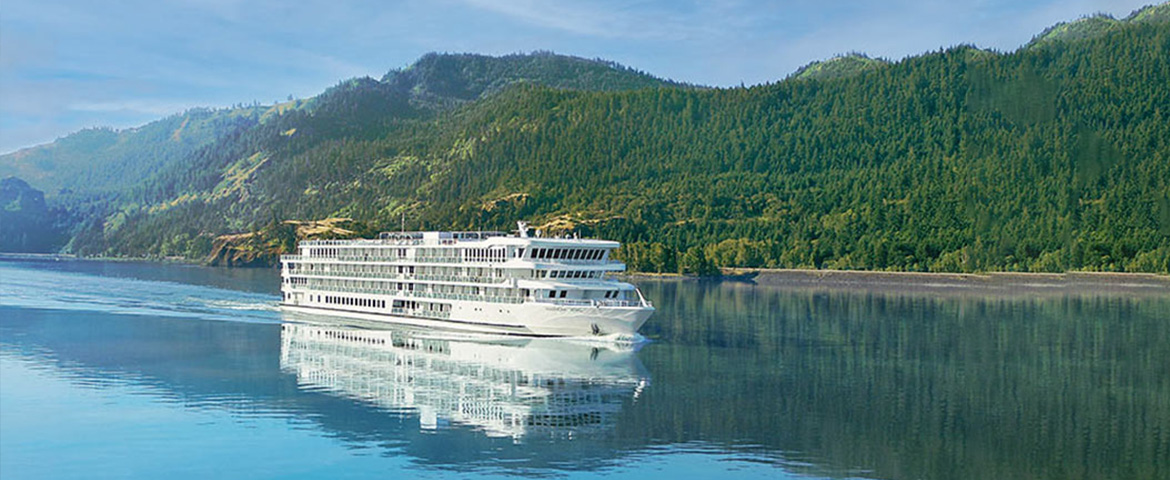
American Song

241 Passengers
2700 tons
Visit the ship's page

Richland, Washington | Cruise Port Guide

A wide, calm river in the middle of dry country: that's what first surprises you as you approach Richland. The Columbia doesn't flow here between misty forests as it does near Portland, but between golden hills covered in sagebrush, under one of the sunniest skies in Washington State. River ships travelling up the Columbia and the Snake tie up right on the edge of town, and a few steps are enough to reach the waterside trails.

A town born of the river and an unusual history

Together with Pasco and Kennewick, Richland makes up the Tri-Cities, located where the Yakima joins the Columbia. Long a simple farming town, its destiny changed in 1943, when the US government secretly established the Hanford Site here, part of the Manhattan Project. This chapter of history can still be read in the residential streets: hundreds of standardized houses, hastily built to house the workers, bear letters of the alphabet according to their model. Residents still call them the "Alphabet Houses," and spotting them during a stroll quickly becomes a game.

Howard Amon Park, the town's green living room

From the dock, the most natural thing to do is follow the shore to Howard Amon Park, a vast grassy area hugging the riverbank for nearly two kilometres. Its tall trees provide welcome shade in summer, families picnic near the splash pads and herons fish just a few metres from walkers. The paved riverside trail extends well beyond the park: it's part of the Sacagawea Heritage Trail, a loop of about 37 kilometres that links the three cities along both banks. An hour's round trip on a section of it already offers lovely views of the water and the bridges.

The REACH Museum, to understand the landscape

At the southern end of the riverfront area, the REACH Museum tells the story of the geological formation of the Columbia Basin, the cataclysmic floods of the last Ice Age, the First Nations of the river, the Lewis and Clark expedition and the Hanford era. Its bright galleries and terraces facing the hills help connect everything you can see from the ship's deck. It's the ideal stop to add depth to a port call that seems peaceful on the surface.

Vineyards at the edge of town

The same conditions that make the sagebrush grow — heat, volcanic soils, dry air — have made the region one of Washington State's great wine-growing areas. The slopes of Red Mountain, about twenty minutes away by road, produce renowned reds, and several tasting rooms welcome passengers on excursions. Even without leaving Richland, a few tasting counters near downtown let you sample local Cabernets and Rieslings, often poured by the winemakers themselves.

Practical pointers

  • Docking: river ships tie up on the edge of the riverfront area, within walking distance of Howard Amon Park and downtown.
  • On foot: a flat, shaded riverside promenade; the REACH Museum can be reached by trail or in a few minutes by vehicle.
  • On excursion: Red Mountain vineyards about 20 minutes away; tours on the history of Hanford leave from the area depending on the season.
  • Climate: hot, dry summers; a hat and water bottle recommended for walks.

Back to the ship

At the end of the day, the low light sets the hills ablaze and the water takes on copper tones. Passengers return on board with the memory of a local wine, a few images of alphabet houses and the feeling of having touched a little-known chapter of the 20th century. Richland doesn't try to dazzle: it lets the river, the desert and history speak in a low voice, and that restraint stays with those who listen for a long time.

Frequently Asked Questions

Right along the city’s riverfront, on the Columbia. River vessels working up the Columbia and the Snake tie up within walking distance of Howard Amon Park and downtown.
Yes. The riverside walk is flat and shaded, and Howard Amon Park starts practically at the landing. The REACH Museum can be reached by trail or a few minutes by vehicle; the vineyards, however, need an excursion.
Follow the bank to Howard Amon Park, walk a stretch of the Sacagawea Heritage Trail, then visit the REACH Museum. If the excursion is offered, the Red Mountain vineyards easily fill the other half of the day.
Because the Columbia here runs between golden hills covered in sagebrush, under one of the sunniest skies in Washington State. This is nothing like the misty forests near Portland: it is a wide, calm river in the middle of dry country.
Hundreds of standardised houses thrown up in 1943 to house workers at the Hanford site, tied to the Manhattan Project. Each model carries a letter of the alphabet, and spotting them on a walk quickly becomes a game.
The geological formation of the Columbia basin, the cataclysmic floods of the last ice age, the river’s First Nations, the Lewis and Clark expedition and the Hanford era. It is the stop that gives depth to an outwardly peaceful call.
Yes. The Red Mountain slopes, about twenty minutes away by road, produce well-regarded reds, and several tasting rooms welcome passengers on excursion. Without leaving Richland, a few tasting counters near downtown pour local cabernets and rieslings, often served by the winemakers themselves.
A loop of roughly 37 kilometres linking Richland, Pasco and Kennewick along both banks. Richland’s paved riverside path is part of it; even an hour out and back gives fine views of the water and the bridges.
The US dollar and English. Credit cards are accepted everywhere and restaurant tipping runs 15 to 20 percent.
Spring and early autumn. Summer is hot and dry: a hat and a water bottle are essential for walking, and the big trees in Howard Amon Park become a valuable resource.