Savannah GA Georgia
623
Cruises availables
At departure or passage at this port
American Cruise Lines (621 Cruises)
American Eagle
94 Cruises
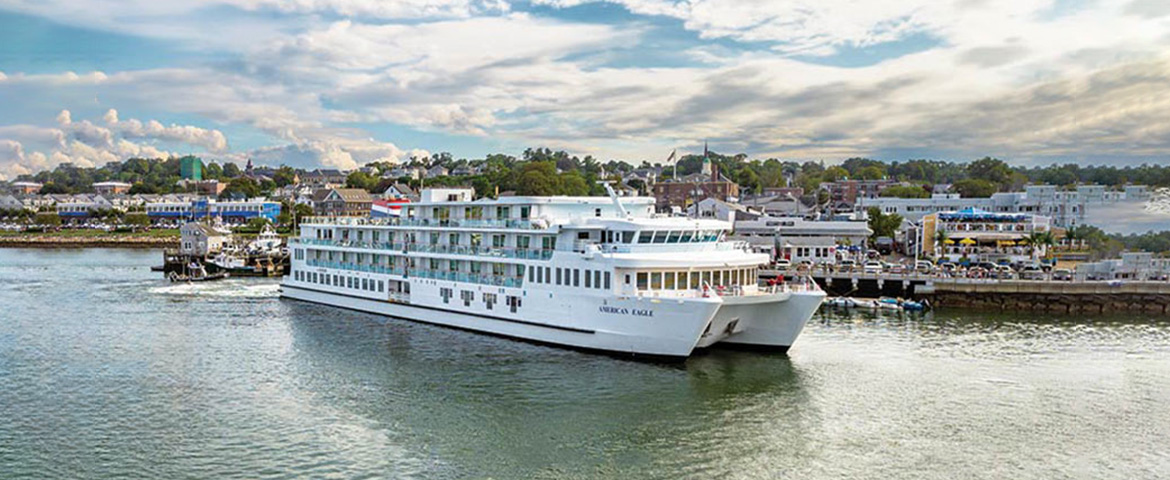

| 28 January | 8 nights | One-way from Charleston SC to Amelia Island Florida |
450-628-6241
Call us
|
| 29 January | 6 days | One-way from Charleston SC to Amelia Island Florida |
450-628-6241
Call us
|
| 27 January | 8 nights | One-way from Charleston SC to Amelia Island Florida |
450-628-6241
Call us
|
| 28 January | 6 days | One-way from Charleston SC to Amelia Island Florida |
450-628-6241
Call us
|
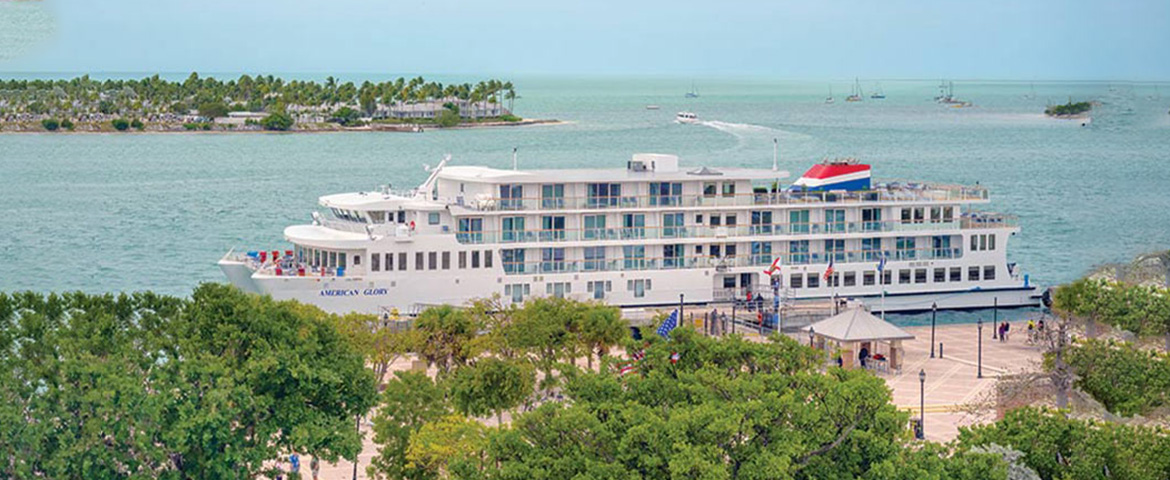
American Glory
103 Cruises
American Legend
92 Cruises
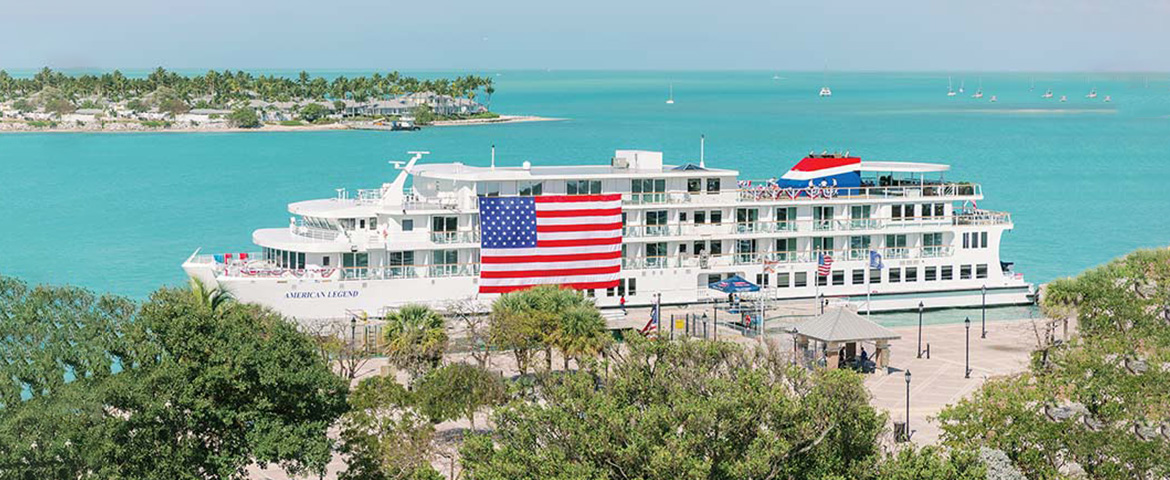
| 27 January | 8 nights | One-way from Amelia Island Florida to Charleston SC |
450-628-6241
Call us
|
| 28 January | 6 days | One-way from Amelia Island Florida to Charleston SC |
450-628-6241
Call us
|
| 23 February | 8 nights | One-way from Amelia Island Florida to Charleston SC |
450-628-6241
Call us
|
| 24 February | 6 days | One-way from Amelia Island Florida to Charleston SC |
450-628-6241
Call us
|
American Liberty
220 Cruises
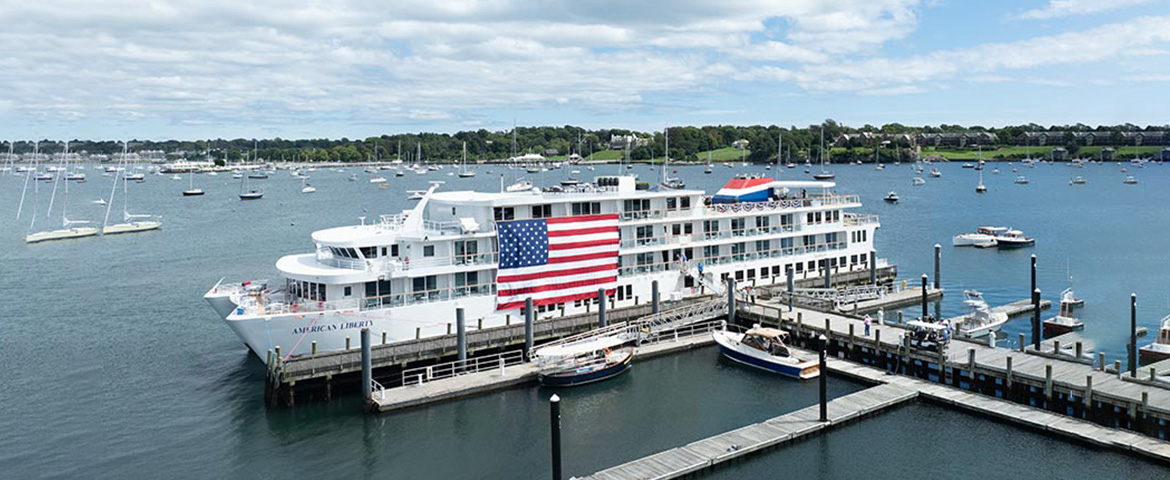
| 17 February | 8 nights | One-way from Charleston SC to Amelia Island Florida |
450-628-6241
Call us
|
| 18 February | 6 days | One-way from Charleston SC to Amelia Island Florida |
450-628-6241
Call us
|
American Splendor
72 Cruises
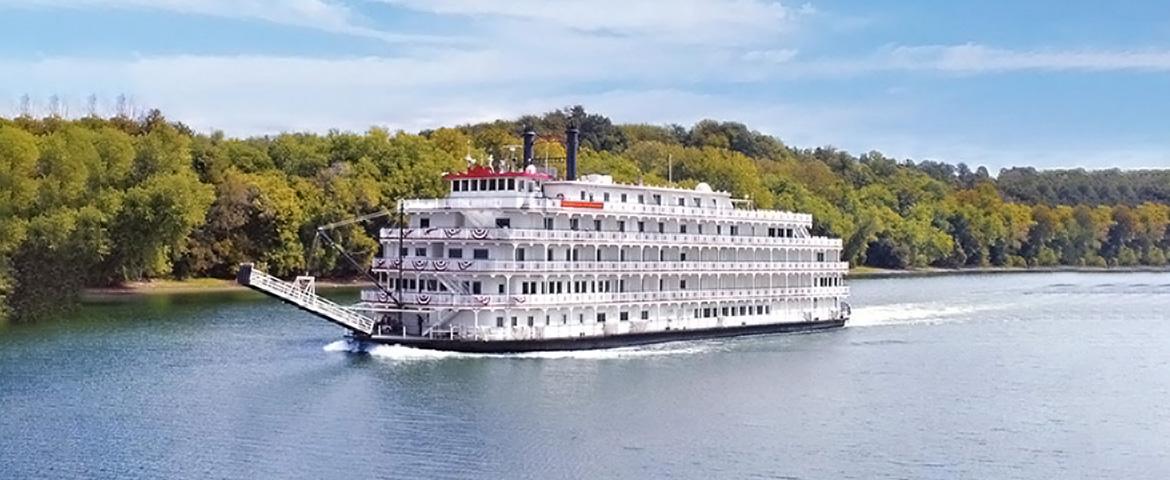
American Symphony
40 Cruises
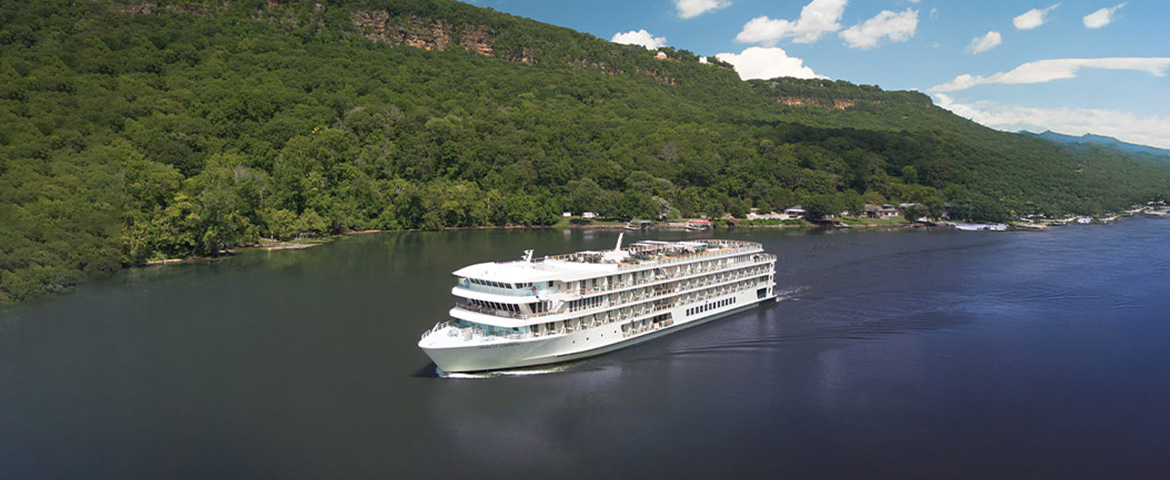
| 24 April | 8 nights | One-way from Nashville TN to Chattanooga TN |
450-628-6241
Call us
|
| 25 April | 6 days | One-way from Nashville TN to Chattanooga TN |
450-628-6241
Call us
|



Savannah, Georgia | Cruise Port Guide
Frequently Asked Questions
Along River Street, at the very spot where General Oglethorpe is said to have landed in 1733 to found the colony. No coach is needed: the gangway opens straight onto the riverfront street and its brick buildings.
Yes, and it is the best way to do it. Stone stairways and ramps climb the low bluff separating the quay from the upper town, where the historic district begins. Watch your ankles all the same: River Street sits on a bed of cobbles and uneven paving.
Climb from River Street into the grid of shaded squares, walk from one to the next, then eat at City Market. Keep time to come back down to the quay and watch the container ships go by from a terrace.
One of the most appealing urban ensembles in North America: the original plan, laid out at the founding, organises the historic district around a succession of squares planted with oaks draped in Spanish moss, each with its fountain, statue or bandstand. Wars and fires spared most of the founding grid.
Four restored blocks on the northwest edge of the old district, with artists’ studios, terraces and street musicians. It is the obvious place to try Southern cooking: shrimp and grits, fried chicken, buttermilk biscuits and sweet iced tea.
Yes. From River Street, large old-style boats, paddle wheels and stacks included, offer narrated outings: sightseeing cruises by day, dinner shows in the evening, Sunday brunches.
Very much so. Freighters still work their way up the channel to the modern terminals, and few places let you sip a lemonade while an ocean giant slides past a few dozen metres from your terrace.
Because the city loves its tales: reputedly haunted houses, eccentric characters, film shoots and pirate legends feed the guided tours that criss-cross the district at all hours. You need not believe a word to enjoy the telling.
The US dollar and English, in a drawl that is part of the pleasure. Credit cards are accepted everywhere and restaurant tipping runs 15 to 20 percent.
Spring and autumn. March and April show the squares at their best; Georgia summers are hot and humid, and the shade of the oaks becomes a valuable resource.


