St Augustine FL Florida
105
Cruises availables
At departure or passage at this port
American Cruise Lines (105 Cruises)
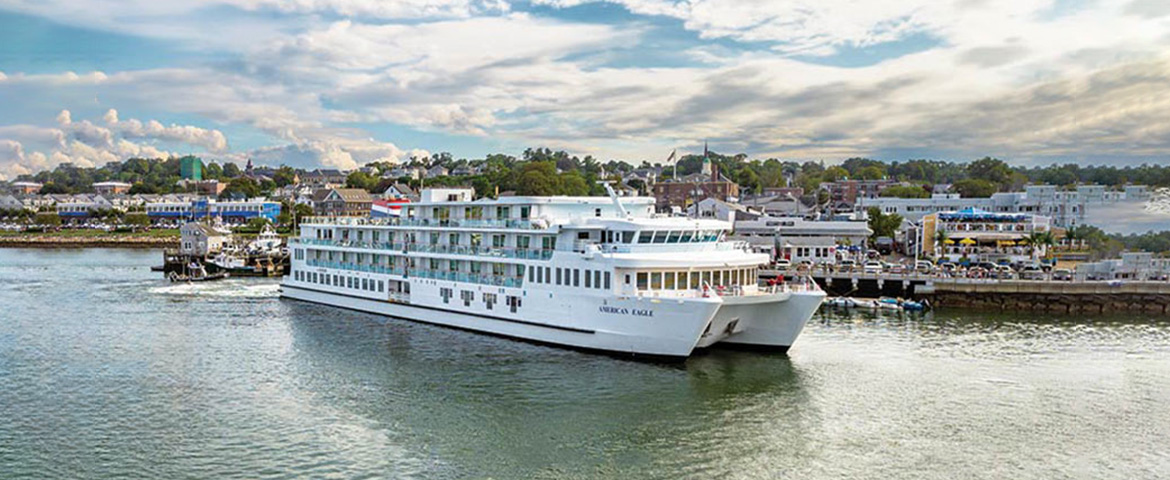
American Eagle
60 Cruises

| 28 November | 8 nights | Round-trip from Jacksonville, USA |
(514) 746-8154
Call me

|
| 29 November | 6 days | Round-trip 8 Night Great Rivers of Florida Cruise and Land Tour |
(514) 746-8154
Call me
|
| 14 May | 8 nights | Round-trip from Jacksonville, USA |
(514) 746-8154
Call me
|
| 15 May | 6 days | Round-trip 8 Night Great Rivers of Florida Cruise and Land Tour |
(514) 746-8154
Call me
|
| 12 May | 8 nights | Round-trip from Jacksonville, USA |
(514) 746-8154
Call me
|
| 13 May | 6 days | Round-trip 8 Night Great Rivers of Florida Cruise and Land Tour |
(514) 746-8154
Call me
|
| 27 November | 8 nights | Round-trip from Jacksonville, USA |
(514) 746-8154
Call me
|
| 28 November | 6 days | Round-trip 8 Night Great Rivers of Florida Cruise and Land Tour |
(514) 746-8154
Call me
|
| 12 May | 8 nights | Round-trip from Jacksonville, USA |
(514) 746-8154
Call me
|
| 13 May | 6 days | Round-trip 8 Night Great Rivers of Florida Cruise and Land Tour |
(514) 746-8154
Call me
|
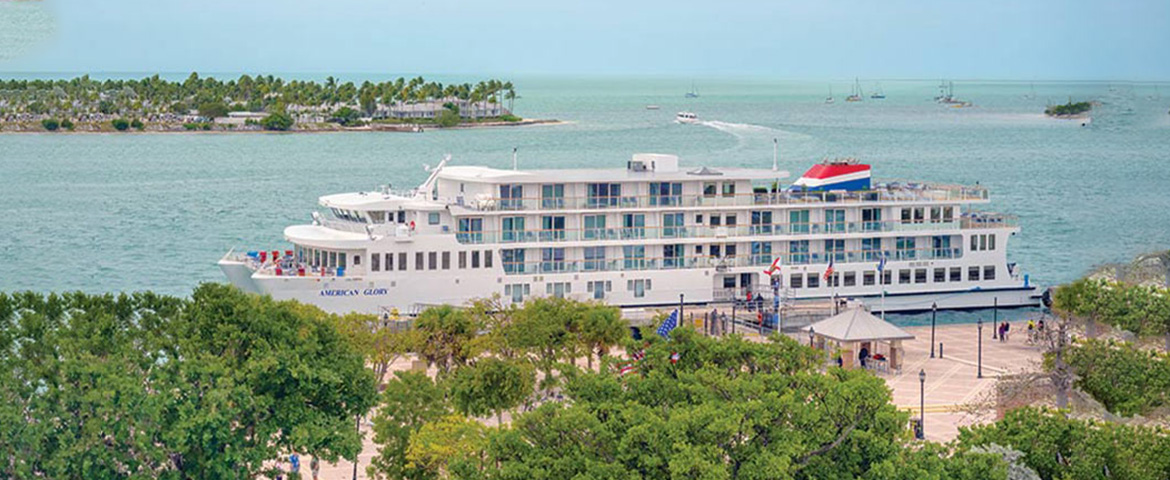
American Glory
16 Cruises
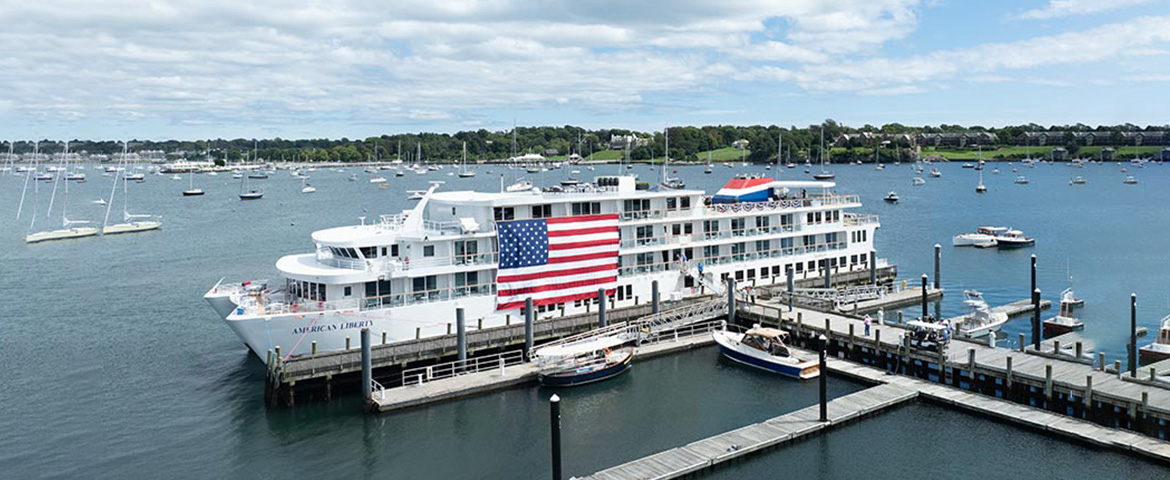
American Liberty
24 Cruises
| 11 February | 8 nights | Round-trip from Jacksonville, USA |
(514) 746-8154
Call me
|
| 12 February | 6 days | Round-trip 8 Night Great Rivers of Florida Cruise and Land Tour |
(514) 746-8154
Call me
|

St. Augustine, Florida | Cruise Port Guide
Frequently Asked Questions
Near the historic district. Only small coastal vessels serve the city, and four and a half centuries of history begin a few steps from the gangway.
Yes, entirely. The Castillo de San Marcos, St George Street, the Flagler district and the bayfront all sit within a compact area that needs no transport.
Start with the Castillo de San Marcos, continue along pedestrian St George Street, then head down to Flagler College and the Lightner Museum. Finish along the bayfront out to the Bridge of Lions.
Because it was founded in 1565, more than half a century before the Mayflower reached New England, and has been continuously inhabited ever since. It is the country’s oldest continuously occupied city of European origin.
The Spanish fortress that has guarded the bay since the late 17th century. Its coquina walls, a limestone of fused shells, absorbed cannonballs instead of cracking, which is why the fort was never taken by assault.
The former Hotel Ponce de León, built in the late 19th century by railway magnate Henry Flagler in a Spanish-Moorish style. The college opens its courtyard to visitors and conveys the splendour of the era when northern high society wintered in Florida.
Collections of 19th-century decorative art housed in the former Hotel Alcazar, right down into the palace’s old indoor swimming pool. The building also holds the city hall and faces Flagler College.
In the lanes off the busy streets: Aviles Street with its art galleries, Charlotte Street with its gardens hidden behind wrought-iron gates. The bayfront out to the Bridge of Lions gives the best distance for photographing the old city.
The US dollar and English, with Spanish very present in place names. Credit cards are accepted everywhere and restaurant tipping runs 15 to 20 percent.
November through April, when heat and humidity stay manageable for a day of walking. Florida summers are heavy, and the shade of St George Street’s wooden balconies becomes valuable.


