St Michaels MD Maryland
110
Cruises availables
At departure or passage at this port
American Cruise Lines (110 Cruises)
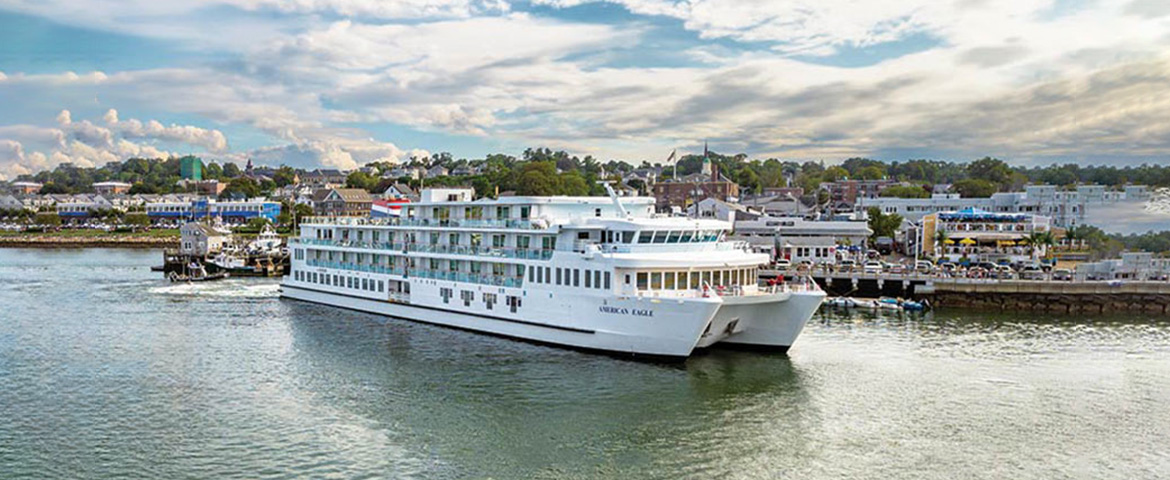
American Eagle
12 Cruises
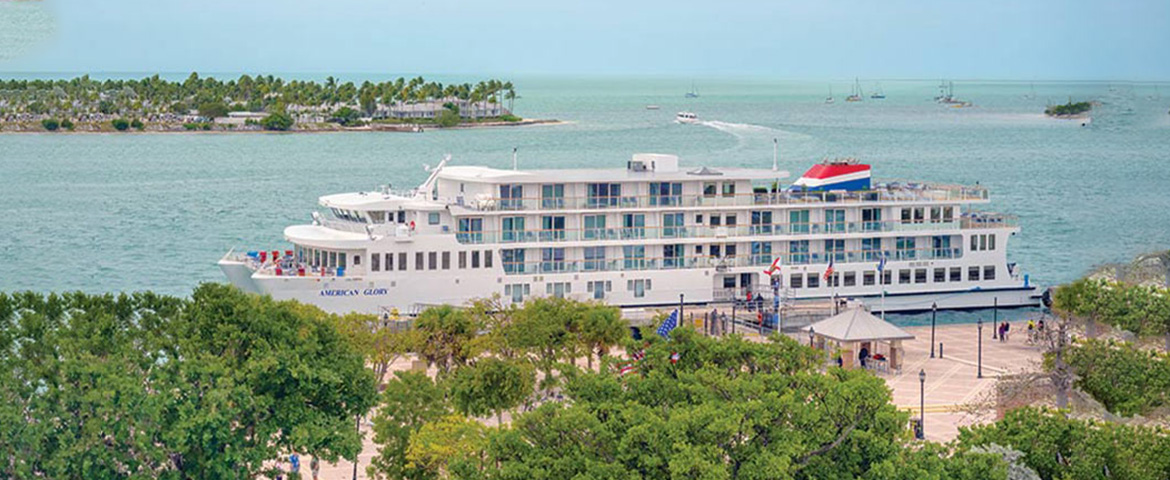
American Glory
24 Cruises
| 28 April | 16 days | One-way from Amelia Island Florida to Washington DC |
450-628-6241
Call us
|
| 29 April | 13 days | One-way from Amelia Island Florida to Washington DC |
450-628-6241
Call us
|
| 21 April | 16 days | One-way from Amelia Island Florida to Washington DC |
450-628-6241
Call us
|
| 22 April | 13 days | One-way from Amelia Island Florida to Washington DC |
450-628-6241
Call us
|
| 5 May | 9 days | One-way from Washington DC to Baltimore |
450-628-6241
Call us
|
| 6 May | 6 days | One-way from Washington DC to Baltimore |
450-628-6241
Call us
|
| 17 April | 16 days | One-way from Amelia Island Florida to Washington DC |
450-628-6241
Call us
|
| 18 April | 13 days | One-way from Amelia Island Florida to Washington DC |
450-628-6241
Call us
|
| 2 May | 12 days | One-way from Philadelphia to Washington DC |
450-628-6241
Call us
|
| 3 May | 9 days | One-way from Philadelphia to Washington DC |
450-628-6241
Call us
|
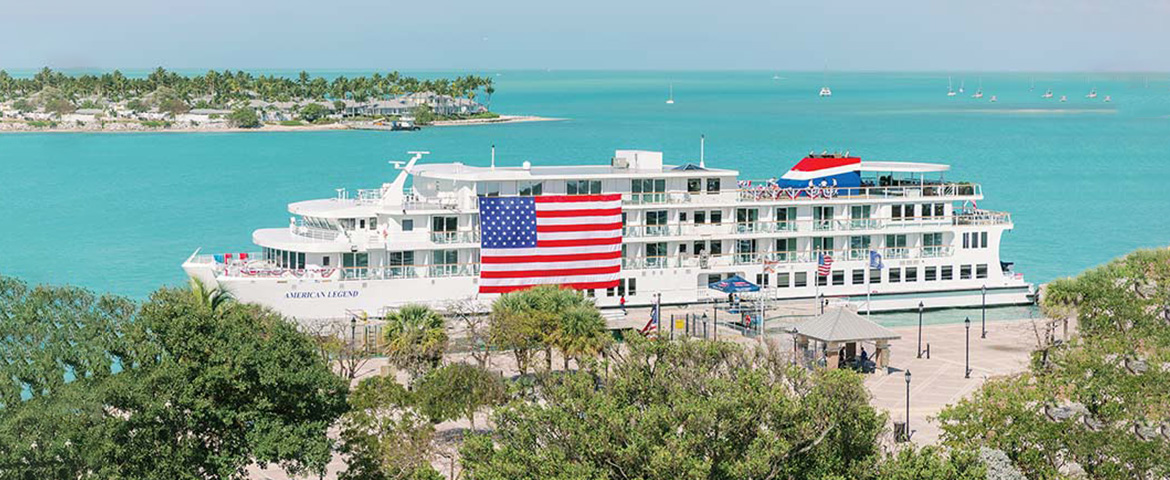
American Legend
68 Cruises
| 24 March | 16 days | One-way from Amelia Island Florida to Washington DC |
450-628-6241
Call us
|
| 25 March | 13 days | One-way from Amelia Island Florida to Washington DC |
450-628-6241
Call us
|
| 21 March | 16 days | One-way from Amelia Island Florida to Washington DC |
450-628-6241
Call us
|
| 22 March | 13 days | One-way from Amelia Island Florida to Washington DC |
450-628-6241
Call us
|
American Liberty
6 Cruises
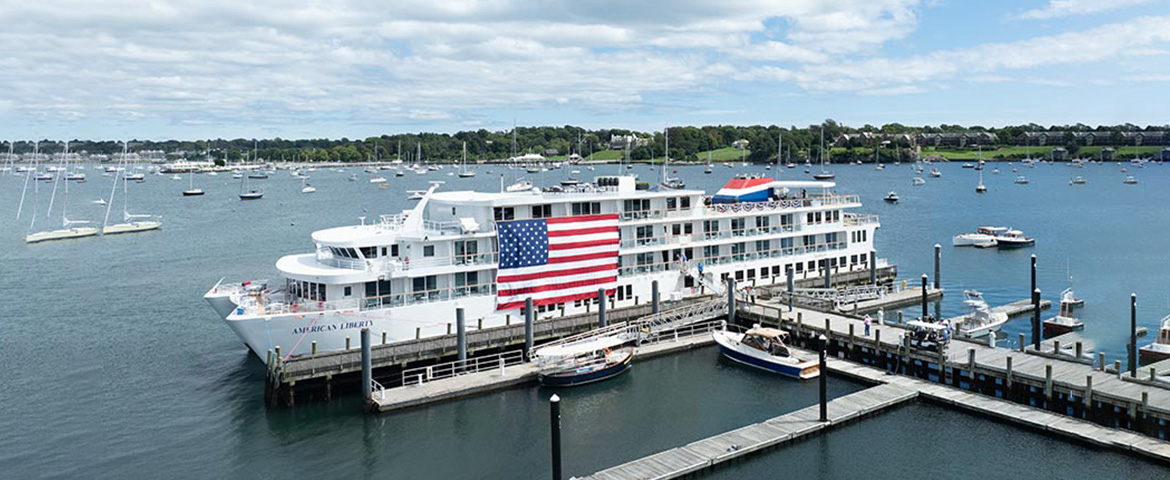
| 18 June | 16 days | One-way from Amelia Island Florida to Washington DC |
450-628-6241
Call us
|
| 19 June | 13 days | One-way from Amelia Island Florida to Washington DC |
450-628-6241
Call us
|

St. Michaels, Maryland | Cruise Port Guide
Frequently Asked Questions
Right in the heart of the Chesapeake Bay Maritime Museum, on the site of a former shipwrights’ village. Few ports let you step ashore straight into a living museum like this.
Yes. The museum grounds cover about seven hectares of shoreline, and Talbot Street, the town’s main street, is five minutes’ walk away.
Give half the day to the maritime museum and its lighthouse, then walk up Talbot Street for the shops and the blue crab. An hour-long narrated trip on the Miles River rounds things off nicely.
About ten exhibition buildings devoted to the maritime heritage of the Chesapeake: oystermen, blue crab fishermen and the builders of skipjacks, the working sailboats of which a few still sail. The working boatyard is still active, and craftsmen restore historic vessels in front of visitors.
A hexagonal screwpile tower built in 1879 and moved here to save it from demolition. You climb into the keeper’s room and scan the bay from the gallery, where the view takes in the Miles River, the anchored sailboats and the rooftops of the town.
Blue crab in every form: as cakes, as soup or simply steamed, with a glass of east coast wine. The ice cream parlours and sweet shops on Talbot Street take over between antique shop windows.
Yes, narrated trips leave the museum site regularly. An hour on the water is enough to grasp the geography of this inland sea, a maze of estuaries, creeks and peninsulas where working sail reigned for two centuries.
The classic working sailboat of the Chesapeake, designed to dredge oysters under sail. The museum keeps and maintains several, and in summer you sometimes see them working under their original canvas, a rare sight on the Atlantic coast.
The US dollar and English. Credit cards are accepted everywhere and restaurant tipping runs 15 to 20 percent.
May through October. Summer puts the historic fleet on the water and gives the town its full life; September and October offer the same light on the Miles River with fewer people on Talbot Street.


