Terrene Landing-Cleveland MS Mississippi
434
Cruises availables
At departure or passage at this port
American Cruise Lines (434 Cruises)
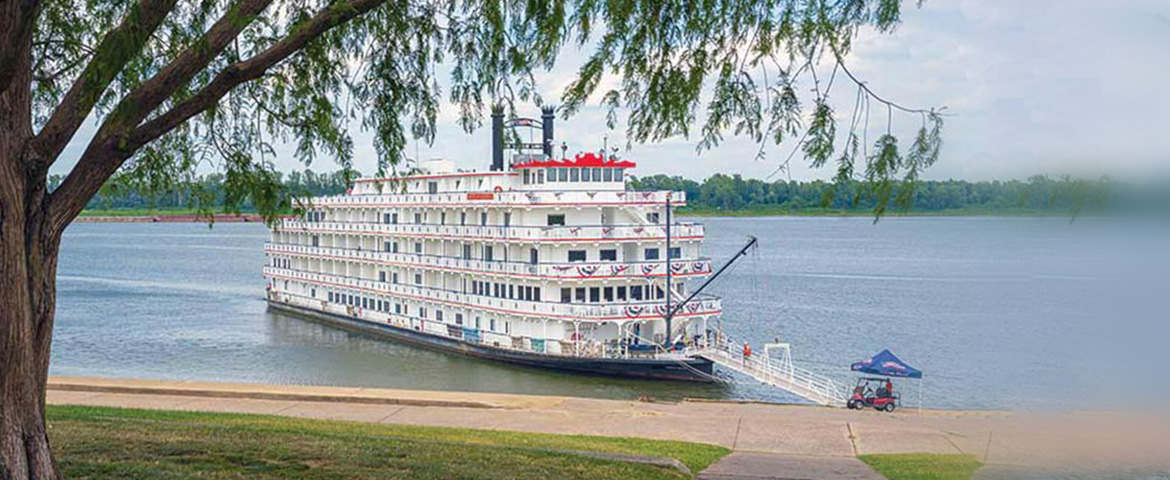

American Melody
128 Cruises
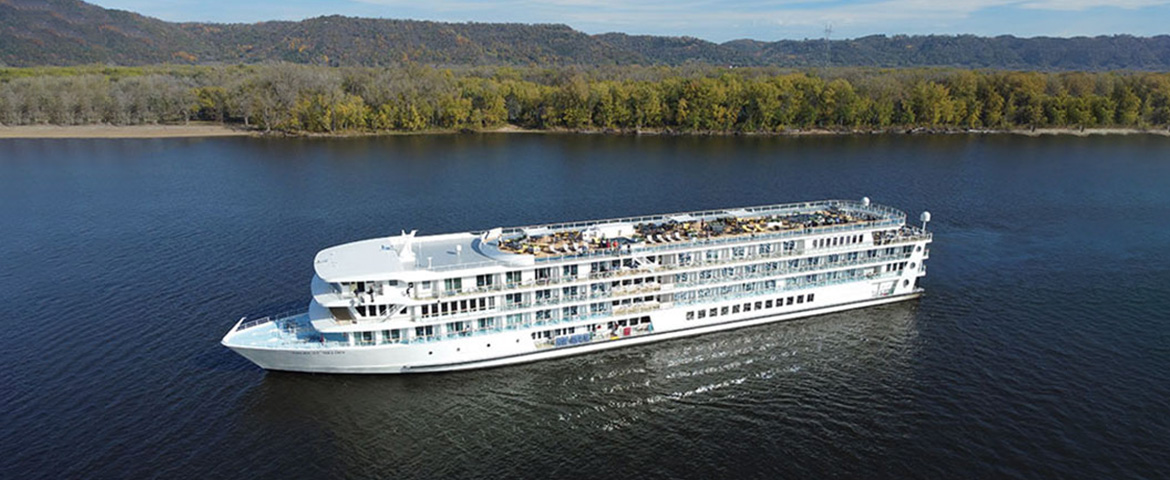
| 26 March | 8 nights | One-way from New Orleans to Memphis TN |
450-628-6241
Call us
|
| 27 March | 6 days | One-way from New Orleans to Memphis TN |
450-628-6241
Call us
|
| 29 October | 8 nights | One-way from New Orleans to Memphis TN |
450-628-6241
Call us
|
| 30 October | 6 days | One-way from New Orleans to Memphis TN |
450-628-6241
Call us
|
| 27 October | 8 nights | One-way from New Orleans to Memphis TN |
450-628-6241
Call us
|
| 28 October | 6 days | One-way from New Orleans to Memphis TN |
450-628-6241
Call us
|
| 3 November | 8 nights | One-way from New Orleans to Memphis TN |
450-628-6241
Call us
|
| 4 November | 6 days | One-way from New Orleans to Memphis TN |
450-628-6241
Call us
|
American Serenade
154 Cruises
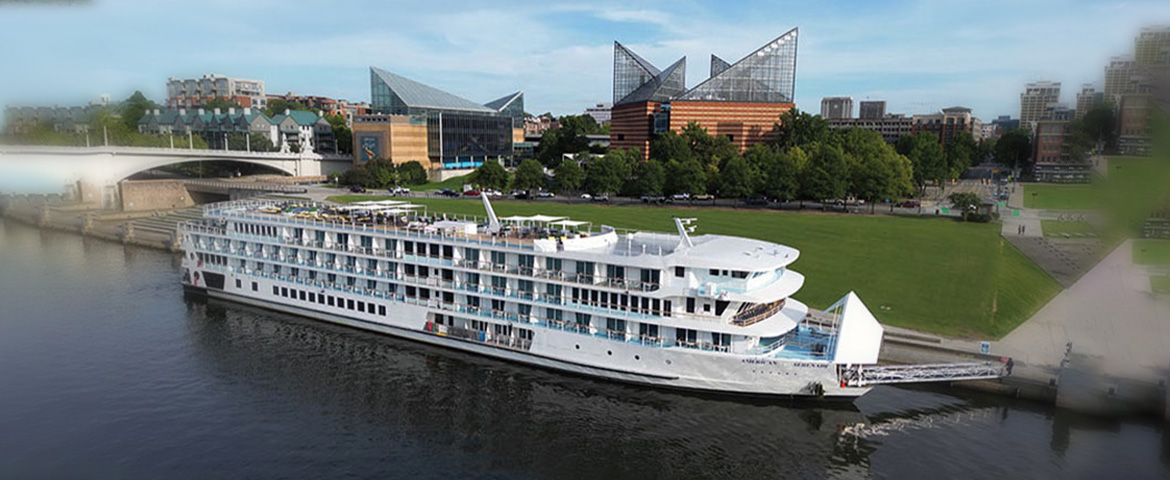
| 4 June | 8 nights | One-way from Memphis TN to New Orleans |
450-628-6241
Call us
|
| 5 June | 7 days | One-way from Memphis TN to New Orleans |
450-628-6241
Call us
|
| 2 June | 8 nights | One-way from Memphis TN to New Orleans |
450-628-6241
Call us
|
| 3 June | 7 days | One-way from Memphis TN to New Orleans |
450-628-6241
Call us
|
| 4 May | 8 nights | One-way from New Orleans to Memphis TN |
450-628-6241
Call us
|
| 5 May | 6 days | One-way from New Orleans to Memphis TN |
450-628-6241
Call us
|
| 9 June | 8 nights | One-way from Memphis TN to New Orleans |
450-628-6241
Call us
|
| 10 June | 7 days | One-way from Memphis TN to New Orleans |
450-628-6241
Call us
|
American Splendor
126 Cruises
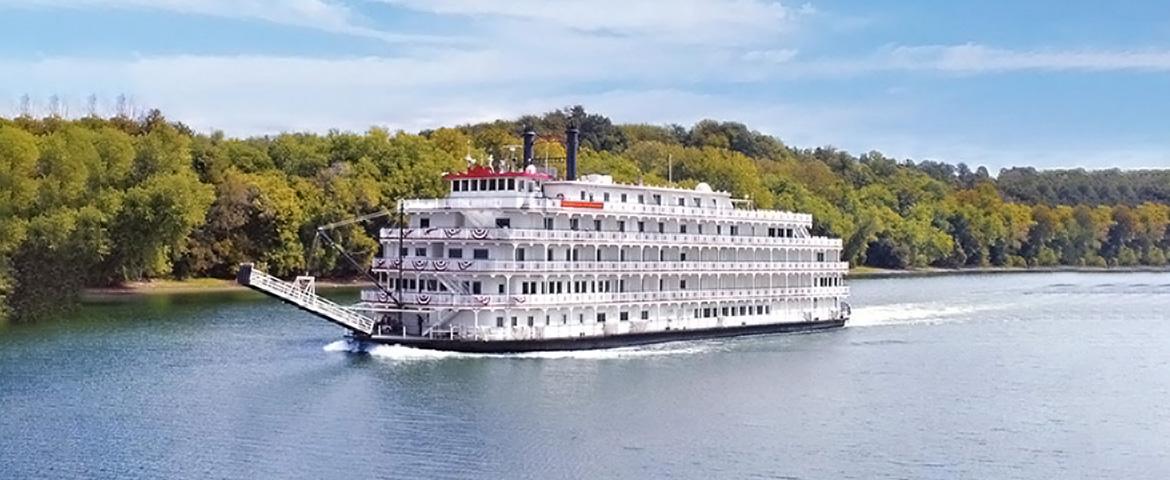
| 6 July | 8 nights | One-way from Memphis TN to New Orleans |
450-628-6241
Call us
|
| 7 July | 7 days | One-way from Memphis TN to New Orleans |
450-628-6241
Call us
|
American Symphony
18 Cruises

Terrene Landing (Cleveland) | Cruise Port Guide
Frequently Asked Questions
At a simple landing in Bolivar County, on the Mississippi River: a ramp, a pavilion, benches and a river overlook. It is one of the few direct public accesses to the great river in the entire state, and there are no shops on site.
No. The landing sits in the middle of farmland with no town beside it. Everything happens by motor coach or shuttle: cruise line vehicles wait at the gangway for the half-hour drive to Cleveland.
About 40 kilometres to the southeast, roughly a thirty-minute drive through cotton and soybean fields.
The classic circuit combines the GRAMMY Museum Mississippi in Cleveland with Dockery Farms, birthplace of Delta blues. A meal stop along Cleveland's main streets rounds out the day nicely.
It is the Mississippi branch of the famous GRAMMY Museum in Los Angeles, located in Cleveland. Interactive galleries trace the history of American music awards and the state's outsized contribution to blues, gospel, soul, rock and country. Visitors can try singing, drumming or mixing.
This former cotton plantation employed Charley Patton, widely considered the father of Delta blues, and saw several other pioneers pass through. The wooden buildings have barely changed in a century, and listening posts play period recordings.
The US dollar and English. Carry some cash: certain rural Delta businesses do not accept all foreign cards.
Yes, if you enjoy music and history. The GRAMMY Museum's interactive stations appeal to teenagers. That said, there is no beach, no theme park and no shop at the landing to entertain younger children.
Spring and fall. In summer, Delta heat and mosquitoes demand water, repellent and light clothing, and make the day considerably harder going.
None: no shop, no restaurant, no ticket counter. Bring what you need before going ashore. Note too that area museums generally close in late afternoon, so visits concentrate in the morning and early afternoon.


