Tunica MS Mississippi
48
Cruises availables
At departure or passage at this port
American Cruise Lines (48 Cruises)
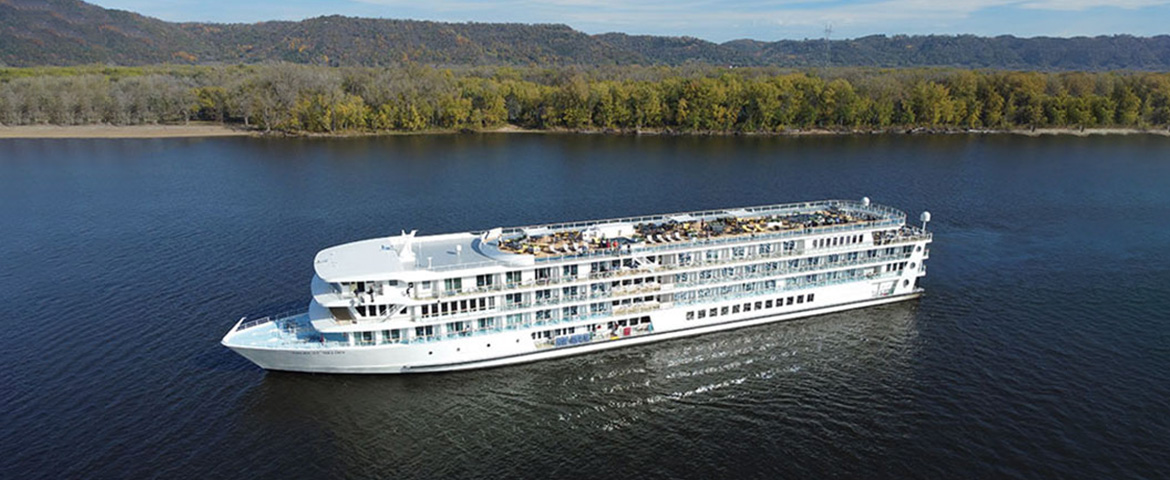
American Melody
12 Cruises

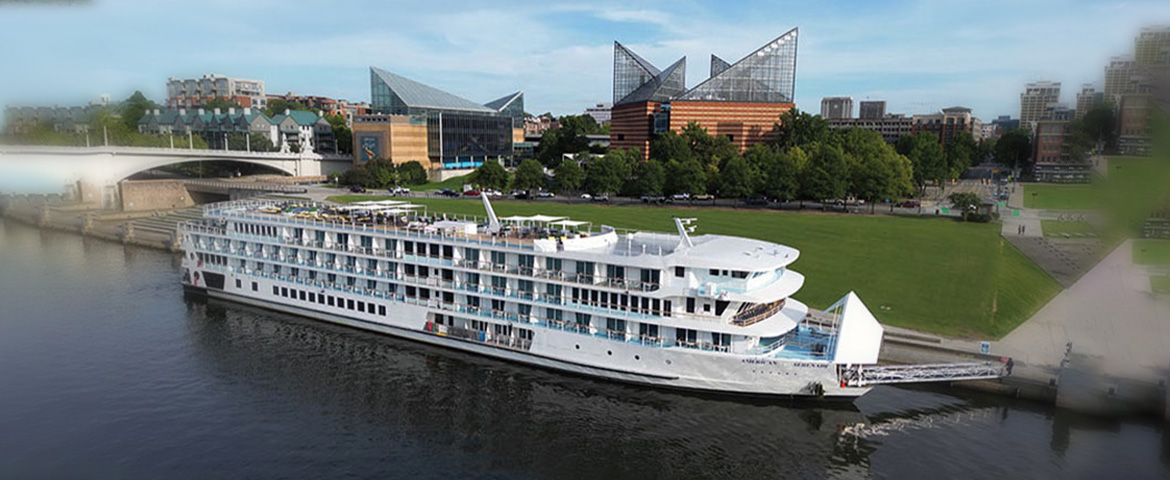
American Serenade
30 Cruises
| 11 June | 22 nights | One-way from New Orleans to Minneapolis-Saint Paul |
450-628-6241
Call us
|
| 12 June | 21 days | One-way from New Orleans to Minneapolis-Saint Paul |
450-628-6241
Call us
|
| 24 September | 15 nights | One-way from Minneapolis-Saint Paul to New Orleans |
450-628-6241
Call us
|
| 25 September | 14 days | One-way from Minneapolis-Saint Paul to New Orleans |
450-628-6241
Call us
|
| 9 June | 22 nights | One-way from New Orleans to Minneapolis-Saint Paul |
450-628-6241
Call us
|
| 10 June | 21 days | One-way from New Orleans to Minneapolis-Saint Paul |
450-628-6241
Call us
|
| 25 August | 15 nights | One-way from Minneapolis-Saint Paul to New Orleans |
450-628-6241
Call us
|
| 26 August | 14 days | One-way from Minneapolis-Saint Paul to New Orleans |
450-628-6241
Call us
|
| 22 September | 11 nights | One-way from New Orleans to Memphis TN |
450-628-6241
Call us
|
| 23 September | 9 days | One-way from New Orleans to Memphis TN |
450-628-6241
Call us
|
| 15 June | 22 nights | One-way from New Orleans to Minneapolis-Saint Paul |
450-628-6241
Call us
|
| 16 June | 21 days | One-way from New Orleans to Minneapolis-Saint Paul |
450-628-6241
Call us
|
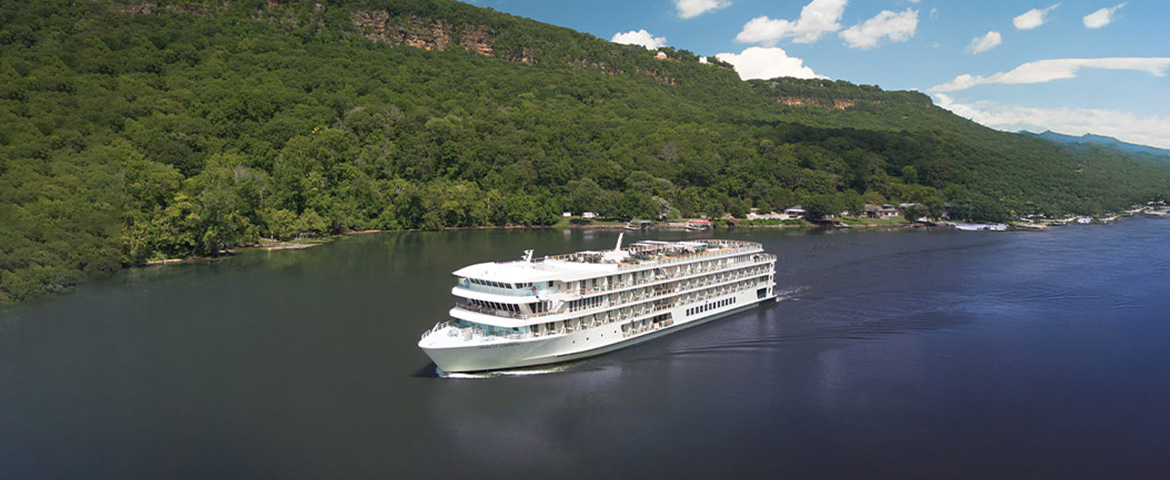

Tunica, Mississippi | Cruise Port Guide
Frequently Asked Questions
At Tunica RiverPark, a riverside park standing alone on the Delta plain about 50 kilometres south of Memphis. No town borders the landing: the Mississippi has the place to itself.
The park itself, yes: the observation deck, the boardwalk trails through the floodplain forest and the interpretive pavilion are all walkable in about an hour. Everything else requires a coach or shuttle.
The RiverPark walk, then a short coach ride to Highway 61 and the Gateway to the Blues Museum. Some passengers simply stay by the water watching the barge tows go by.
A museum housed in an 1895 railway depot moved to the edge of Highway 61. It holds vintage guitars, listening stations, rare documents and even a booth where visitors can record their own track.
It is the legendary Blues Highway linking New Orleans to Memphis. The Delta it crosses gave the world Muddy Waters, Howlin' Wolf and many others, before their music travelled upriver to Chicago.
An observation deck above the current, boardwalk trails through the floodplain forest — herons, turtles and squirrels turn up among the gnarled trunks — and a pavilion devoted to river engineering and local wildlife.
Yes, in the north of the county: a string of casinos that rose out of the fields in the 1990s and became the region's main industry. Their glass towers make an almost unreal contrast with the neighbouring farms. Cruise shuttles serve them on some itineraries.
The US dollar and English. Bring some cash for rural Delta businesses.
Yes, especially for children who like nature: the boardwalk trails and barge-watching go over well. The blues museum appeals more to teenagers and adults. There is no beach and no theme park.
Spring and fall. In summer, Delta heat and humidity weigh heavily on the exposed trails, and floodplain mosquitoes turn insistent late in the day.


