Winona MN Minnesota
76
Cruises availables
At departure or passage at this port
American Cruise Lines (76 Cruises)
American Melody
36 Cruises
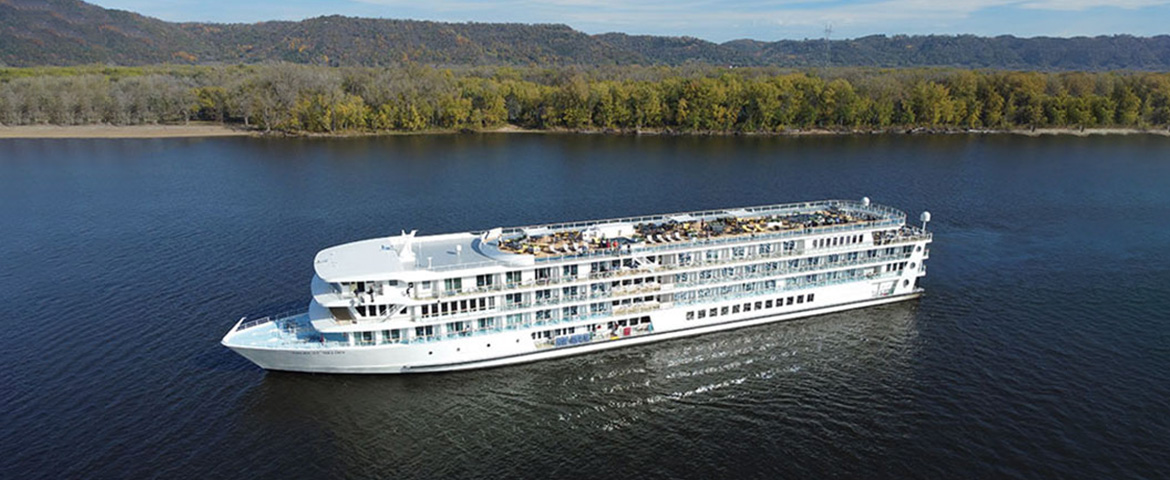

| 4 June | 22 nights | One-way from New Orleans to Minneapolis-Saint Paul |
450-628-6241
Call us
|
| 5 June | 21 days | One-way from New Orleans to Minneapolis-Saint Paul |
450-628-6241
Call us
|
| 30 July | 8 nights | One-way from St Louis MO to Minneapolis-Saint Paul |
450-628-6241
Call us
|
| 31 July | 7 days | One-way from St Louis MO to Minneapolis-Saint Paul |
450-628-6241
Call us
|
| 8 June | 22 nights | One-way from New Orleans to Minneapolis-Saint Paul |
450-628-6241
Call us
|
| 9 June | 21 days | One-way from New Orleans to Minneapolis-Saint Paul |
450-628-6241
Call us
|
American Serenade
34 Cruises
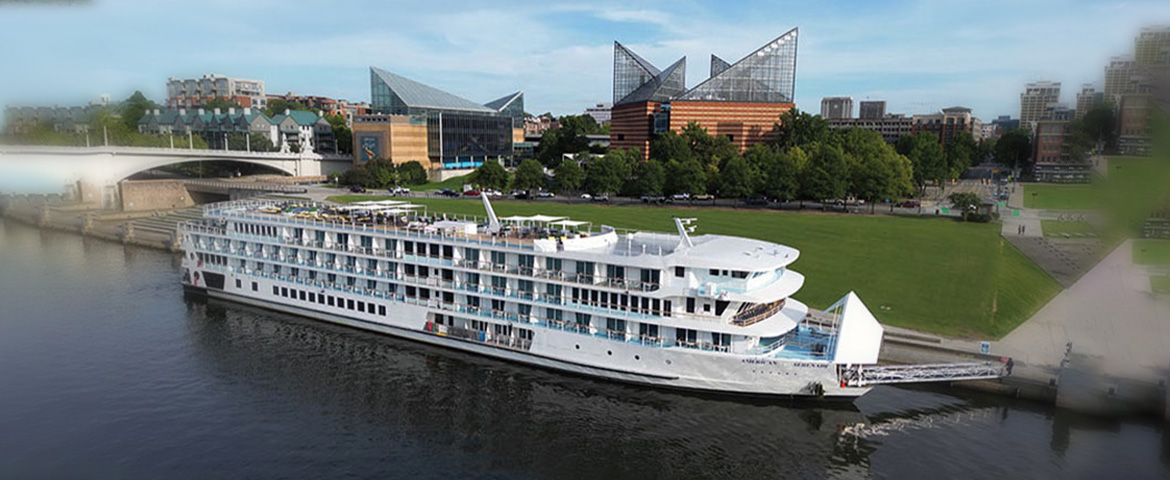
| 11 June | 22 nights | One-way from New Orleans to Minneapolis-Saint Paul |
450-628-6241
Call us
|
| 12 June | 21 days | One-way from New Orleans to Minneapolis-Saint Paul |
450-628-6241
Call us
|
| 9 June | 22 nights | One-way from New Orleans to Minneapolis-Saint Paul |
450-628-6241
Call us
|
| 10 June | 21 days | One-way from New Orleans to Minneapolis-Saint Paul |
450-628-6241
Call us
|
| 15 June | 22 nights | One-way from New Orleans to Minneapolis-Saint Paul |
450-628-6241
Call us
|
| 16 June | 21 days | One-way from New Orleans to Minneapolis-Saint Paul |
450-628-6241
Call us
|

Port of Winona | Cruise Port Guide
Frequently Asked Questions
At Levee Park, right at the foot of downtown: two minutes take you from the gangway to the Victorian streets. It is one of the finest face-to-face settings between a town and its river anywhere on the upper Mississippi.
Yes for the historic downtown, which starts steps from Levee Park. The waterfront art museum is reached by a walk west along the bank; the Garvin Heights overlook, however, needs a few minutes by car.
A bare rock spur crowning the bluff above the rooftops. The Dakota saw in it the bonnet of Chief Wapasha; today's residents call it Sugar Loaf. It serves as a landmark for the whole valley.
The historic downtown and its stained glass on foot, then the Minnesota Marine Art Museum by the water. If time allows, the climb to the Garvin Heights overlook explains the entire geography of the place.
A museum of wooden pavilions and flower gardens set facing the current, specializing in painting connected to water: grand Hudson River School landscapes and Impressionist canvases, shown in intimate galleries. Finding such a collection in a town of 25,000 is one of the Mississippi's real surprises.
Stained glass studios built the small city's reputation and still work today for clients across the continent. Multicoloured windows and ornate terracotta adorn banks, churches and homes — the Merchants National Bank, a Prairie School masterpiece, is the finest example.
A viewpoint more than 150 m up, reached in a few minutes by car. The view takes in the whole valley: the town on its sand spit, Lake Winona filling the old channel, the islands of the floodplain refuge and the ribbon of river running toward Wisconsin.
Watkins, a maker of extracts and remedies, has been based here since 1885, and its vanilla scent lingers in many American memories. Its historic store is worth a stop.
The US dollar and English. Credit cards are accepted throughout downtown.
Yes, though it is not spectacular for young children. The barge tows passing Levee Park, the walk along Lake Winona under the maples and the loons at first light suit quiet families. The stained glass and the art museum appeal mainly to adults.


