Yorktown-Williamsburg VA Virginia

76 Cruises availables At departure or passage at this port

American Cruise Lines (74 Cruises)
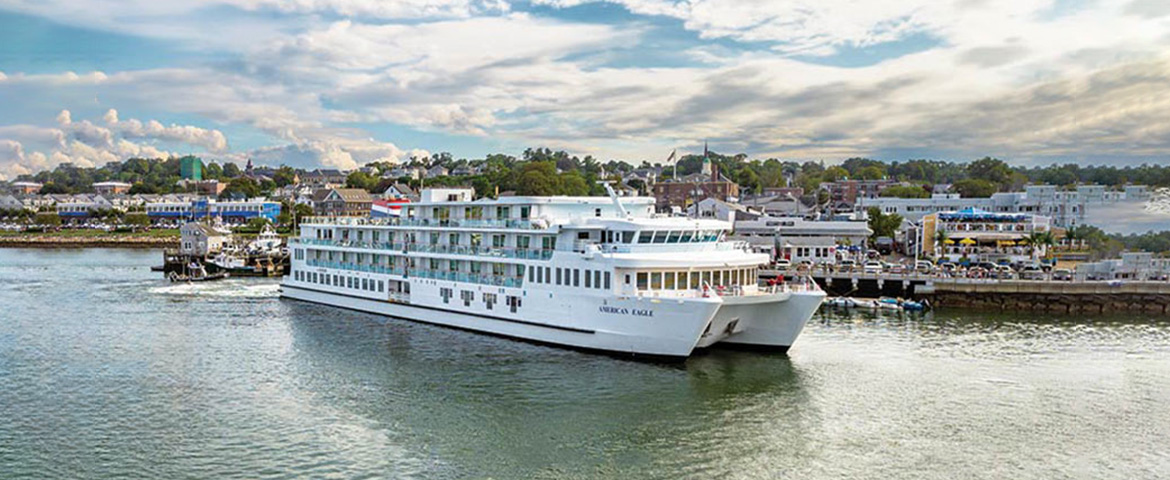
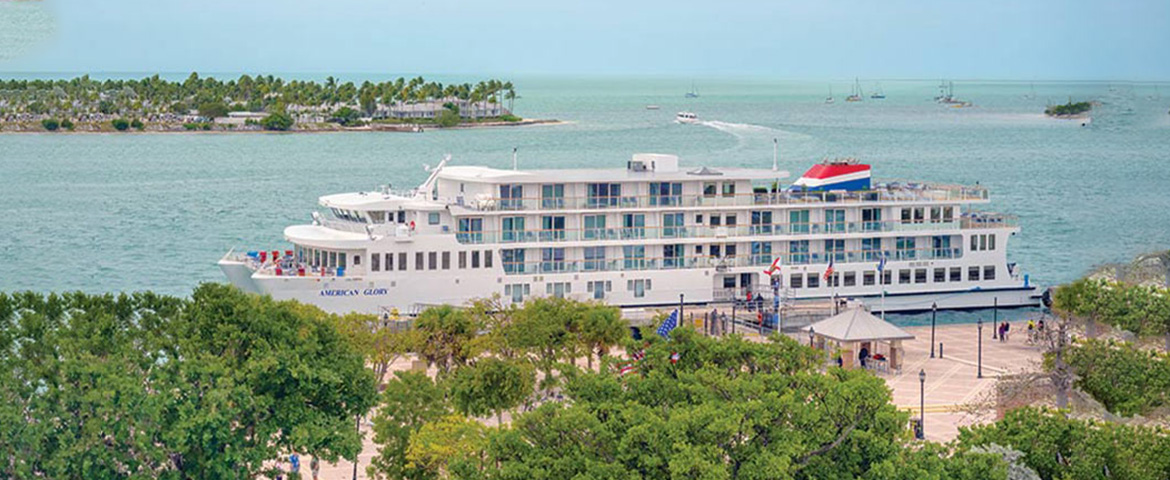
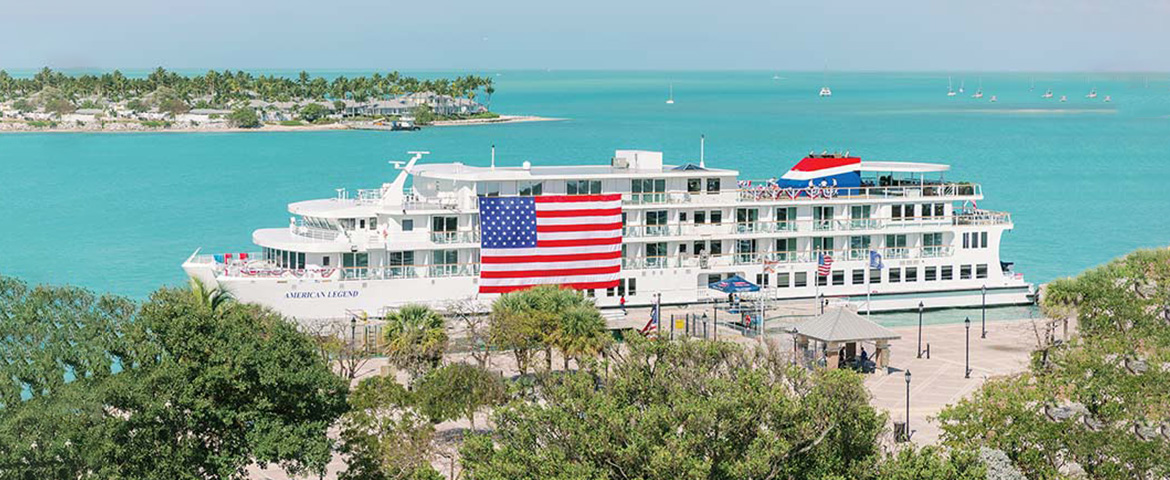
American Legend

Visit the ship's page

Port of Yorktown | Cruise Port Guide

A gently sloping lawn, a few grassy redoubts and a quiet river: it was here, in October 1781, that General Cornwallis's British army laid down its arms, sealing American independence. Yorktown sits on the south bank of the York River, in Virginia, and small coastal and river ships, led by American Cruise Lines, moor right at the foot of the colonial-era town. The call opens the door to the Historic Triangle that brings together Yorktown, Williamsburg and Jamestown, three founding sites of the United States.

Landing in the heart of the village

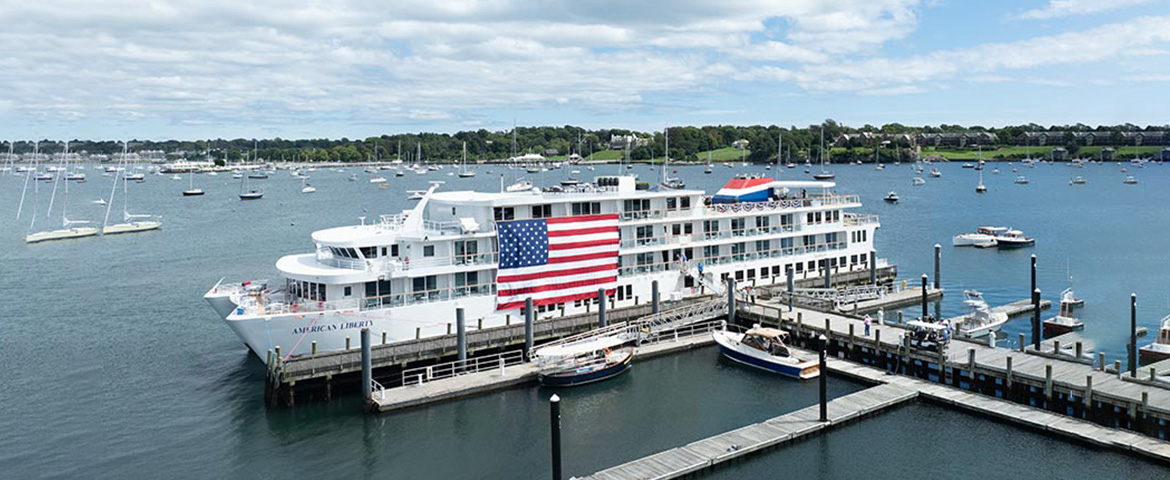
Ships dock at Riverwalk Landing, a riverside promenade lined with shops and outdoor tables, beneath the silhouette of the Coleman Bridge spanning the York. You walk down the gangway and everything begins at once: the public beach stretches a few steps away, the shops on Water Street face the water, and a free trolley links the riverfront to the battlefield sites. Sailing schooners sway along the neighbouring docks, and the smell of grilled oysters drifts from the kitchens by late morning, a discreet reminder that the York has fed this shore for four centuries. A simplicity rare on American itineraries.

Main Street, three centuries up

A short slope climbs from the riverbank to Main Street, where 18th-century homes still stand. The Nelson House, the brick residence of a signer of the Declaration of Independence, still has a cannonball lodged in its façade, a souvenir of the 1781 siege. Farther on rises the Victory Monument, a granite obelisk about thirty metres high crowned with a figure of Liberty. The small Grace Church, built in 1697 of marl stone taken from the nearby bluffs, still serves its parish; its shady churchyard invites you to slow your pace. Heading back down toward the water, you pass the so-called Cornwallis Cave, where the besieged general is said to have taken refuge during the bombardment.

The battlefield

About two kilometres from the dock, the national park visitor centre introduces the siege lines. Redoubts 9 and 10, taken at bayonet point by Franco-American troops, can be reached in a few minutes, and period cannons dot the earthworks. The ground where Washington and Rochambeau forced the surrender can be explored by trolley or on an excursion, in a landscape of meadows and woods that has changed little. Nearby, the American Revolution Museum at Yorktown completes the picture with its galleries, its reconstructed military encampment and its period farm, where costumed interpreters fire their muskets.

Williamsburg, half an hour away

The Colonial Parkway, a scenic road winding between woods and rivers, leads in less than thirty minutes to Colonial Williamsburg, the restored capital of 18th-century Virginia. Its car-free streets line up artisans' workshops, taverns and public buildings, brought to life by interpreters who forge, print and debate as in 1775. Jamestown, the first permanent English settlement in America, founded in 1607, lies even farther along the same road. A day in port requires a choice: most passengers combine the village with one of these two sites, rarely all three. Coach excursions simplify the logistics.

Port of call at a glance

SiteDistance from the dockAccess
Main Street and Victory MonumentLess than 500 mOn foot
Battlefield visitor centre2 kmTrolley, taxi or excursion
American Revolution Museum at Yorktown2 kmTrolley or excursion
Colonial Williamsburg21 kmMotorcoach, 25 to 30 minutes

At the end of the day, many head back down to the beach to walk along the York, ice cream cone in hand, while the low light gilds the piers of the Coleman Bridge. The contrast sums up the place well: a peaceful waterside town and, right behind it, one of the turning points of world history. You return on board with the feeling of having leafed through the first pages of a nation.

Frequently Asked Questions

At Riverwalk Landing, a riverside promenade lined with shops and outdoor tables, under the silhouette of the Coleman Bridge spanning the York. You walk down the gangway and everything begins at once.
Yes for the village. The town beach stretches a few steps away, the Water Street shops face the river, and a short climb leads to Main Street and its 18th-century houses. A free trolley links the waterfront to the battlefield sites.
It was here, in October 1781, that General Cornwallis's British army laid down its arms, sealing American independence. The ground where Washington and Rochambeau forced the surrender can still be walked today.
The village and Main Street on foot, then the battlefield by trolley or excursion. One day forces a choice: most passengers pair the village with either the battlefield or Colonial Williamsburg, rarely all three.
The Nelson House, brick residence of a signer of the Declaration of Independence, which still holds a cannonball lodged in its facade; the Victory Monument, a granite obelisk some thirty metres tall crowned by a figure of Liberty; and little Grace Church, built in 1697 of marl stone quarried from the nearby bluffs.
The national park visitor centre lies about two kilometres from the dock, reachable by the free trolley or by excursion. Redoubts 9 and 10, taken at bayonet point by Franco-American troops, are a few minutes apart, and period cannon punctuate the earthworks.
Yes, in under thirty minutes along the Colonial Parkway, a landscaped road winding between woods and rivers. The car-free streets of the restored capital line up craftsmen's shops, taverns and public buildings brought to life by costumed interpreters.
It lies farther along the same road. It is doable, but it consumes the whole day: the first permanent English settlement in America, founded in 1607, deserves better than a rushed visit. Coach excursions simplify the logistics.
The US dollar and English. Credit cards are accepted throughout Riverwalk Landing and at the historic sites.
Very much so. The town beach steps from the dock, the sailing schooners along the piers and the American Revolution Museum at Yorktown, with its reconstructed military encampment and period farm where interpreters fire muskets, keep children busy effortlessly.