Coche Island Venezuela
Venezuela
Coche Island, Venezuela | Cruise Port Guide
Frequently Asked Questions
Ships anchor offshore and land passengers by tender directly onto the shore. There is no cruise berth: the call begins with your feet in the sand, on the main beach.
Between Margarita Island and the coast of Venezuela. It is a small arid island belonging to the dry islands of the southern Caribbean: ochre earth, scrub, cactus and harsh light, with no rainforest and no green hills.
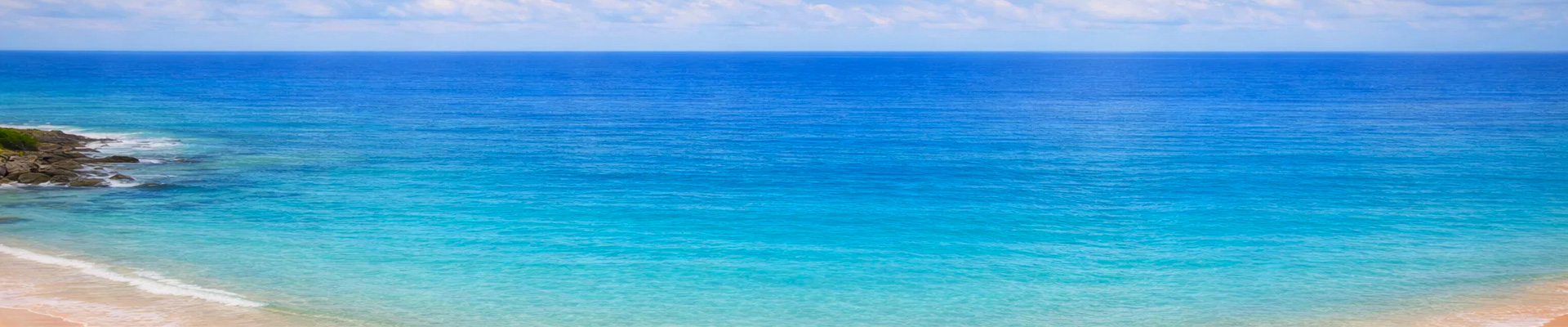
A beach day in the fullest sense, with no monument to tick off and no schedule to keep. The sand is broad and pale, the shallow water shelves gently, and the first reefs can be explored a few dozen metres from shore with a mask on.
For its steady trade winds and almost flat water, which have made it a well-regarded playground for windsurfing and kitesurfing. The wind arrives each afternoon, as reliable as a tide.
Sometimes: equipment and instructors are available on some days, with no guarantee. Most cruise passengers simply watch the ballet of coloured sails from a deckchair, which is already worth seeing in the early afternoon.
Palm-roofed shelters provide shade along the beach, and vendors offer grilled fish, coconuts and crafts. The near-white sand throws back a glare that makes you squint: sunglasses and a hat are not optional.
Very much so. The water shelves so gently that children can paddle far from shore without losing their footing, and the arrangements stay simple. The one point to watch is the sun, particularly harsh on this dry island.
A few fishing villages, including San Pedro de Coche. Residents live first from fishing and, more recently, from welcoming passing visitors: here the sea feeds everyone.
Spanish and the bolívar, Venezuela's currency; the US dollar also circulates widely in the country. Bring cash in small denominations: beach vendors do not take cards.
December to April, the southern Caribbean dry season, when the sea makes tender landings easier. The wind, for its part, blows all year: it is the island's signature, not a seasonal variable.


