The first hybrid, and the summer of 2020
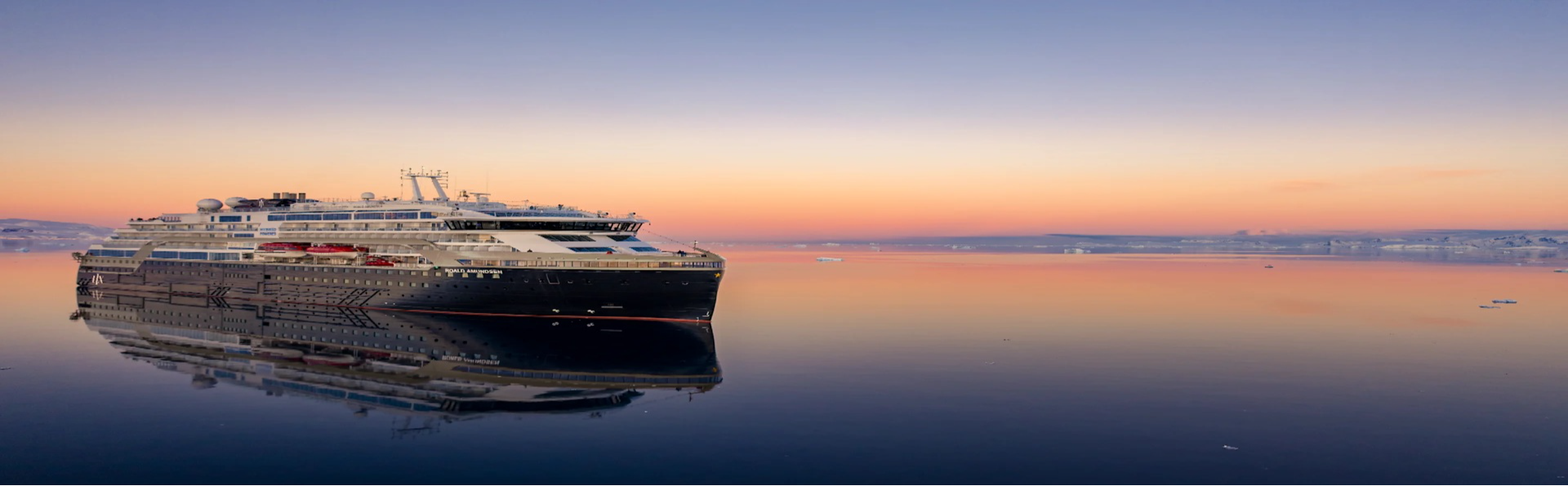
The MS Roald Amundsen was delivered in 2019: hull and superstructure at the
Montex yard in Gdansk, fitting out at Kleven in Ulsteinvik. One hundred and
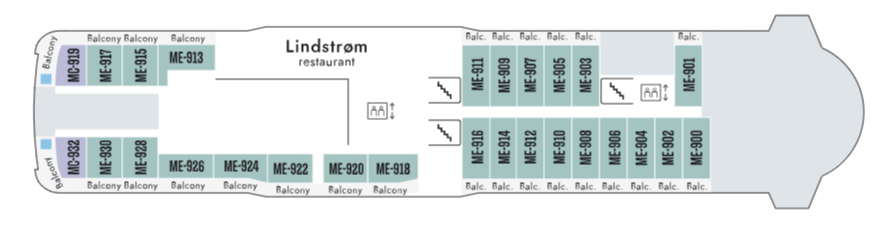
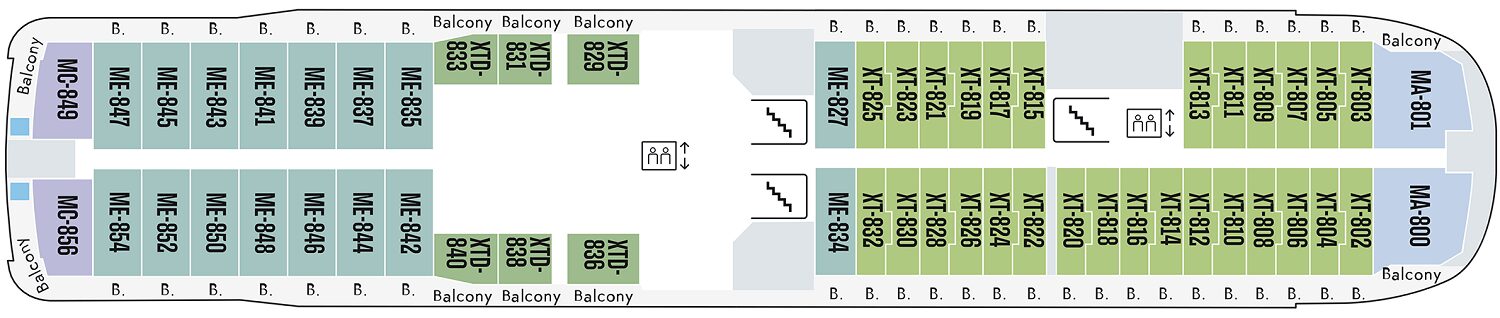
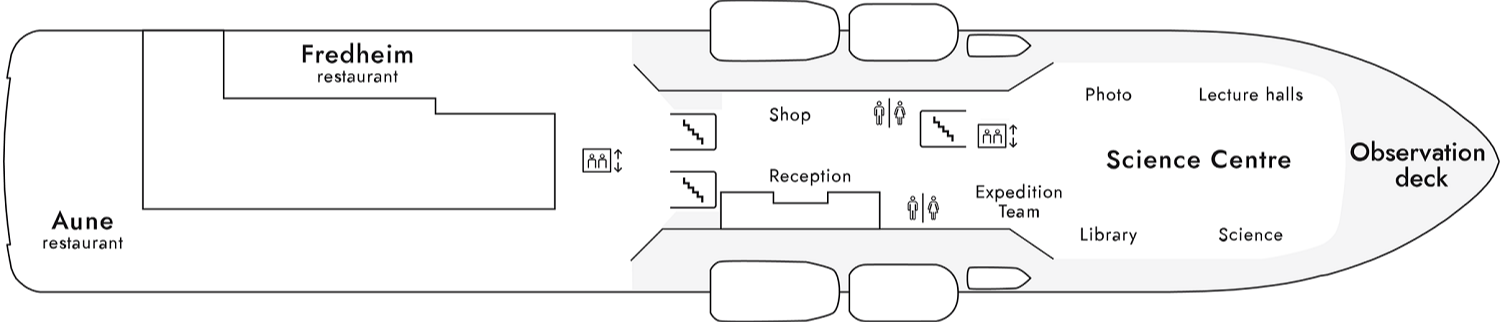
forty metres, twenty-four wide, two hundred and sixty-five cabins, all outside
and half with balconies, five wheelchair-accessible cabins, around one hundred
and fifty crew. Her battery hybrid system allows fully electric propulsion for
about thirty minutes and cuts fuel use and emissions by roughly a fifth.
The operator states four hundred and ninety guests; specialist databases go
beyond five hundred. The gap probably reflects the maximum certificate, but we
do not assert it.
What is on the record
In July 2020 a COVID-19 outbreak aboard affected seventy people, guests and
crew together, on the second expedition after operations resumed. The company
commissioned an independent inquiry, and the report did not spare it:
insufficient risk management, no full assessment before restarting, foreign
crew untested, quarantine poorly applied and poorly taught, confused medical
communication, twelve hours to notify every guest once the positive tests were
known. Some guests had already disembarked and travelled on without knowing
what they had been exposed to.
The chief executive apologised publicly and expeditions were suspended into
2021. Six years have passed and protocols have changed across the industry. We
tell it anyway, because a client searching this ship's name will find it.
What is included, and what the operator says about it
This needs care, because the company is not careful. In March 2024 it
announced all-inclusive fares across the fleet from that November. Its
MS Roald Amundsen page today lists daily excursions, the science centre, meals,
gratuities and drinks, with an asterisk whose footnote appears nowhere on the
page. Its own frequently asked questions reserve gratuities for suite guests
and describe most excursions as optional, booked separately. Its terms and
conditions exclude premium drinks except in suites.
Three texts, three versions. So we promise nothing on its behalf. What is
stable across all three: full board, house drinks at lunch and dinner, tea and
coffee all day. What is not: gratuities, excursions, premium drinks and Wi-Fi,
announced as free but limited, with paid packages beyond that. Ask for the
written list for the departure you choose. It is the only way to know.
Accessibility: what the operator writes
The ships are declared wheelchair accessible, with conditions. Guests bring
their own wheelchair, and it must be no wider than sixty centimetres. The
operator also writes that you must be reasonably agile to board the inflatable
boats, because that is how expedition landings happen, not by gangway. Anyone
who needs help with that transfer should know before booking, not on the day
of the landing.
Rubber boots are provided where they are mandatory, in Antarctica, Svalbard
and East Greenland. Hiking boots are not. Antarctic voyages require a medical
form completed six weeks before departure. The minimum age is five for
Antarctica and Galapagos, and landings for children under twelve are at the
captain's discretion. Nobody may travel who will be twenty-four weeks pregnant
or more by the end of the voyage.
In the fleet
The MS Fridtjof Nansen is her sister,
delivered a year later. The MS Spitsbergen is in
a completely different size class. The full fleet numbers five, against
six at the time of the name change: the missing hull
went back to Hurtigruten in 2024.
Booking from Quebec
The contract for departures sold in the Americas is with HX US Inc, a
Delaware company. It is governed by English law and names the courts of
England to the exclusion of all others. There is no arbitration clause and no
class-action waiver, which serves you better than what several other lines
write. The deadlines are short: two years for personal injury, death or
luggage, one year for everything else. Away from US ports the Athens
Convention caps liability; otherwise it is capped at three times the total
booking price.
The operator also reserves the right to change the route, alter landings,
substitute a ship or cancel for force majeure. On an expedition that is not
boilerplate: ice and wind decide the day more often than the schedule
does.
Nothing establishes a Quebec licence for this operator. Your protection
comes from here: Voyages AquaTerra holds a licence from the Office de la
protection du consommateur, your payments pass through a trust account, and
your departure is covered by the compensation fund for travel agency
customers.