Buccaneer Archipelago Kimberley, Western Australia
Australia
45
Cruises availables
At departure or passage at this port
Emerald Waterways (16 Cruises)
Emerald Xara
16 Cruises
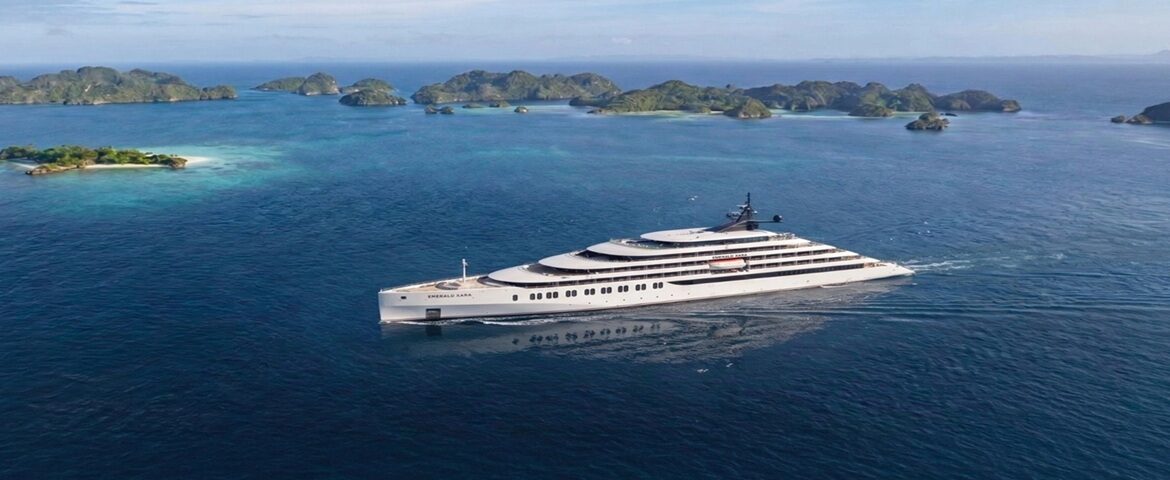

| 24 July | 23 days | One-way from Benoa to Broome, Western Australia |
450-628-6241
Call us
|
| 24 July | 24 days | One-way from Benoa to Broome WA |
450-628-6241
Call us
|
Seabourn Cruise Line (9 Cruises)
Seabourn Pursuit
9 Cruises
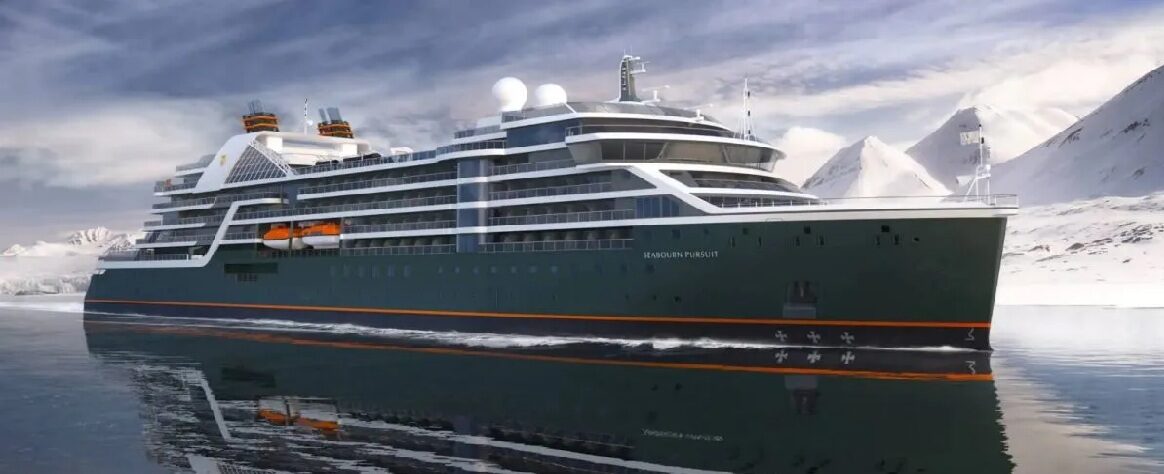

| 8 May | 27 days | One-way from Lautoka to Broome WA |
450-628-6241
Call us
|
| 24 May | 11 days | One-way from Darwin to Broome WA |
450-628-6241
Call us
|
Silversea Cruises (20 Cruises)
Silver Cloud
10 Cruises
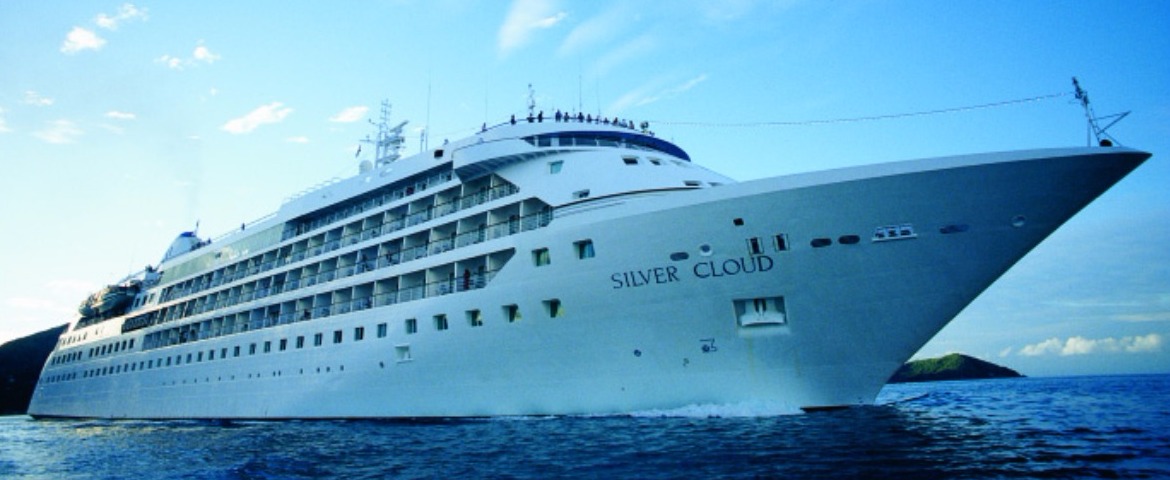

| 15 July | 11 days | One-way from Darwin to Broome WA |
450-628-6241
Call us
|
| 25 July | 11 days | One-way from Broome WA to Darwin |
450-628-6241
Call us
|
Silver Cloud Expedition
10 Cruises
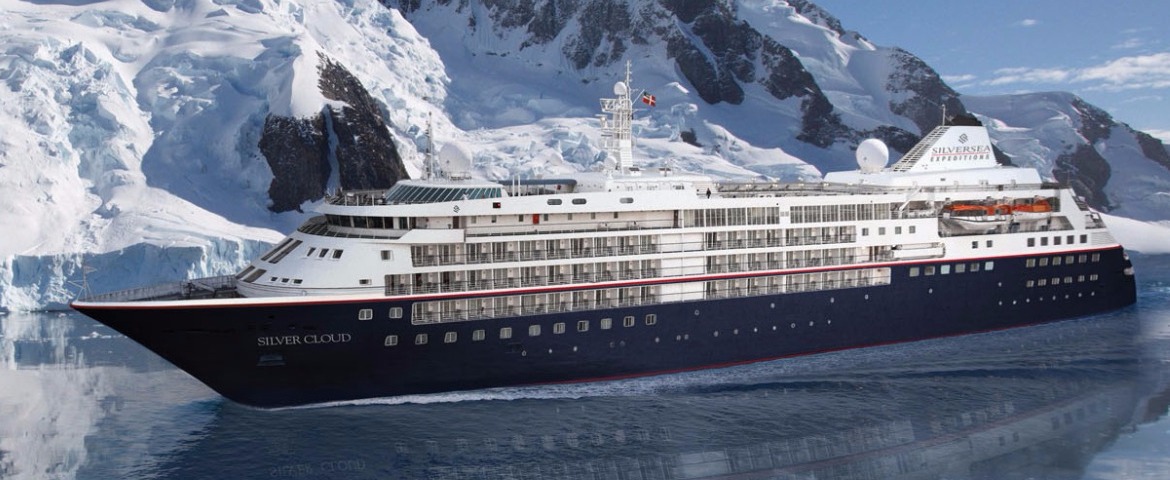
| 15 July | 11 days | One-way from Darwin to Broome WA |
450-628-6241
Call us
|
| 25 July | 11 days | One-way from Broome WA to Darwin |
450-628-6241
Call us
|

Buccaneer Archipelago | Cruise Port Guide
Frequently Asked Questions
Off the Kimberley coast in Western Australia : a thousand red sandstone islands set in waters swept by formidable currents. There is no port and no road; only expedition ships out of Broome work their way in, with zodiacs.
Because the waters of the vast King Sound rise and fall with one of the greatest tidal ranges on the planet. In the narrow passages the current can exceed ten knots and carve whirlpools a metre deep.
Two narrow gaps cutting through the sandstone ridges, where the tide pours in faster than it can drain. The water forms genuine marine rapids, a waterfall lying on its side that reverses when the tide turns. Ships approach by fast boat.
Never in the sea : these waters hold saltwater crocodiles. Crews sometimes organize a freshwater swim at Crocodile Creek, where water falls from the rock, only at points cleared by the crew.
More than two billion years. The rock formed long before any complex life, and David Attenborough described the region as an eighth natural wonder of the world.
A stretch north of the archipelago where the water winds between islands of dark red rock veined with iron ore. Cliffs drop straight into green sea and sea eagles wheel above the zodiacs.
No. Landings depend entirely on tides and currents, and the day's itinerary is decided on board. The landscape changes twice a day : no passage is ever quite like the last.
A hat, light long sleeves and a water supply on every outing. The Kimberley heat and sun do not forgive improvisation.
A cape many itineraries pass on the way back to Broome, where red cliffs meet pale beaches in a contrast that sums up the whole coastal Kimberley. Evening light sets the stone ablaze.
From Broome, Western Australia. Only small expedition ships can navigate these passages, where captains read the tide table the way others read a road map.


