Lacepede Islands Kimberley, Western Australia
Australia
49
Cruises availables
At departure or passage at this port
Emerald Waterways (16 Cruises)
Emerald Xara
16 Cruises
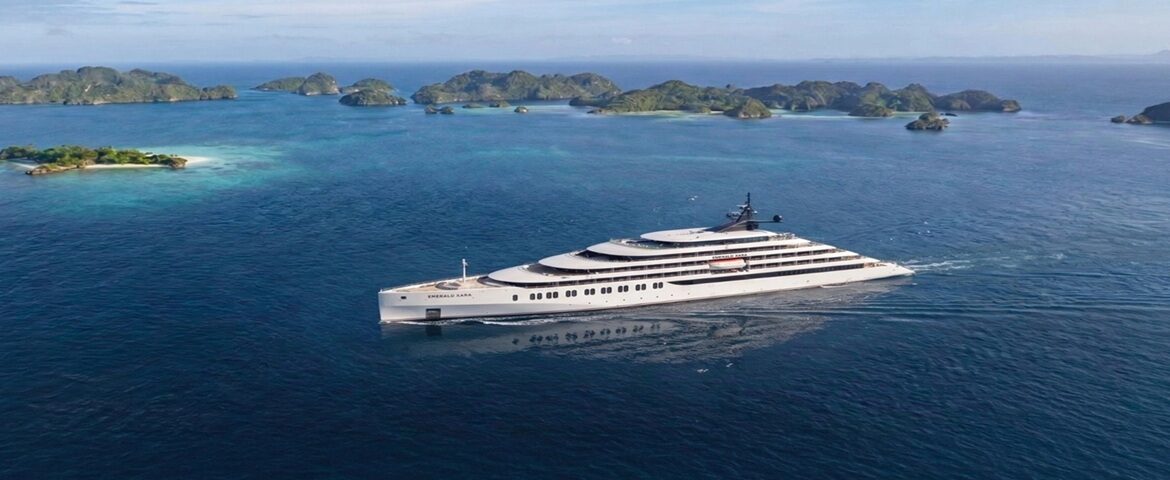

| 24 July | 24 days | One-way from Benoa to Broome WA |
450-628-6241
Call us
|
| 24 July | 23 days | One-way from Benoa to Broome, Western Australia |
450-628-6241
Call us
|
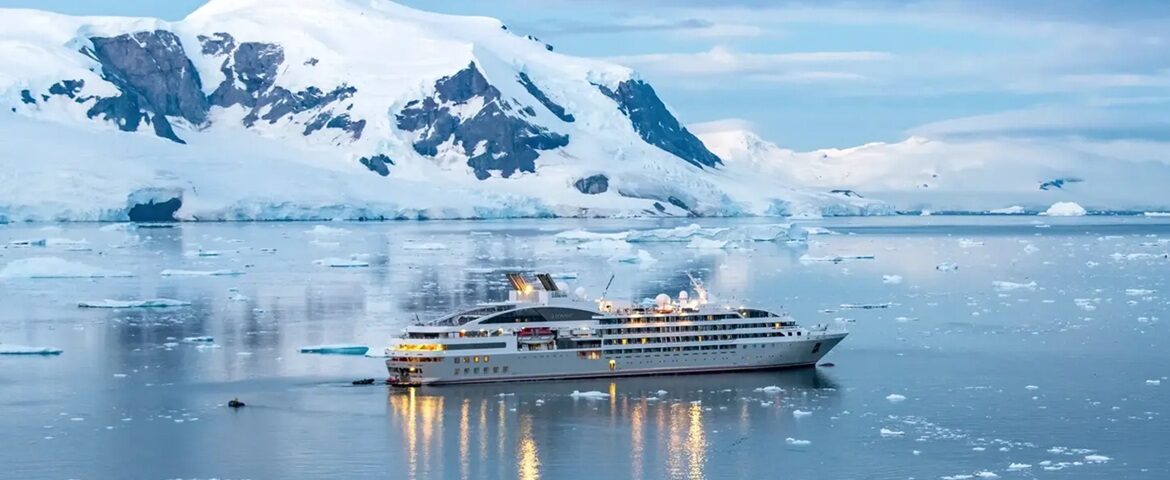
Ponant (29 Cruises)
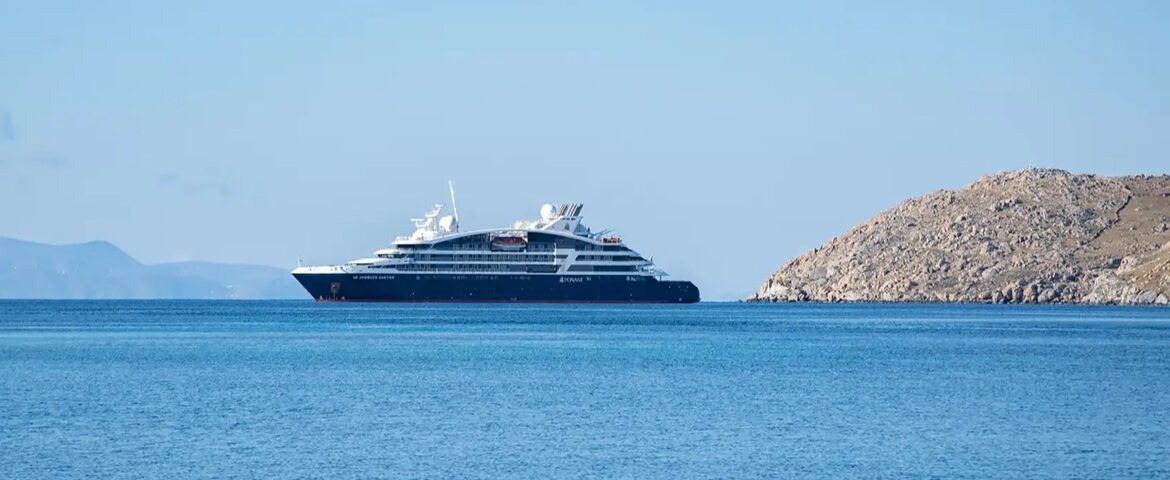
Le Jacques Cartier
18 Cruises

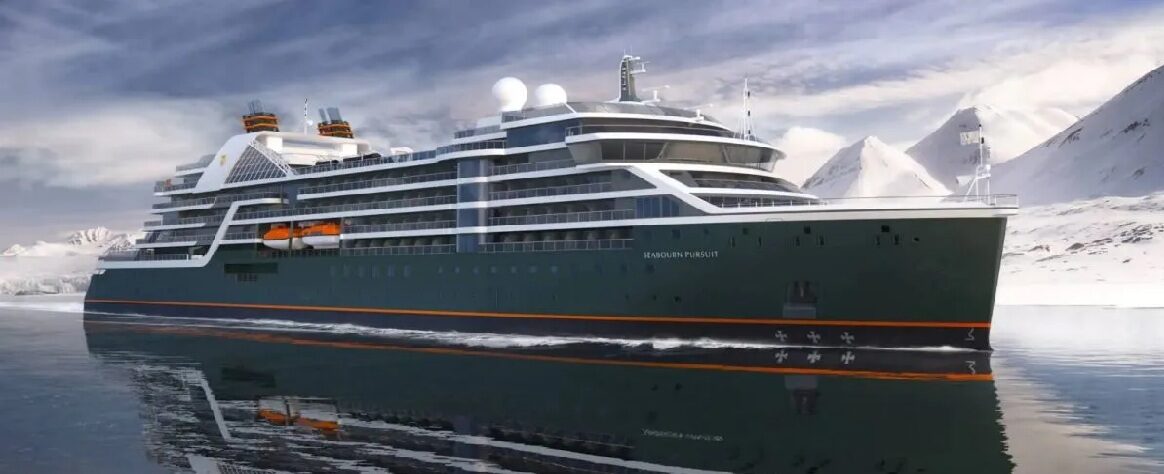
Seabourn Cruise Line (4 Cruises)


Lacepede Islands, Australia | Cruise Port Guide
Frequently Asked Questions
No, landings are prohibited. That is exactly what makes the place valuable: this chain of low islets off the Kimberley coast, north of Broome, belongs first to the nesting colonies and the turtles. The entire outing is by zodiac.
Entirely by inflatable boat, along the lagoons and channels between the sandbanks, usually in small groups with a naturalist. Guides often cut the engine and let the scene speak for itself.
A brown booby colony regarded as one of the largest in the world, possibly the largest: thousands of birds cover the sand ridges. Alongside them nest or pass Australian pelicans, lesser frigatebirds, masked boobies, reef egrets and several tern species.
Often, yes. The channel between West Island and Middle Island concentrates food and draws green turtles in numbers: the Lacepedes are the most important breeding site for the species in Western Australia. The golden rule is that the animal sets the distance.
Because the landing ban protects nests during the breeding season. BirdLife International has listed the group as an Important Bird Area, and as many as 20,000 roseate terns have been counted here.
Swell and tide. The Kimberley's huge tides redraw the shorelines hour by hour and dictate the route; exact times are confirmed the evening before by the expedition team.
Hat, sun protection and covering clothes, essential under this tropical sun even on a short trip. Binoculars and a decent long lens transform the experience: the nesting birds won't pose twice.
No. The boats are stable and accessible, and guides help everyone aboard. There is no walking and no landing involved, which makes it one of the physically easiest expedition outings.
Almost always an expedition voyage between Broome and Darwin, along one of the least populated coasts on the planet. No wharf, no dwelling: just pale sandbanks, fish-rich water and tens of thousands of wings.
Because the density of life there exceeds that of many better-known sites. Many rank the morning among the highlights of their voyage, precisely because it resembles nothing else: here you are a spectator, never a visitor.


