Macquarie Island Tasmania Australia
Australia
6
Cruises availables
At departure or passage at this port
Aurora Expeditions (1 Cruises)
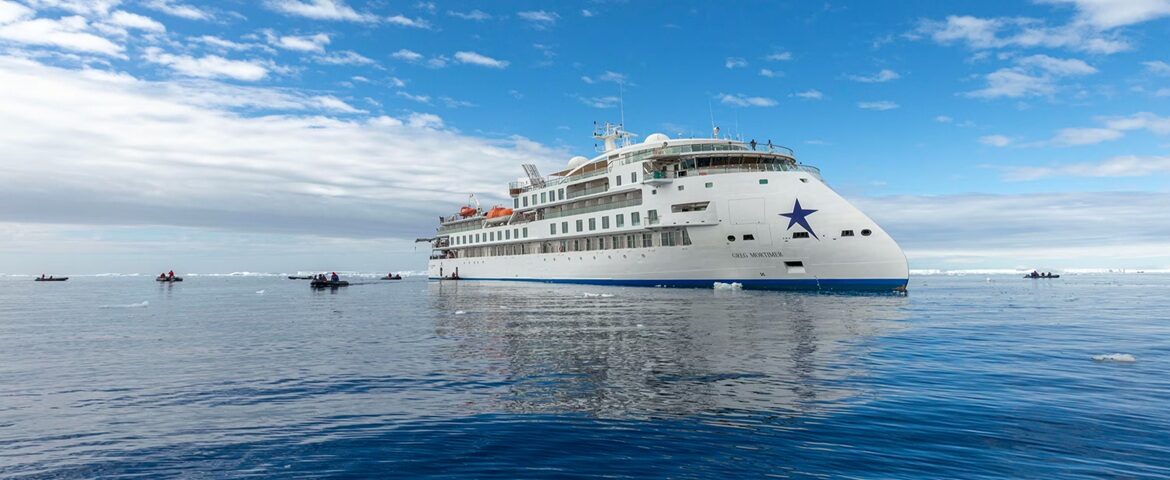

Lindblad Expeditions (2 Cruises)

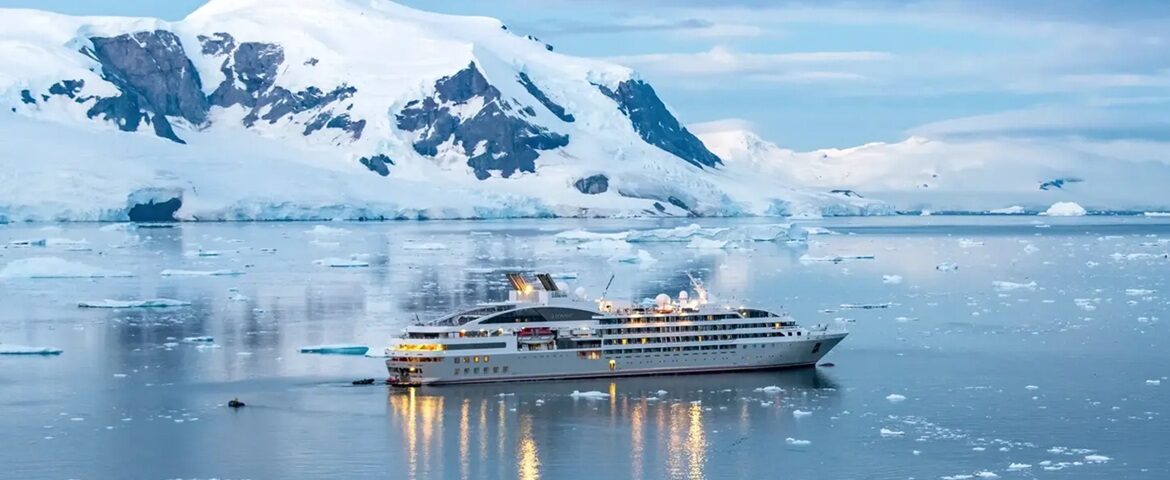
Ponant (3 Cruises)

Macquarie Island, Australia | Cruise Port Guide
Frequently Asked Questions
Far out in the Southern Ocean, roughly halfway between Tasmania and Antarctica. Administratively part of Tasmania, it resembles no other South Pacific destination.
By inflatable boat, stepping into the water: there is no wharf. Landings only go ahead when swell and wind allow, under strict supervision from the expedition team and park rangers.
Chiefly because it exposes rocks from the Earth's mantle at the surface, a geological rarity. The richness of its animal colonies completes the case.
The most common landing site: on a beach of shingle and sand, king penguins, royal penguins and gentoos mix among elephant seals slumped in tight groups. Young seals sometimes approach visitors with disarming curiosity.
The island is thought to host up to four million penguins. Lusitania Bay alone holds the island's largest king penguin colony, more than 100,000 birds, and Hurd Point the world's largest royal penguin colony.
No. Inflatables run along the shore at idle speed, in front of a tide of black and gold shapes covering the beach up to the slopes. All viewing is done from the water.
Yes, on the northern isthmus, permanently staffed since the 1940s. Depending on permissions at the time, some expeditions allow a closer look at the facilities and a conversation with the teams studying climate, wildlife and the ocean.
High boots, waterproof trousers and layered clothing, supplied or required by expedition operators, because landings are wet. Before every outing, crew vacuum pockets and scrub boot soles so no seed or foreign soil reaches the island.
No, and it's worth knowing before you book. Wind, swell and rain dictate the programme: a landing may be replaced by a zodiac cruise or delayed by hours. Expedition operators never promise a specific site.
You watch. Albatrosses and petrels follow the ship, and binoculars rarely leave passengers' hands. These sailing days are part of the voyage, not a wait between calls.


