Portland Victoria Australia
Australia

17 Cruises availables At departure or passage at this port

Portland, Victoria | Cruise Port Guide

Every state has its starting point. Victoria's is here, on the shores of Portland Bay, where the Henty family established in 1834 the first permanent European settlement in what would become the most densely populated state in Australia. Long before Melbourne and its towers, there was this shore swept by the winds of Bass Strait, with its whalers and stone warehouses. Today's town, still modest, cultivates this precedence with quiet pride, and the ship is often the only one in port, a luxury that has become rare on Australian itineraries.

A wharf steps from downtown

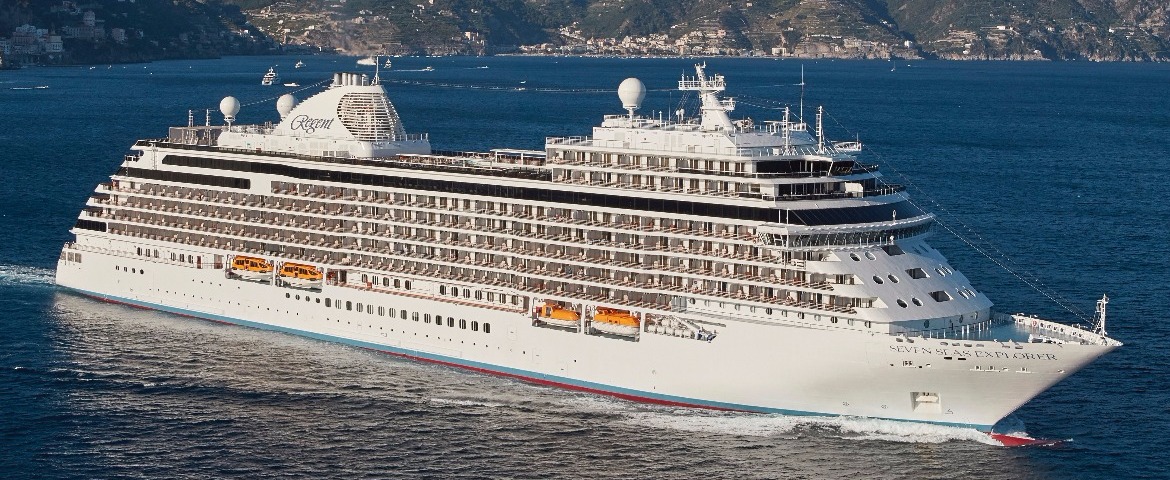
The deepwater port, still busy with log and aluminium freighters, welcomes cruise ships a few minutes from downtown. The main streets can be reached on foot or by a short shuttle, and the waterfront visitor centre hands out maps and advice with the enthusiasm of small towns welcoming important guests.

The memory of the whalers

At the Maritime Discovery Centre, on the esplanade, a complete sperm whale skeleton greets visitors, a reminder of the era when whaling made the bay's fortune. Models, shipwreck stories and navigation instruments trace two centuries of maritime history, including the role of the local lifeboat in the wreck of the Admella, the founding tragedy of this coast. As history would have it, southern right whales, once hunted, now return to give birth in the bay every southern winter, watched through the binoculars of residents turned friendly lookouts.

Bluestone and the waterfront tram

The centre retains a fine ensemble of bluestone buildings, the dark basalt typical of Victoria: customs houses, courthouses and mid-19th-century cottages make up streets of strong character, and several of these venerable façades now house cafés and galleries. A heritage tram with restored period cars runs along the waterfront, linking the botanic gardens, established as early as 1857, to the docks district; the narrated ride is a perfect introduction. The gardens' dahlia beds and their stone caretaker's cottage are worth a stop.

The capes, grand neighbours

The immediate surroundings hold the port call's most spectacular landscapes. At Point Danger, right on the edge of town, an observation platform overlooks Australia's only mainland colony of Australasian gannets: hundreds of white birds nest a few dozen metres from visitors before diving like arrows into the waters offshore. At Cape Nelson, a quarter of an hour away by road, an 1884 white lighthouse stands above cliffs where the Southern Ocean swell explodes. A little farther on, Cape Bridgewater holds a strangely shaped petrified forest and a fur seal colony you can watch from the trails on the headland, a concentrate of wild nature accessible on an organized excursion or by taxi.

A few practical notes

The Bass Strait climate changes quickly: wear layers and keep a windbreaker close at hand, even in sunshine. The cafés on Percy Street serve hearty Australian lunches, and local craft shops offer wool and regional products. Whale watchers can check the board kept up to date by the visitor centre, which lists the day's sightings in the bay during the cold season.

At departure, the ship skirts the dark cliffs of Cape Nelson one last time. Portland does not raise its voice; it calmly tells the story of the beginnings of a state, between a sperm whale skeleton, diving birds and Victorian gardens. Discreet ports of call are sometimes the ones people talk about most at supper on board.

Frequently Asked Questions

At the deep-water port, still working with its log and aluminium carriers, a few minutes from the town centre. The main streets are reached on foot or by a short shuttle.
Because the Henty family established here in 1834 the first permanent European settlement in what would become the state of Victoria. Long before Melbourne and its towers, there was this shore swept by Bass Strait winds, its whalers and its stone warehouses.
A complete sperm whale skeleton greets visitors, a reminder of the era when whaling made the bay's fortune. Models, shipwreck accounts and navigation instruments trace two centuries of maritime history, including the local lifeboat's role in the Admella disaster.
Yes, in the southern winter: southern right whales, once hunted here, now return to calve in the bay. The visitor centre keeps an updated board showing which whales are in the bay during the cold season.
A viewing platform at the edge of town overlooking Australia's only mainland colony of Australasian gannets. Hundreds of white birds incubate within tens of metres of visitors before diving headlong into the open water.
An 1884 white lighthouse standing above cliffs where the Southern Ocean swell explodes, fifteen minutes away by road. A little further, Cape Bridgewater holds a petrified forest of strange shapes and a fur seal colony visible from the headland trails.
Yes, with restored period cars running along the waterfront between the botanic gardens, established in 1857, and the wharf precinct. The commentated ride is a perfect introduction to the call.
The Maritime Discovery Centre, the waterfront tram to the botanic gardens, a wander through the bluestone streets, then Point Danger and its gannet colony. The capes need an excursion or a taxi.
The dark basalt typical of Victoria, used to build the customs house, courts and mid-19th-century cottages. Several of those venerable facades now hold cafés and galleries, and the whole gives the streets a strong character.
Dress in layers and keep a windproof jacket handy, even in sunshine: Bass Strait weather changes fast. The cafés on Percy Street serve solid Australian lunches to restore you.