Ybbs an der Donau Austria
Austria
240
Cruises availables
At departure or passage at this port
Avalon Waterways (222 Cruises)
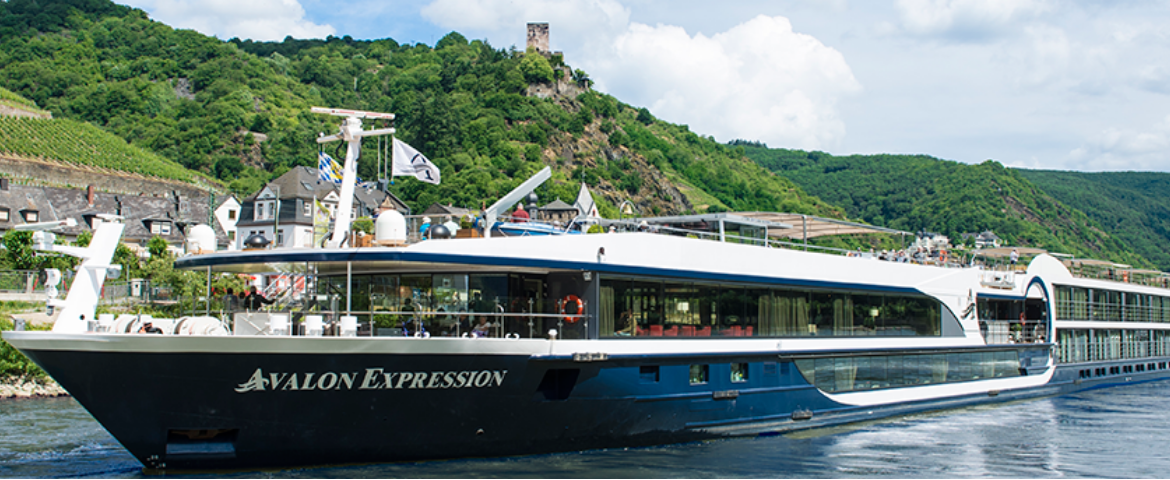
Avalon Expression®
43 Cruises

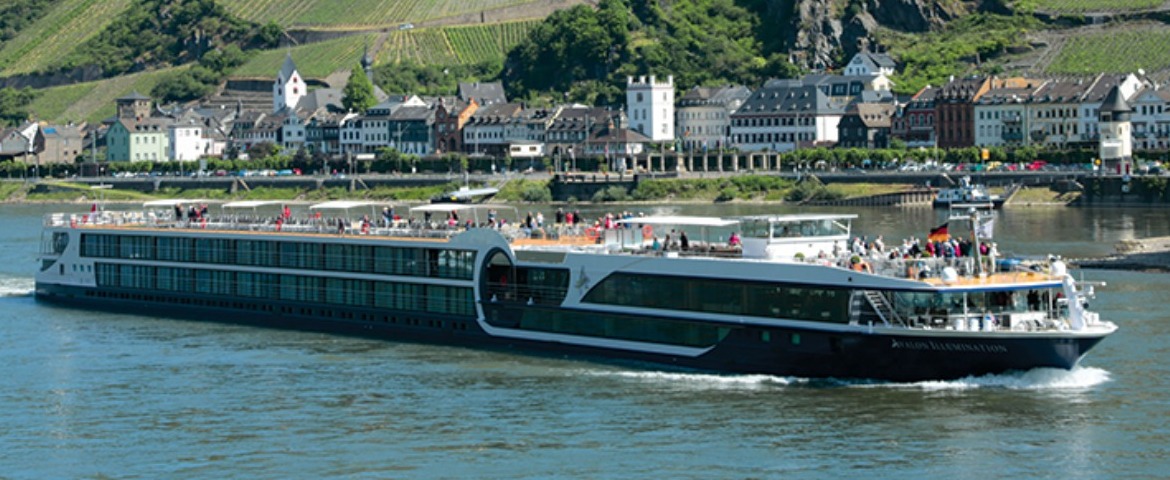
Avalon Illumination®
42 Cruises
| 21 March | 7 nights | One-way from Budapest to Vilshofen an der Donau |
450-628-6241
Call us
|
| 21 March | 9 nights | One-way from Budapest to Prague |
450-628-6241
Call us
|
| 6 June | 9 nights | One-way from Prague to Budapest |
450-628-6241
Call us
|
| 8 June | 7 nights | One-way from Vilshofen an der Donau to Budapest |
450-628-6241
Call us
|
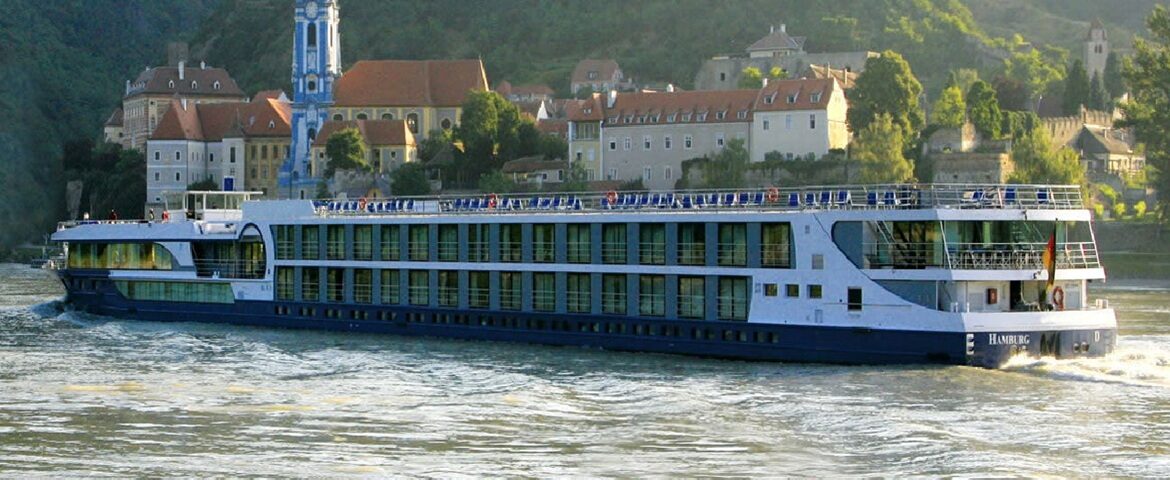
Avalon Imagery II®
42 Cruises
| 26 May | 9 nights | One-way from Budapest to Prague |
450-628-6241
Call us
|
| 26 May | 7 nights | One-way from Budapest to Vilshofen an der Donau |
450-628-6241
Call us
|
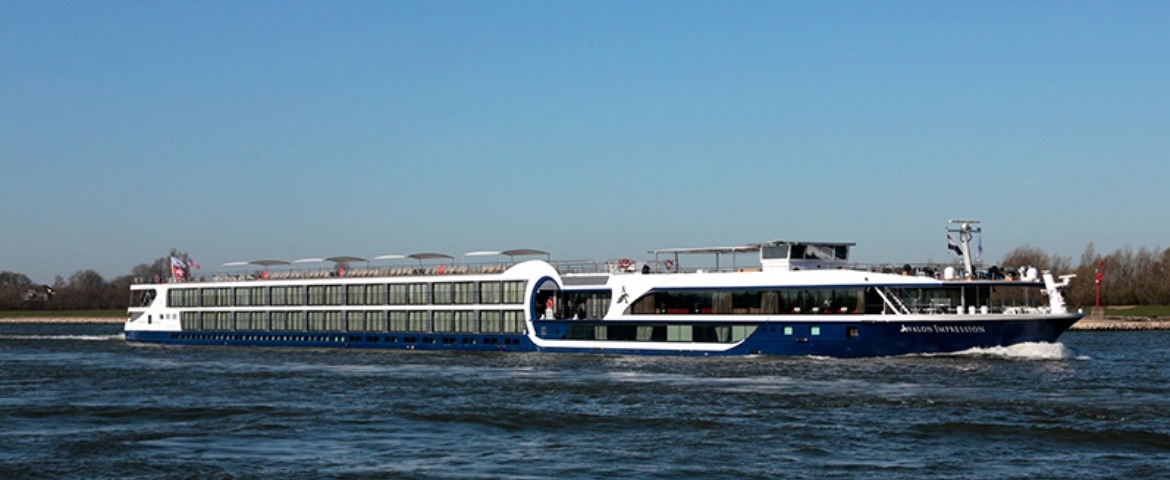
Avalon ImpressionSM
40 Cruises
| 3 May | 9 nights | One-way from Prague to Budapest |
450-628-6241
Call us
|
| 5 May | 7 nights | One-way from Vilshofen an der Donau to Budapest |
450-628-6241
Call us
|
| 12 July | 9 nights | One-way from Prague to Budapest |
450-628-6241
Call us
|
| 14 July | 7 nights | One-way from Vilshofen an der Donau to Budapest |
450-628-6241
Call us
|
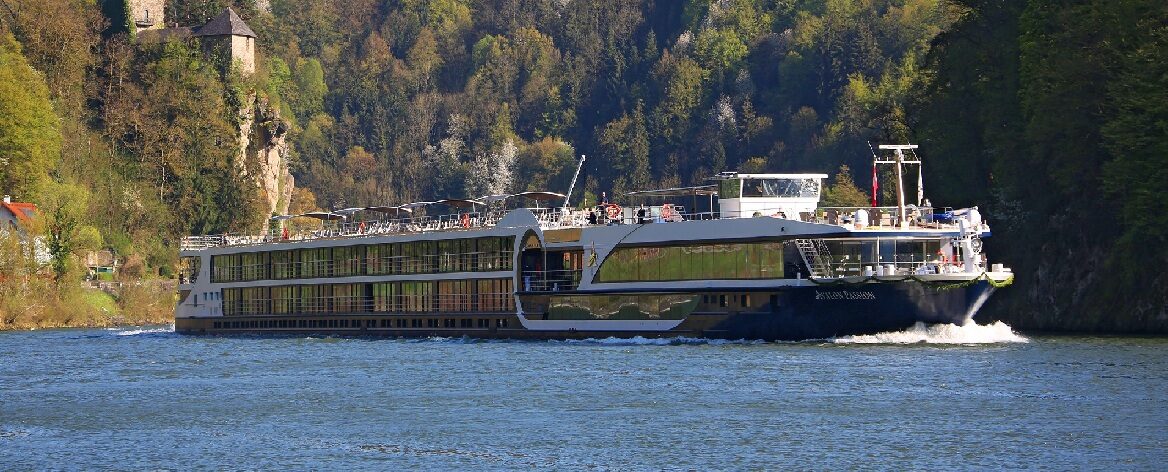
Avalon Passion®
9 Cruises
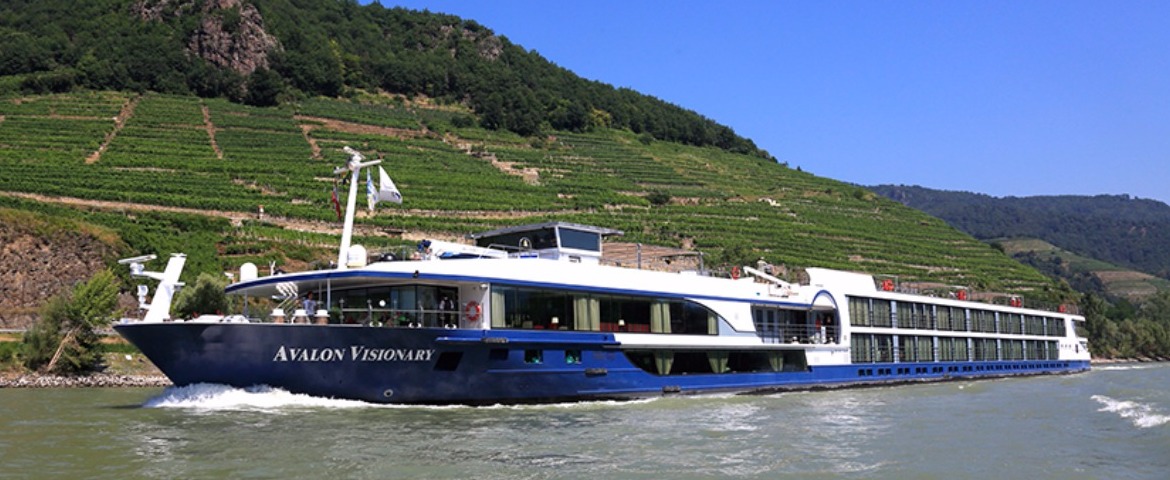
Avalon Visionary®
46 Cruises
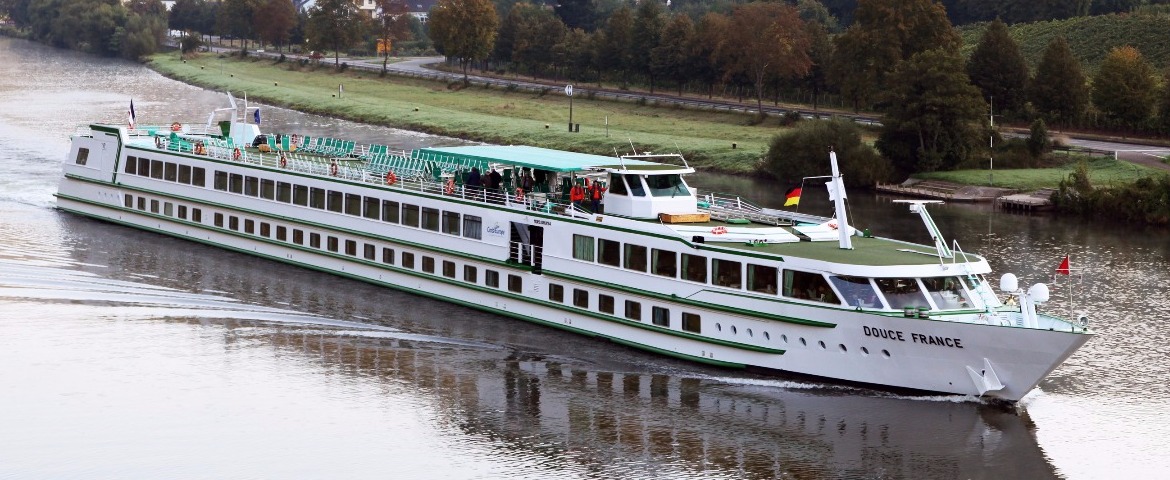
CroisiEurope (18 Cruises)

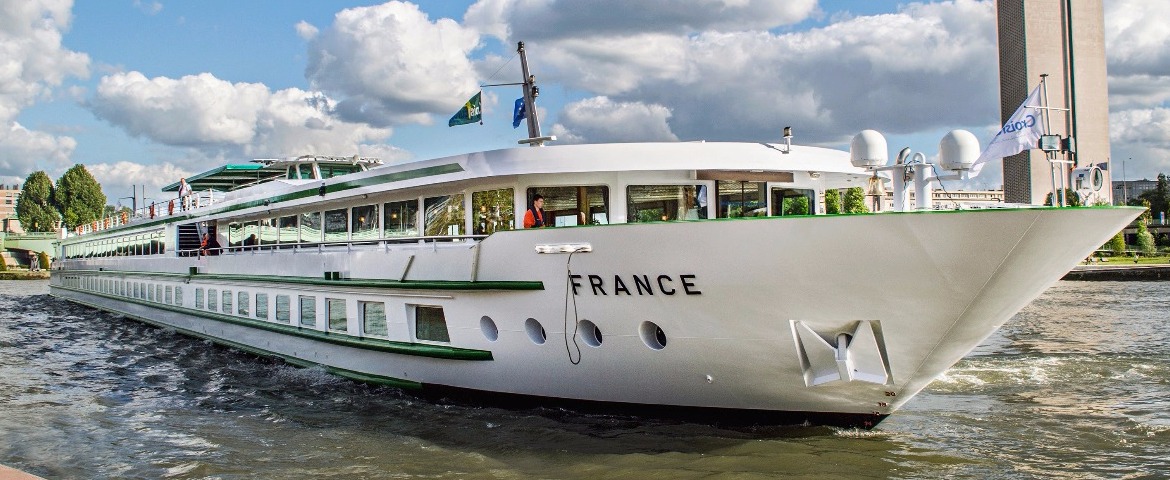
MS France
9 Cruises
| 9 July | 10 nights | Round-trip from Passau, Germany |
450-628-6241
Call us
|
| 14 July | 5 nights | One-way from Budapest to Passau |
450-628-6241
Call us
|
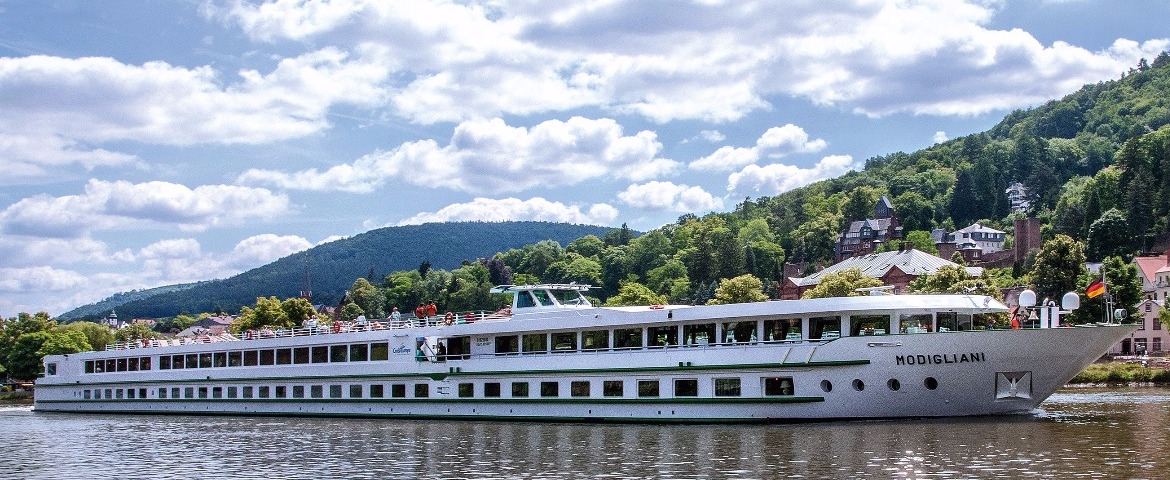
MS Modigliani
6 Cruises

Port of Ybbs an der Donau | Cruise Port Guide
Frequently Asked Questions
At the riverbank, a couple of steps from the first facades. The old centre is a few minutes away on foot, with no shuttle.
The bicycle museum, St Lawrence church with its Gothic chancel, a wander through the inner courtyards with a terrace break, then the riverside promenade facing the river traffic.
A collection of hobby horses, penny-farthings and bicycles from every era, housed in a building in the old centre. It traces a century and a half of ingenuity, from the first pedal-less machines to streamlined frames.
Because the cycle path linking Passau to Vienna runs through the town. In fine weather Ybbs takes on the air of a staging post where cycle tourists compare the day's mileage, panniers open and maps unfolded.
Yes, one of Austria's oldest riverside towns. Chronicles mention the site as early as the Early Middle Ages and it received its town charter in the early 14th century. Its fortune came from the water: goods transhipped, tolls collected, boatmen lodged.
The stretch of river preceding the Wachau, named after the Song of the Nibelungs, whose heroes are said to have travelled up these banks toward the court of the Huns. Ybbs is one of its gateways.
The first large run-of-river power station on the Austrian Danube, blocking the river upstream of the town with its long concrete silhouette. Children count the barges passing through the lock; adults gauge the quiet force of the current.
Yes. The old centre, the bicycle museum and the riverside promenade are all a few minutes from the quay.
The euro and German. Cards work in cafes and at the museum; some cash remains handy for small shops in the centre.
Rather well for a Danube call. The bicycle museum, the barges passing through the lock and the riverside promenade keep children occupied with no organising required.


