Mina Salman-Manama Bahrain, Khalifa Bin Salman Port
Bahrain

109 Cruises availables At departure or passage at this port

Celestyal Cruises (42 Cruises)

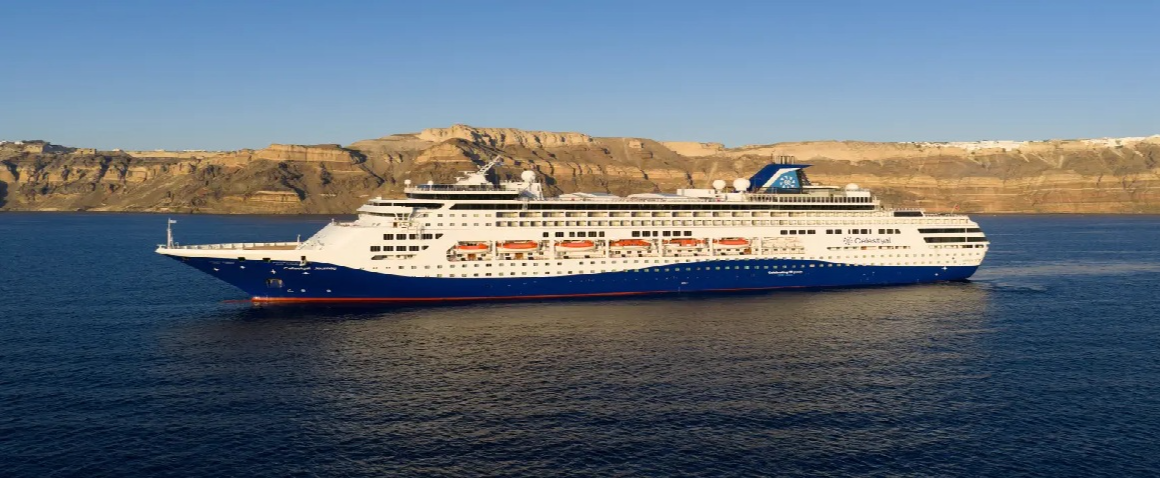
Celestyal Journey1

Celestyal Journey

Visit the ship's page

MSC Cruises (50 Cruises)

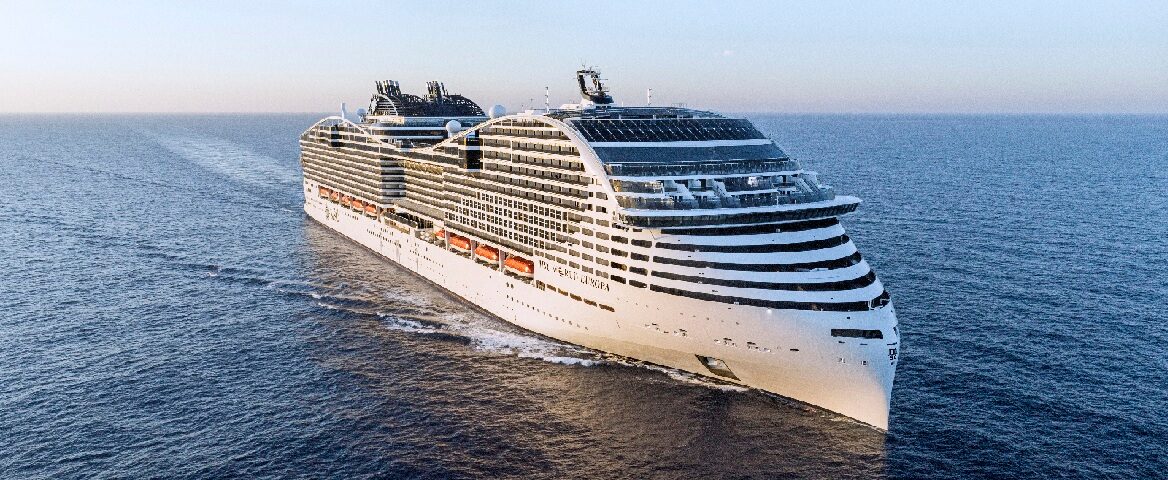
MSC World Europa3

MSC World Europa

5400 Passengers
Visit the ship's page

Port of Manama, Bahrain | Cruise Port Guide

A string of thirty-three islands set between the Arabian Peninsula and the shallow waters of the Gulf: Bahrain is first and foremost a matter of the sea. Its very name means "the two seas," and for centuries its free divers brought up from the oyster beds the most sought-after pearls in the world. Cruise ships dock at Khalifa Bin Salman Port, on Muharraq Island, about 13 kilometres from central Manama; shuttles and taxis cross the bridges in about twenty minutes. The traveller, for their part, crosses far more: five thousand years of island history.

Getting Oriented From the Terminal

DestinationApproximate Travel TimeMain Attraction
Central Manama and the souq20 to 30 minutesBazaar, Bab al-Bahrain gate, city life
Qal'at al-Bahrain30 minutesUNESCO-listed archaeological site
Old town of Muharraq15 to 20 minutesPearling Path, traditional houses

The Souq Behind the Gate

In Manama, everything begins at Bab al-Bahrain, the white gate that opens onto the souq. Behind it, a fragrant labyrinth unfolds spices, fabrics, gold and natural pearls — the archipelago's historic specialty, still sold by merchants who know how to tell the story of their nacre. You bargain unhurriedly, accept tea poured from on high and deliberately lose yourself in the alleys where artisans still work in front of their shops. A few streets away, the glass towers of the financial district are a reminder that the kingdom now lives to the rhythm of banking and Formula 1; this contrast without transition is the country's signature.

Dilmun, the Rediscovered Civilization

West of the capital, the site of Qal'at al-Bahrain layers 4,500 years of human occupation beneath a 16th-century Portuguese fort. This was the heart of Dilmun, the merchant civilization that Mesopotamian tablets described as a land of plenty, a hub of trade between Mesopotamia and the Indus Valley. The tell can be explored freely, among excavated walls and palm groves, facing a sea that was the highway of the ancient world. The Bahrain National Museum, on the waterfront at the entrance to the capital, presents its treasures — seals, burials, jewellery — in a bright museum layout that ranks among the most polished in the Gulf.

Muharraq and the Pearling Path

Back on the island where you docked for the most unusual of walks: the Pearling Path, a UNESCO World Heritage Site, links merchants' houses, captains' homes and former warehouses in the old town of Muharraq tied to the pearl economy that sustained the archipelago until the 1930s. Whitewashed lanes, carved doors, wind towers: you discover the architecture of the pre-oil Gulf, restored with remarkable care. It is the natural complement to the souq — here, the pearl is no longer a commodity but a civilization.

The Grand Mosque

Those with an extra hour can head to the Al-Fateh Mosque, one of the largest in the region, whose fibreglass dome crowns a prayer hall open to visitors outside of services. The volunteer guides answer questions with a frankness that is pleasantly surprising; modest attire is provided on site.

Back Out on the Sea of Pearls

On the way back, as the ship pulls away from the bridges and Manama's towers melt into the heat haze, you think back to the divers of old, who set out from these same shores to hold their breath over the oyster beds. Bahrain will have offered a port of call in its own image: small in size, deep in its layers — and it is hard not to promise yourself you will dive back in.

Frequently Asked Questions

At Khalifa Bin Salman Port on Muharraq Island, about 13 kilometres from downtown Manama. Shuttles and taxis cross the causeways in roughly 20 minutes.
No. The terminal sits inside an industrial port area with nothing within walking distance. Take the ship's shuttle or a taxi, allowing 20 to 30 minutes depending on traffic.
Two solid options. The souq behind the Bab al-Bahrain gate for atmosphere and pearls, or the Qal'at al-Bahrain archaeological site about 30 minutes away. Old Muharraq, only 15 minutes from the pier, is the shortest choice.
Qal'at al-Bahrain, a UNESCO World Heritage site. It layers 4,500 years of human occupation beneath a 16th-century Portuguese fort and was the heart of the Dilmun trading civilization.
A UNESCO-listed route through old Muharraq linking merchant houses, captains' homes and former warehouses tied to the pearl economy. It is the closest major attraction to the pier.
The Bahraini dinar. Credit cards work in shops and hotels, but carry cash for the souq and for taxis.
Arabic is the official language. English is widely used in shops, taxis and tourist sites; French much less so.
November through March. Gulf summers are punishing and the humidity makes walking tours hard, especially at the souq and the archaeological site, where shade is scarce.
Yes, outside prayer times. Volunteer guides answer questions and modest dress is provided on site, so clothing is not an obstacle.
Yes, with one caveat: the heat. The Bahrain National Museum and the souq appeal to children, but plan outings early in the day and bring water.