Antoing Belgium

20 Cruises availables At departure or passage at this port

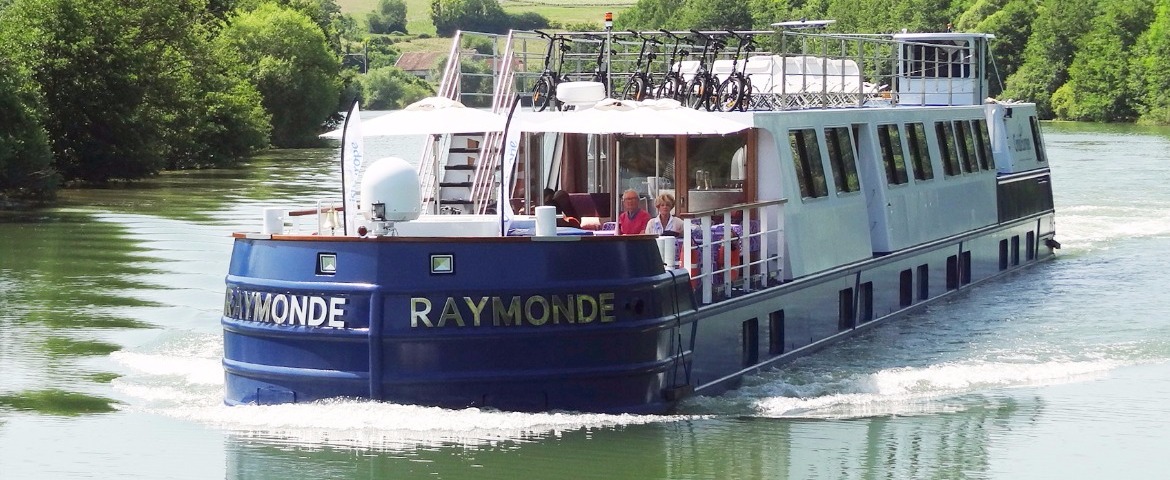
From the ship's deck, well before docking, a silhouette of neo-Gothic towers rises above the trees on the right bank. Antoing Castle sets the tone: this river port of call on the Scheldt, in the heart of Walloon Hainaut, belongs to a land of stone, brick and old princely families. River cruise ships tie up along the canal and the river, just steps from a quiet town that moves at the pace of the passing barges.

Antoing doesn't try to impress. The small town grew up in the shadow of its fortress, around its limestone quarries, whose blue stone has been used far beyond the region. Stepping off the ship, visitors reach the central square within minutes, with its brick houses and church. The streets are short and quiet, and it's often easier to hear the church bells and birdsong than any traffic.

The Castle of the Princes of Ligne

It's impossible to visit Antoing without looking up at its castle. The fortress dates back to the 12th century, but the romantic appearance seen today comes from a 19th-century rebuilding in full neo-Gothic style. The residence still belongs to the Princes of Ligne, one of the great families of Belgian nobility. From the surrounding area, visitors can make out the keep, the turrets and the curtain walls overlooking the Scheldt valley. Even seen only from the gates or the paths that skirt around it, the building gives the port call its character and tells eight centuries of regional history.

Strolling Between River and Canal

Much of Antoing's appeal lies along its riverbanks. Towpaths follow the water in both directions and are just as good for walking as for cycling. Visitors will pass anglers, cyclists and the slow parade of commercial barges linking France to the Belgian Scheldt. The old quarries nearby are a reminder of the region's industrial past; nature has since reclaimed much of the area, and several ponds now line the trails. An hour's walk is enough to take in the particular atmosphere of this region, where water and stone have always worked hand in hand.

Tournai, a Few Kilometres Away

Most itineraries combine Antoing with Tournai, about six kilometres away by river. The excursion is well worth it: Tournai is one of the oldest cities in Belgium. Its Notre-Dame Cathedral, a UNESCO World Heritage Site, raises its five towers above the rooftops, while its belfry, the oldest in the country, watches over the triangular Grand-Place. The Scheldt quays, redeveloped for pedestrians, offer a pleasant transition between the river and the historic centre. Some ships continue on into the heart of Tournai itself; others offer the connection by coach or by bike along the towpath.

A Taste of the Local Terroir

Back in the village, there's still time to sit down at an estaminet and try a regional beer, in the great Walloon brewing tradition. Conversations here happen in French, with the lilting Hainaut accent, and locals watch the ships go by with a warm curiosity. River tourism here stays on a human scale: people greet you on the dock and are happy to point the way to the castle or the bakery.

As the ship casts off, there's time for one last look back at the neo-Gothic towers rising above the treetops. Antoing offers what the bigger stops can't always provide: time to walk without rushing, a history condensed into a single monument, and the sense of having passed through a corner of Wallonia that few travellers ever see. The river, meanwhile, is already moving on toward other church spires.

Frequently Asked Questions

Along the Scheldt and the canal, a few steps from the village. This is a river cruise call: no terminal, no shuttle, you walk down the gangway and you are in town.
Yes, entirely. The main square, its brick houses and the church are minutes from the quay. The streets are short and the village is easy walking.
The castle and the towpaths easily fill a morning, then the afternoon goes to Tournai, about six kilometres away. If the Tournai excursion is not offered, an hour along the water is enough to get the feel of the place.
Interior access is limited: the house still belongs to the Princes de Ligne and is not a permanently open museum. From the grounds, the gates and the paths around it, the keep, turrets and curtain walls are clearly visible.
The fortress dates back to the 12th century, but the romantic silhouette you see today comes from a 19th-century neo-Gothic rebuild. Eight centuries of regional history sit in this one monument.
It is. Tournai is among the oldest cities in Belgium: the UNESCO-listed Notre-Dame cathedral with its five towers, the country's oldest belfry, and a triangular Grand-Place. Some boats continue to central Tournai, others offer a coach or bicycles along the towpath.
Yes. The towpaths follow the water in both directions and suit walking and cycling alike. You will pass anglers, cyclists and working barges running between France and the Belgian Scheldt.
The euro, and French: Antoing is in Wallonia, in Hainaut. Locals speak with the singing Hainaut accent and watch the boats pass with friendly curiosity.
April through October, when the towpaths are pleasant and terraces are open. The Belgian river season slows in winter and the village offers little shelter then.
Only moderately. The village is quiet and safe, but there is no beach and nothing built for children. The towpaths and the castle seen from outside appeal mainly to walkers and history buffs.