Hasselt Belgium
16
Cruises availables
At departure or passage at this port
Uniworld Boutique River Cruise (16 Cruises)
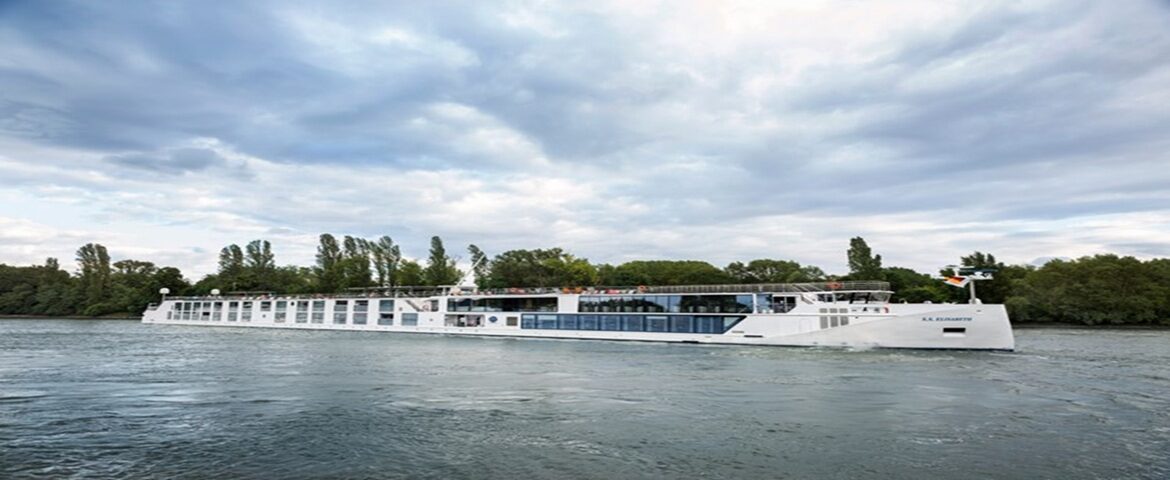
S.S Elisabeth
8 Cruises

S.S. Victoria
8 Cruises


Hasselt, Belgium | Cruise Port Guide
Frequently Asked Questions
A short distance from the centre on the Albert Canal, the waterway linking Antwerp to Liège since 1939. The old core is built entirely around walking.
Yes, easily. The old core, ringed by boulevards where the ramparts once stood, crosses in about 15 minutes. Everything that matters sits inside that ring.
The National Jenever Museum to understand the city, then Saint Quentin's Cathedral, the beguinage and the shopping streets. The Japanese garden takes about 20 minutes more on foot.
Because jenever has flowed here for centuries and the chocolatiers, pastry makers and cafés turned it into a culture. The local speculoos, thicker and softer than its cousins, is defended with pride.
How the grain spirit that built local prosperity is made: millstones, copper vats and cereal aromas inside a 19th-century distillery. The visit ends with a tasting in the adjoining tavern.
Yes, it is the largest in Europe. Born of a twinning with the city of Itami, it spreads carp ponds, cherry trees, a tea pavilion and waterfalls over several hectares. Allow 20 minutes on foot from the centre, or a few minutes by taxi.
A haven of brick and greenery recalling the communities of pious women that shaped Flemish cities. Its gardens now host exhibitions and shaded breaks, a few streets from the church towers.
The euro, and Dutch: Hasselt is the capital of Belgian Limburg. English works everywhere in shops; French far less than in Wallonia.
Yes, and it is a local specialty: Limburg invented the numbered cycle node network, which lets you explore the surrounding countryside by following numbers rather than a map.
Yes, with one caveat: the main draws, jenever and shopping, speak mostly to adults. The Japanese garden and the cycle network rebalance the day for younger visitors.


