Puerto Eden Wellington Island Chile
Chile

21 Cruises availables At departure or passage at this port

Scenic Cruises (18 Cruises)

Puerto Edén, Chile | Cruise Port Guide

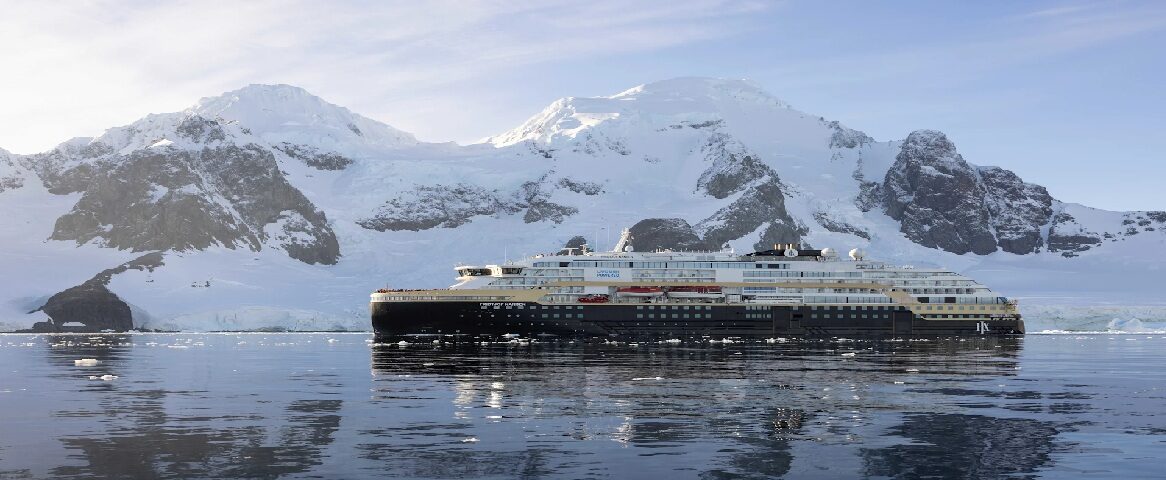
It is raining, probably. It rains often in Puerto Edén, one of the wettest inhabited places in Chile, and that rain is part of the journey. Clinging to the shore of Wellington Island, in the heart of the channels of western Patagonia, the hamlet has no roads, no cars and no streets: wooden boardwalks link a few dozen colourful houses, set between the drenched forest and the waters of the Messier Channel. Only boats lead here. Expedition ships anchor off the shore and bring their passengers ashore in small craft.

The last home of the Kawésqar

This land's end is first and foremost a place of living memory. The hamlet is home to one of the last Kawésqar communities, a people of sea nomads who travelled the channels for thousands of years in bark canoes, a fire kept alight on a bed of clay right in the boat. Families lived on board with their dogs, fishing and diving in icy waters, and came ashore only to camp for a few nights. Settled in the 20th century, their descendants carry on part of this heritage: a few elders still speak the language, and visitors are sold baskets woven from rushes and miniature replicas of the canoes of old. Buying one of these pieces is a concrete way to support the transmission of a culture that UNESCO and Chile are working to document before it disappears.

Walking the boardwalks

A visit to the hamlet follows the only possible route: the network of wooden walkways that hugs the coast, climbs, descends, spans the coves and serves the school, the chapel, the health post and the harbour master's office. Along the way you pass tiny greenhouses, laundry drying between showers and upturned boats waiting for a lull. In the drizzle, boots echo on the planks, smoke from wood stoves clings to the roofs, and dogs accompany walkers from one end of the village to the other. A lookout, at the top of a steep staircase, takes it all in: scattered houses, a grey bay and, behind it, stretching endlessly, the mountains of Bernardo O'Higgins National Park, the largest in Chile, within which the hamlet is enclosed.

Living from the sea, here and now

With no road link, the community — some 250 souls — lives from fishing, from harvesting cholgas, large mussels smoked using a technique inherited from the Kawésqar, and from the passing ferry that links southern Patagonia to the ports of the Lakes Region. Vegetable gardens wrested from the peat, traps stacked on the docks and boats pulled up on the shore tell of a life governed by the weather. Residents welcome visitors with unaffected kindness; a few words of Spanish are enough to start a conversation about the weather — an inexhaustible topic here.

Tips for a respectful visit

  • Waterproof boots and a windproof shell are essential; the drizzle can last all day without ever turning nasty.
  • The boardwalks are sometimes slippery: hold on to the railings, as the villagers do.
  • Bring Chilean pesos in cash for crafts — there is no payment terminal for hundreds of kilometres around.
  • Photograph people only with their consent; the community is small and everyone knows each other.

Many passengers head back down to their boat with a rush basket in hand and a question in mind: how do people live here, so far from everything? The answer may lie in the name of the place. Between two squalls, when the light breaks through the clouds and sets the channel ablaze, Puerto Edén suddenly lives up to its name — and you understand why some never wanted to leave.

Frequently Asked Questions

By small boat. Expedition ships anchor off the shore of Wellington Island: there is no road and no cruise pier. Only boats reach this hamlet in the channels of western Patagonia.
None. Wooden walkways link a few dozen coloured houses set between soaked forest and the water of the Messier Channel. No road, no cars: the boardwalk network is the only route there is.
A people of sea nomads who travelled these channels for millennia in bark canoes, keeping a fire burning on a clay bed aboard the boat. The hamlet is home to one of the last Kawésqar communities, settled during the twentieth century.
Rush-woven baskets and miniature replicas of the old canoes. Buying one directly supports the transmission of a culture that UNESCO and Chile are working to document. Bring Chilean pesos in cash: there is no card terminal for hundreds of kilometres.
Follow the walkways, quite simply. They hug the coast, cross the inlets and serve the school, the chapel, the health post and the harbourmaster's office. A lookout at the top of a steep staircase takes in the hamlet, the grey bay and the mountains of Bernardo O'Higgins park.
It is raining, probably. This is one of the wettest inhabited places in Chile, and the drizzle can last all day without ever turning nasty. Waterproof boots and a wind shell are essential, not optional.
They climb, descend and get slippery in the rain. Hold the handrails, as the villagers do. The walk stays accessible, but shoes with grippy soles make all the difference.
From fishing, from harvesting cholgas, the large mussels smoked using a technique inherited from the Kawésqar, and from the ferry linking southern Patagonia to the Lake District. The community numbers some 250 people.
Only with their consent. The community is small and everyone knows everyone: a photo snatched on the sly is noticed immediately. A few words of Spanish are enough to ask, and often enough to start a conversation about the weather.
The name puzzles you on arrival in the rain, then it makes sense. Between squalls, when light breaks through the clouds and sets the channel alight, the place suddenly lives up to its name, and you understand why some never wanted to leave.