Palmerston Island Cook Islands NZ
Cook Islands
6
Cruises availables
At departure or passage at this port
Silversea Cruises (6 Cruises)
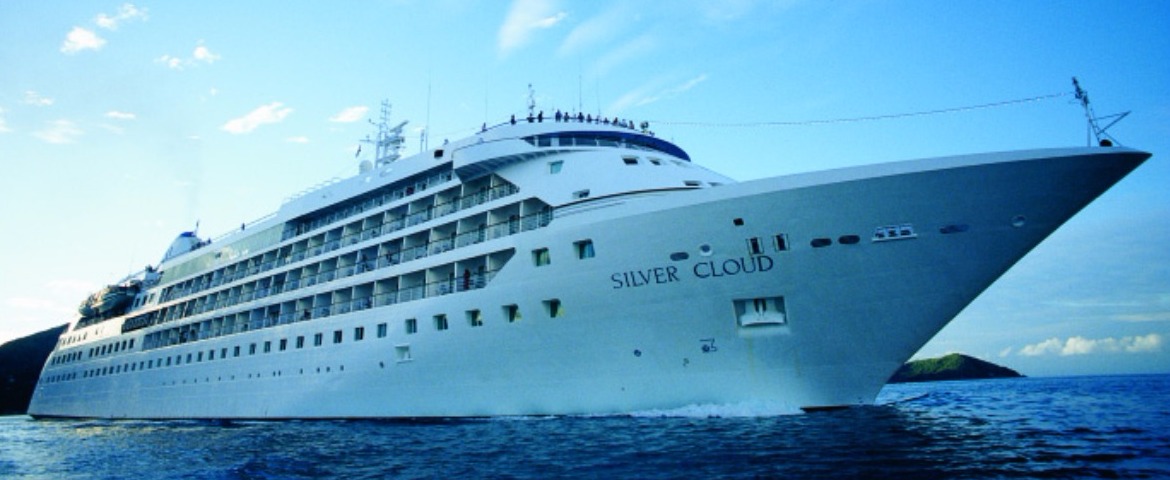

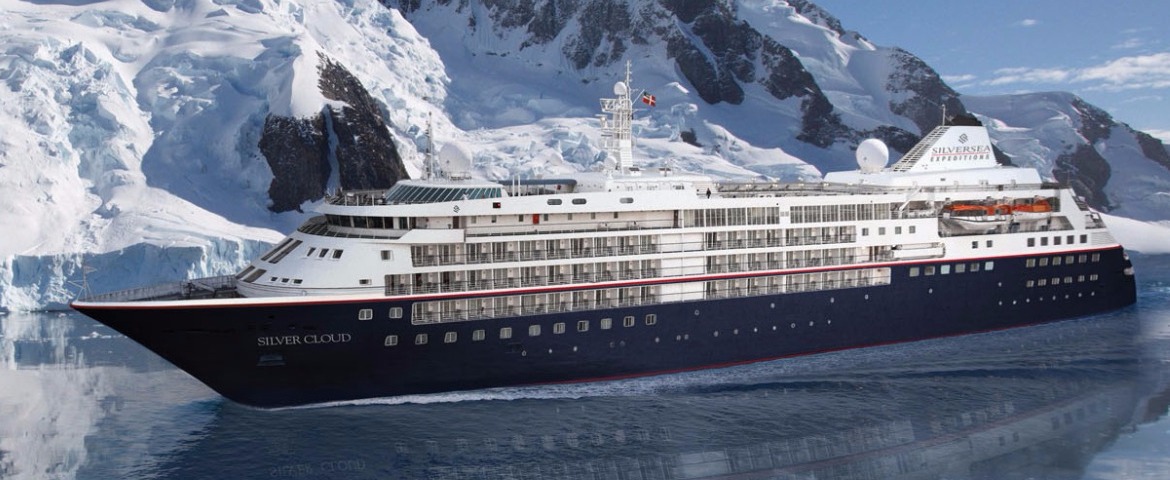
Palmerston Island, Cook Islands | Cruise Port Guide
Frequently Asked Questions
By tender, and only if the sea allows. No pass lets ships into the lagoon: they anchor offshore, and local boats or tenders cross a narrow gap in the coral ring. On some days the ocean alone decides the programme.
No. This Cook Islands atoll, hundreds of kilometres from any other inhabited land, sees only a handful of visits a year. A ship's arrival is an event, and boats leave the reef to meet her well before the anchor touches bottom.
Because they descend from one man. In 1863, William Marsters, an English ship's carpenter, settled on this uninhabited atoll with two Polynesian wives, soon joined by a third. Almost all his descendants bear the name Marsters.
In three lineages, one per wife of the founder. His descendants, some thirty on the island today, keep up this unique arrangement: three family branches still share the land and the responsibilities.
English, which William Marsters made the language of the household. Visitors quickly notice the island speech inherited from the ancestor and passed down through generations, heard nowhere else.
There are no shops and no organised tours: custom holds that each family hosts visitors at home. You share a meal of parrotfish caught that morning in the lagoon, taro and coconut, and listen to accounts of a life set by the supply ships.
The school, the small church where hymns ring out in English and Cook Islands Māori, and houses whose framing timber is said to come from shipwrecks. Everything is done on foot, at the pace of the conversations.
From James Cook, who sighted the atoll in 1774 and named it after Lord Palmerston, then a senior figure at the British Admiralty. The navigator landed a few years later, long before the islet awaited its improbable patriarch.
Electricity comes from solar panels and generators, water from the sky, collected in cisterns, and the school follows the Cook Islands curriculum with a handful of pupils. Supply ships call only a few times a year.
May to October, the drier and cooler season, when the sea is kinder for crossing the gap. Cyclone season runs from November to April, and landing remains uncertain in any season.


