Tortuga Island Costa Rica

37 Cruises availables At departure or passage at this port

Tortuga Island, Costa Rica | Cruise Port Guide

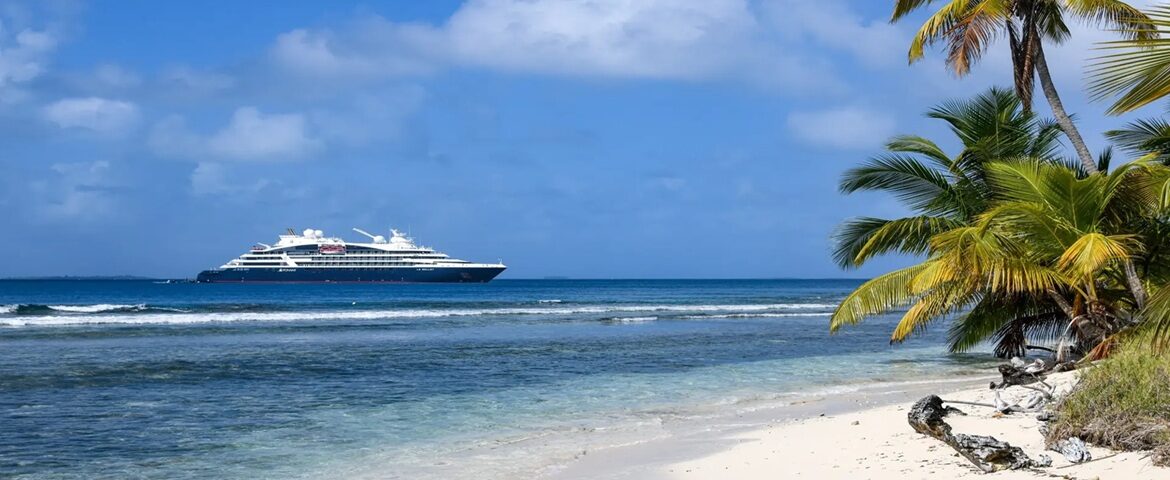
Coconut palms leaning until they almost touch the sea, a crescent of pale sand and water shifting from turquoise to jade green: Isla Tortuga looks just like the idea of a whole day devoted to the Pacific. The islet lies hidden in the Gulf of Nicoya, off Costa Rica's west coast, facing the southeastern tip of the peninsula of the same name. It is uninhabited, with no hotel or village, reserved for day visitors, and small ships have made it one of their favourite beach stops between Central American ports of call.

Arriving by tender

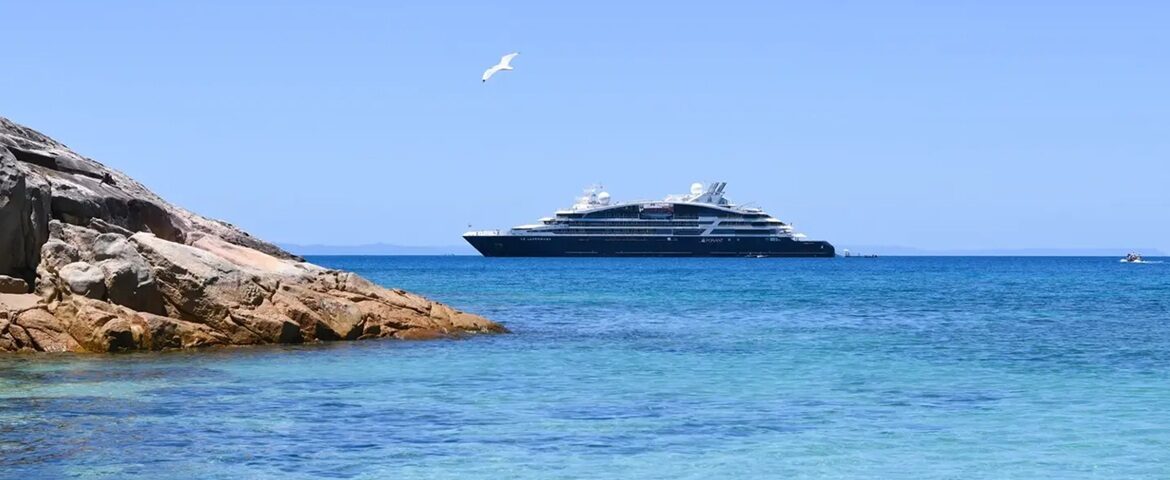
The ship anchors in the sheltered waters of the gulf, where the Pacific swell arrives subdued. The ride from the ship already offers a preview of the setting: wooded slopes dropping into a glassy sea, frigatebirds hanging in the sky, and that strip of sand growing larger as the tender approaches. Landing is directly on the shore, barefoot, which sets the tone for the rest of the day. From the beach, you take in the whole scene at a glance: the tropical dry forest climbing the heights, the neighbouring islets of the Negritos Biological Reserve and the pelicans diving offshore.

A beach made for lingering

The pale sand stretches for several hundred metres, shaded by palm fronds. Depending on the cruise line, lounge chairs, tables and refreshments await ashore, and barbecues are sometimes prepared under the trees. The water stays calm and shallow near the shore, reassuring occasional swimmers and families alike. The more active find kayaks, pedal boats and volleyballs; the others, a leaning trunk for a backrest and the steady sound of the surf.

Mask and snorkel

The rocky points closing off the bay shelter most of the underwater life. Angelfish, schools of sergeant majors, rays resting on the bottom and sometimes a passing turtle: visibility, often excellent in the dry season, turns a few strokes into a floating observatory. Excursions generally provide the equipment, and some organize boat outings to richer waters around the Negritos. It's best to swim early: the morning light passes through the surface almost unobstructed, and schools of fish stay close to the rocks.

The lookout trail

For variety, a trail heads into the dry forest and climbs to a viewpoint overlooking the anchorage. The climb calls for good sandals and a water bottle, but the reward comes quickly: the gulf unrolls its milky, island-studded waters all the way to the mountains of the Nicoya Peninsula. Along the way, you'll meet hermit crabs by the dozen, iguanas motionless on the rocks and the noisy comings and goings of dry-forest birds.

The art of doing nothing

The rest depends on everyone's own pace. Some alternate swims and volleyball games, others doze in the shade with half an eye on the horizon, where fishing boats from the peninsula pass by. The island's name is said to come from the sea turtles that frequent these waters, and not from the pirates that local legend nevertheless likes to associate with it. The hours stretch out, punctuated by the coming and going of tenders and the smell of barbecue. It's exactly what the islet promised when seen from the ship: a simple interlude, with no program and no obligations.

People often leave reluctantly, a last swim still fresh on their skin. From the deck, the little island resumes its green silhouette on the gulf, already returned to the pelicans. Tortuga is a reminder that a successful port call sometimes comes down to very little: sand, clear water and hours that pass without anyone counting them.

Frequently Asked Questions

In the Gulf of Nicoya, off Costa Rica's west coast, facing the southeastern tip of the peninsula of the same name. The islet is uninhabited, with no hotel or village, and open to day visitors only.
By tender, straight onto the shore, barefoot. The anchorage is in the sheltered waters of the gulf, where the Pacific swell arrives tamed, and the crossing from the ship already gives a taste of the setting.
A crescent of pale sand stretching several hundred metres, shaded by palm fronds, with water shifting from turquoise to jade green. It stays calm and shallow near the shore, reassuring for occasional swimmers and families alike.
It depends on the line: loungers, tables and refreshments are usually set up ashore, and barbecues are sometimes prepared under the trees. Do not count on shops: the islet is uninhabited and everything arrives by boat.
Kayaks, pedal boats and volleyball for the more active. Others will find a leaning trunk for a backrest and the steady sound of the surf: this is a call where doing nothing is a perfectly valid option.
At the rocky points closing the bay, where most of the underwater life gathers: angelfish, shoals of sergeant majors, rays resting on the bottom and sometimes a passing turtle.
Early. Morning light passes through the surface almost unhindered, and the shoals hold close to the rocks then. Visibility is often excellent in the dry season.
A trail heads into the dry forest and climbs to a lookout above the anchorage. The ascent calls for decent sandals and a water bottle, but the reward comes quickly: the gulf unrolls its milky waters, dotted with islands, to the mountains of the Nicoya peninsula.
Hermit crabs by the dozen, iguanas motionless on warm rocks, and the dry tropical forest climbing the heights. From the beach you can also see the neighbouring islets of the Negritos biological reserve and pelicans diving offshore.
December to April, the dry season: calmer seas for tenders and underwater visibility at its best. From May to November, late-day showers often cloud the water near the rocks.