Abidjan Ivory Coast
Cote d'Ivoire
14
Cruises availables
At departure or passage at this port
Oceania Cruises (4 Cruises)

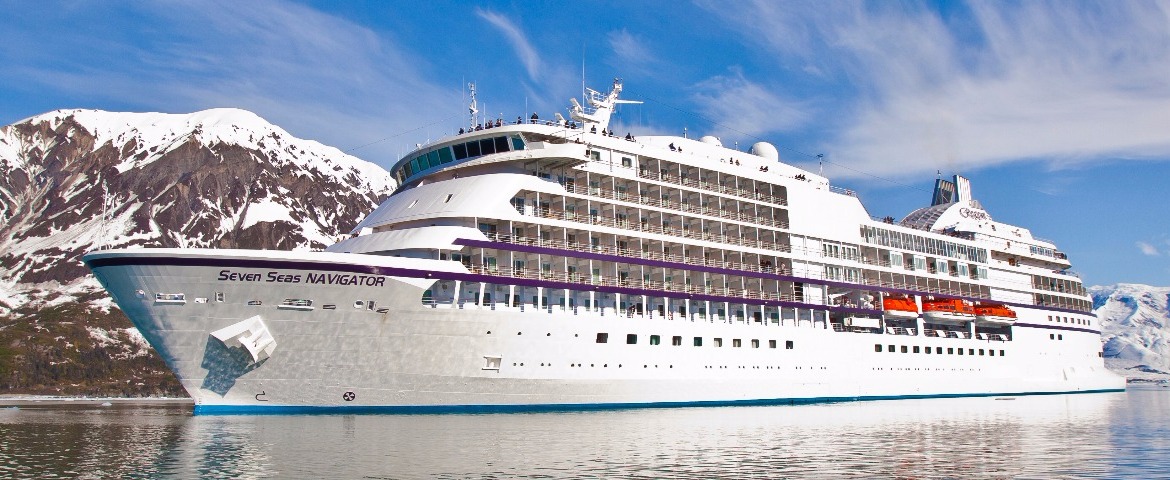
Regent Seven Seas Cruises (8 Cruises)
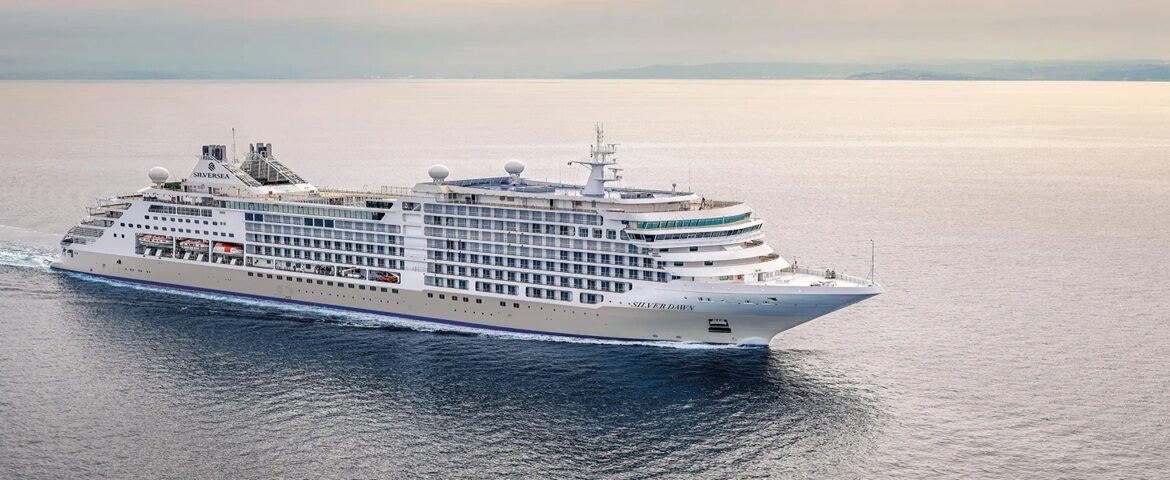
Silversea Cruises (2 Cruises)

Port of Abidjan, Ivory Coast | Cruise Port Guide
Frequently Asked Questions
In the industrial zone, on the Treichville side or by the Vridi canal, within West Africa's largest port complex. The ship first enters the Vridi canal, a narrow passage between the Atlantic and the Ébrié lagoon, and the Plateau skyline rises above the water.
No. The immediate surroundings of the berth are entirely given over to containers and are not walkable. Ship shuttles, organised excursions or pre-negotiated taxis are the real starting point of the day.
The business and government district, lining up its towers above avenues planted with flame trees. It is Côte d'Ivoire's modern showcase and the natural first stop after crossing the lagoon by the Houphouët-Boigny or De Gaulle bridges.
Consecrated in 1985, this work by Italian architect Aldo Spirito raises a bold silhouette held by a leaning pylon shaped like a cross. Inside, vast coloured glass panels depict Ivorian life, from fishing scenes to processions of the faithful.
Masks, statuary and textiles of the Akan, Senufo, Dan and Baoulé peoples. It is an excellent key to take in before diving into the markets: you come to understand what you will then see on the stalls.
Let yourself be carried by the din, among wax prints, spices and stalls of smoked fish. It is also where you taste attiéké, cassava semolina served with grilled fish, the city's emblematic dish.
An open-air neighbourhood restaurant, a local institution, serving alloco, brochettes and ginger juice late into the evening. It is the most direct way to eat as Abidjanais do, without ceremony.
Yes, unusually for an economic capital: Banco Forest in the Attécoubé district protects dense tropical woodland crossed by trails and an arboretum. An hour or two is enough to walk beneath the giant kapok trees.
The CFA franc, in cash for markets and maquis; cards work in major hotels and shopping centres. French is spoken, which makes this call especially comfortable for a Quebec traveller.
November to March, the dry season, when the heat stays bearable and getting around is more predictable. The main rainy season, May to July, complicates traffic in an already dense city.


