Port of Rab, Croatia | Cruise Port Guide

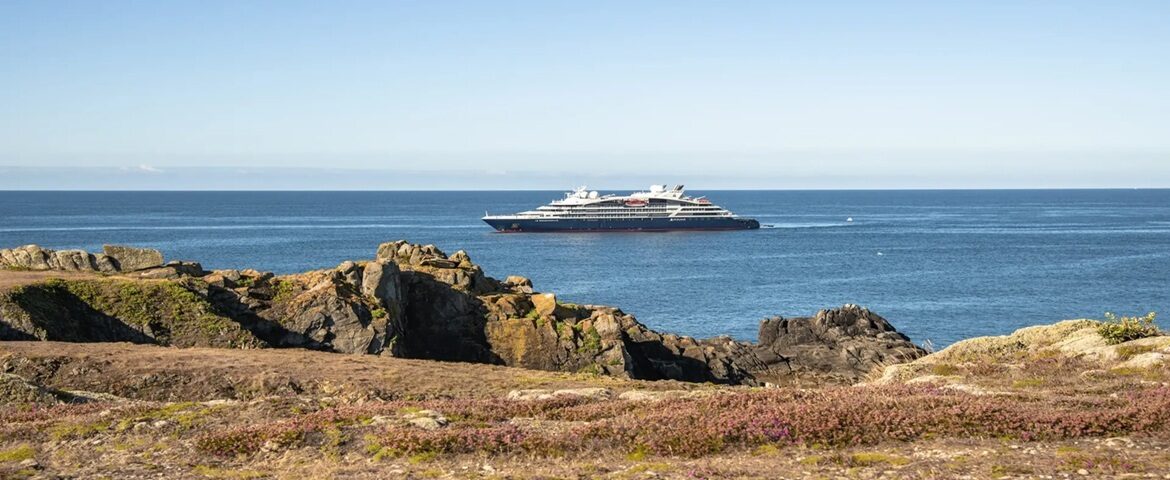
Four bell towers on a single skyline: the silhouette of Rab can be recognized from far away, rising on a narrow tongue of land between two coves. Ships anchor off the medieval town and tenders drop passengers at the pier, a few metres from the fortifications. The island, south of Kvarner Bay, served as a base for the Roman and later Byzantine fleets; the old town you explore today, however, owes almost everything to Venice, which left it its walls, palaces and white campaniles. The landing sets the tone: you step directly into the Middle Ages, with no transition or buffer zone.

Three streets, a thousand years

The medieval layout comes down to three parallel streets following the crest of the peninsula: Donja, Srednja and Gornja ulica — the lower, middle and upper streets. Lanes and flights of steps link them together, so that you keep moving from one level to another, between carved doorways, inner courtyards and small squares where laundry hangs to dry. The patrician palaces still bear their coats of arms; the loggia on the middle street served as a courthouse and meeting place. You can lose yourself in this grid without ever really getting lost: the sea appears at the end of every lane that runs downhill. In late July, the Rapska fjera medieval festival brings crossbowmen, artisans and period costumes back to these streets — locals hold to it like a sacred oath.

The four campaniles

Each of the towers that make up Rab's skyline belongs to a different church, spaced along the upper street. The most elegant of the four campaniles, that of St. Mary, dates from the 12th century: its 26 metres are climbed by a narrow staircase, and the reward awaits at the top — tiled rooftops, turquoise coves, the Kvarner archipelago and the mainland mountains in a single glance. Right next door, the former Cathedral of St. Mary the Great sets its pink-and-white striped façade against the light of the open sea. In the late afternoon, when the bells answer one another from tower to tower, the whole peninsula seems to ring.

Komrčar Park and the shoreline

On the northwest side of the old town, Komrčar Park spreads out its pine forest planted in the 19th century: shaded paths slope gently down to developed coves where you can swim facing the sailboats. Walkers can continue along the coastline, from cove to cove, to the small beaches lining the neighbouring bay. Those with more time can head to Lopar, about twelve kilometres to the north, where Paradise Beach stretches nearly two kilometres of fine sand — a rarity on this pebbly coast, with a slope so gentle that you walk a long way before losing your footing. Families happily spend half a day there, ice cream cone in hand.

Quick reference

ItemDetails
DockingAnchorage off the old town, tenders to the pier
St. Mary's bell towerClimb by a narrow staircase, panoramic view of the archipelago
Paradise BeachIn Lopar, about 12 km, by taxi or on an excursion
Currency and languageEuro; Croatian, with English and German widely spoken

The stonemason who left to found a country

Tradition has it that a stonecutter named Marinus, born on this island in the 4th century, fled Roman persecution and founded, on the other side of the Adriatic, the community that became the Republic of San Marino. True or embellished, the story speaks to what Rab has always known how to do: build, and endure. The four bell towers, for their part, continue to stand guard — you watch them recede from the deck with the feeling of having crossed a very old kingdom in miniature.

Frequently Asked Questions

Off the medieval town. Tenders land passengers at the quay, metres from the fortifications: you step straight into the old town with no buffer zone.
By its four bell towers lined up on the same skyline, standing on a narrow spit between two bays. Each belongs to a different church, spaced along the upper street.
The three parallel streets of the old town, the climb up St Mary's bell tower, the former Cathedral of St Mary the Great, then Komrčar park and a swim in the serviced coves. Paradise Beach at Lopar needs a half day.
In three parallel streets following the spine of the peninsula: Donja, Srednja and Gornja ulica, the lower, middle and upper. Alleys and flights of steps link them, so you constantly move between levels.
Yes, St Mary's, the most elegant of the four, dating from the 12th century. Its 26 metres are climbed by a narrow stair. At the top: tiled roofs, turquoise bays, the Kvarner archipelago and the mainland mountains in a single view.
Yes, Paradise Beach at Lopar, about twelve kilometres north: nearly two kilometres of fine sand shelving so gently you walk a long way before losing your footing. That is rare on this pebble coast. Take a taxi or an excursion.
Yes, Komrčar park on the northwest flank of the old town slopes gently down shaded paths to serviced coves where you swim facing the yachts. A few minutes on foot from the quay.
The euro and Croatian. English and German are widespread. Cards work in the old town; keep cash for taxis to Lopar.
Rab's medieval festival, in late July: crossbowmen, craftspeople and period costume fill the three streets. Locals hold to it like an oath. If your call falls on those dates, the atmosphere changes completely.
Partly. The lower street along the quay is manageable, but the two upper levels are reached by flights of steps and the bell tower has no lift. Komrčar park offers a gentler walk.