Eden Island Galapagos
Ecuador

292 Cruises availables At departure or passage at this port

HX Expeditions (146 Cruises)

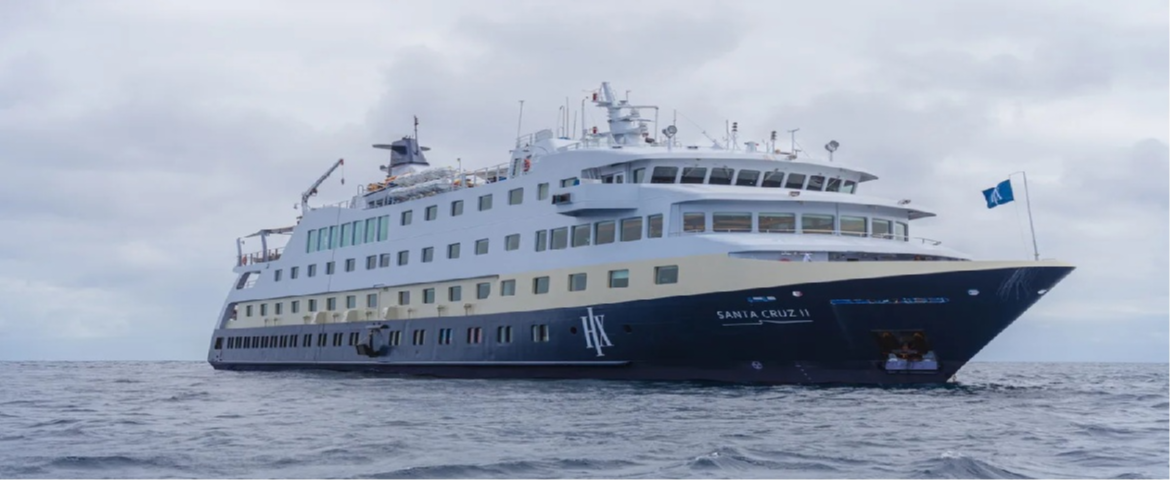
MS Santa Cruz II.

MS Santa Cruz II

2664 tons
Visit the ship's page

Tauck Cruises (146 Cruises)

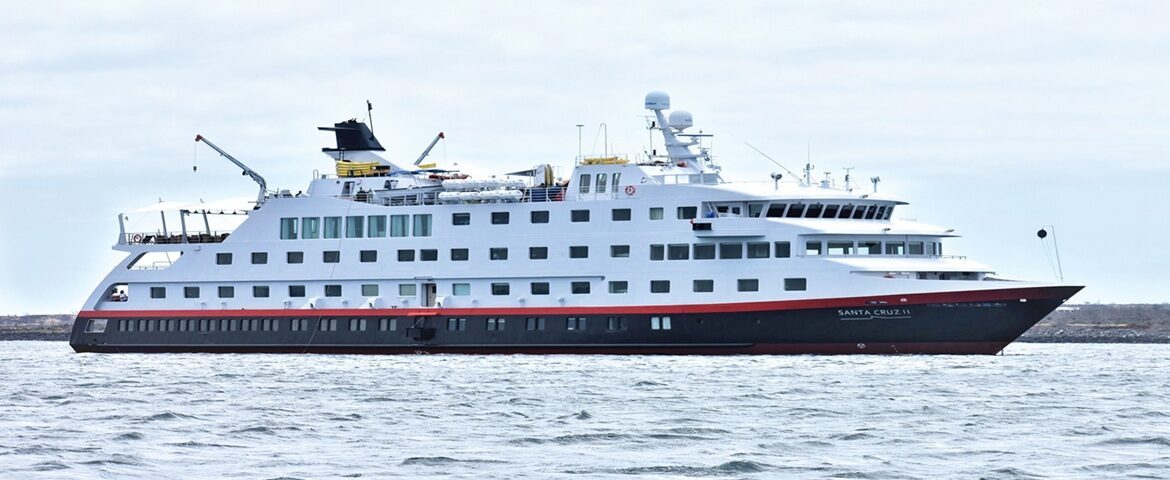
Santa Cruz II22

Santa Cruz II

90 Passengers
Visit the ship's page

The panga's engine slows down, and that's the moment when Eden Islet reveals its full scale. Ahead of you, an old tuff cone rises out of the ocean off the northwest coast of Santa Cruz, in the Galápagos. Its ochre walls, sculpted by erosion, drop straight down into turquoise water where a few dark shadows are already darting about. There's no dock here, no landing: Eden is visited from the water, and that's precisely what makes this stop so distinctive.

The ship stays anchored at a respectful distance. Passengers board the pangas, the small boats used as tenders throughout the archipelago, and slowly make their way along the volcanic shoreline. The pace here is that of observation: the engine is sometimes cut, the current is left to do the work, and you simply watch.

A Volcano Born of Fire Meeting the Sea

Eden is what geologists call a tuff cone. When magma came into contact with the cold waters of the Pacific, the resulting explosion threw up ash that, as it settled, built this compact mound with its clearly visible layers. Cruising along the cliff face, you can read these strata like the pages of an open-air geology textbook. Erosion has done the rest, carving out crevices where seabirds now nest.

The Cliffs of the Blue-Footed Boobies

The islet's ledges serve as perches for a colourful colony. Blue-footed boobies stand upright here, their almost surreal feet planted on the dark rock. Frigatebirds glide above the cone, brown pelicans dive within metres of the boats, and lava gulls, among the rarest birds in the world, blend into the basalt. From the panga, binoculars quickly become unnecessary: Galápagos wildlife shows no fear, and the viewing distances surprise even seasoned travellers.

Beneath the Surface, a Natural Aquarium

Most itineraries then include a snorkelling session along the shoreline. The water is shallow, relatively calm, and visibility is often excellent. Swimmers cross paths with rays, sea turtles, schools of surgeonfish, and, with a bit of patience, the whitetip reef shark, harmless and curious. Marine iguanas, for their part, graze on the algae clinging to the rock before climbing back up to warm themselves in the sun. Depending on conditions and the ship, kayaking or a glass-bottom boat sometimes rounds out the program, letting non-swimmers take in the full spectacle as well.

What to Know About This Half-Day Outing

Good to KnowDetail
AccessNo landing: touring the islet by panga
LocationOff the northwest coast of Santa Cruz
ActivitiesBirdwatching, snorkelling, sometimes kayaking
Common wildlifeBlue-footed boobies, pelicans, rays, reef sharks
Typical durationTwo to three hours, often as a half-day outing

A practical tip: protect your camera from sea spray, since the pangas pass close to the waves breaking against the tuff. A windbreaker makes the outing more comfortable early in the morning, even on the equator.

The Return to the Ship

Heading back aboard, the islet shrinks behind you, but something lingers. Eden has no trail, no monument, no village. Yet it offers a concentrated dose of everything that defines the archipelago: raw geology, life clinging to it, and that disarming closeness to the animals. Many travellers climb back up the gangway in silence, still held by the calm gaze of an iguana or the dive of a pelican. The Galápagos hold more famous stops than this one; few sum up, in just two hours, quite so well the reason people cross half the globe to reach these latitudes.

Frequently Asked Questions

No. There is no pier and no landing site: Eden is visited entirely from the water, by panga along the volcanic shoreline, and that is precisely what makes the call distinctive.
Off the northwest coast of Santa Cruz Island, in the Galápagos archipelago, Ecuador. The ship stays anchored at a respectful distance and pangas make the trip.
The result of magma meeting the cold water of the Pacific. The explosion threw up ash which, falling back, built this compact mound with clearly visible strata. Running alongside the wall, you read those layers like pages of an open-air geology book.
Blue-footed boobies standing upright on the dark rock, frigatebirds gliding above the cone, brown pelicans diving a few metres from the boats, and lava gulls, among the rarest in the world, nearly merged with the basalt.
They quickly become unnecessary. Galápagos wildlife has no fear of people and the pangas come in close under the ledges: the viewing distances surprise even seasoned travellers.
Rays, sea turtles, schools of surgeonfish and, with some patience, the whitetip reef shark, harmless and curious. Marine iguanas graze the algae on the rock before climbing back up to warm themselves.
The panga ride is more than enough: it is the heart of the visit. Depending on conditions and the ship, kayaking or a glass-bottom boat sometimes rounds out the programme, so non-swimmers miss nothing.
Two to three hours as a rule, usually listed as a half day in the programme.
Something to protect your camera from spray, since pangas pass close to waves breaking on the tuff. A windbreaker makes the outing considerably more pleasant in the early morning, even on the equator.
It has no trail, no monument and no village, and the Galápagos hold more famous stops. But few places sum up so well, in two hours, the raw geology, the life clinging to it and that disarming closeness to the animals.