Rabida Island Galapagos
Ecuador
324
Cruises availables
At departure or passage at this port
Celebrity Cruises (56 Cruises)
Celebrity Flora
56 Cruises
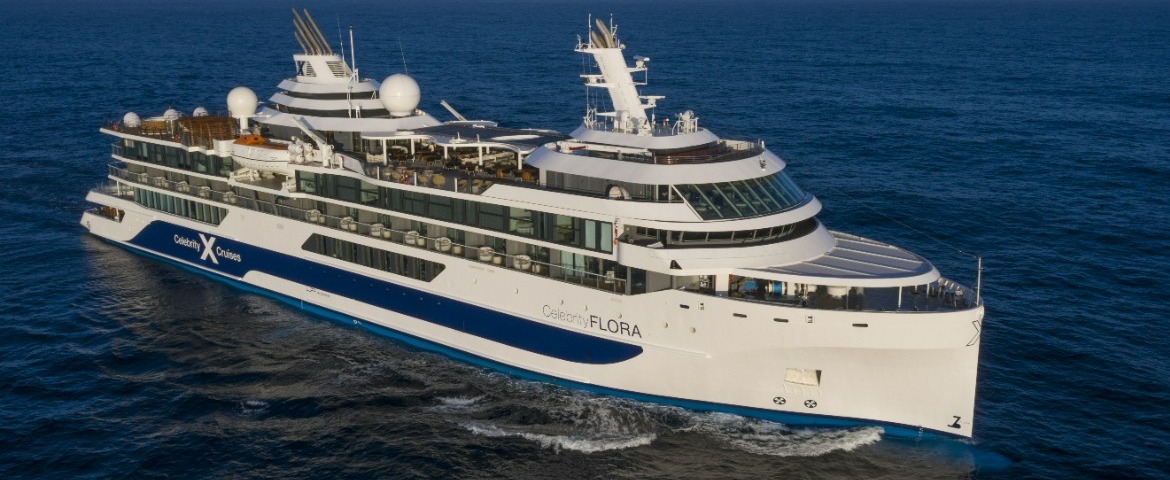

| 14 February | 7 nights | Round-trip from Baltra Island, Ecuador |
From
14538$
|
| 28 February | 7 days | Round-trip Galapagos Islands Celebrity Flora Baltra |
From
17099$
|
| 14 March | 7 nights | Round-trip from Baltra Island, Ecuador |
From
16063$
|
| 28 March | 7 nights | Round-trip from Baltra Island, Ecuador |
From
18061$
|
| 11 April | 7 nights | Round-trip from Baltra Island, Ecuador |
From
20100$
|
| 25 April | 7 nights | Round-trip from Baltra Island, Ecuador |
From
17455$
|
| 9 May | 7 nights | Round-trip from Baltra Island, Ecuador |
From
23724$
|
| 23 May | 7 nights | Round-trip from Baltra Island, Ecuador |
From
19610$
|
| 6 June | 7 nights | Round-trip from Baltra Island, Ecuador |
From
20622$
|
| 20 June | 7 nights | Round-trip from Baltra Island, Ecuador |
From
16490$
|
| 4 July | 7 nights | Round-trip from Baltra Island, Ecuador |
From
15137$
|
| 18 July | 7 nights | Round-trip from Baltra Island, Ecuador |
From
14077$
|
| 12 September | 7 nights | Round-trip from Baltra Island, Ecuador |
From
14823$
|
| 26 September | 7 nights | Round-trip from Baltra Island, Ecuador |
From
14820$
|
| 10 October | 7 nights | Round-trip from Baltra Island, Ecuador |
From
15366$
|
| 24 October | 7 nights | Round-trip from Baltra Island, Ecuador |
From
13336$
|
| 13 February | 7 nights | Round-trip from Baltra Island, Ecuador |
From
16767$
|
| 27 February | 7 nights | Round-trip from Baltra Island, Ecuador |
From
16810$
|
| 12 March | 7 days | Round-trip Galapagos Islands Celebrity Flora Baltra |
From
17081$
|
| 26 March | 7 nights | Round-trip from Baltra Island, Ecuador |
From
16156$
|
| 9 April | 7 nights | Round-trip from Baltra Island, Ecuador |
From
16812$
|
| 23 April | 7 nights | Round-trip from Baltra Island, Ecuador |
From
17733$
|
| 7 May | 7 nights | Round-trip from Baltra Island, Ecuador |
From
18172$
|
| 21 May | 7 nights | Round-trip from Baltra Island, Ecuador |
From
17569$
|
| 4 June | 7 nights | Round-trip from Baltra Island, Ecuador |
From
16771$
|
| 18 June | 7 nights | Round-trip from Baltra Island, Ecuador |
From
16596$
|
| 13 August | 7 nights | Round-trip from Baltra Island, Ecuador |
From
15013$
|
| 27 August | 7 nights | Round-trip from Baltra Island, Ecuador |
From
14736$
|
| 10 September | 7 nights | Round-trip from Baltra Island, Ecuador |
From
15286$
|
| 24 September | 7 nights | Round-trip from Baltra Island, Ecuador |
From
15004$
|
| 8 October | 7 nights | Round-trip from Baltra Island, Ecuador |
From
14520$
|
| 22 October | 7 nights | Round-trip from Baltra Island, Ecuador |
From
14256$
|
HX Expeditions (134 Cruises)
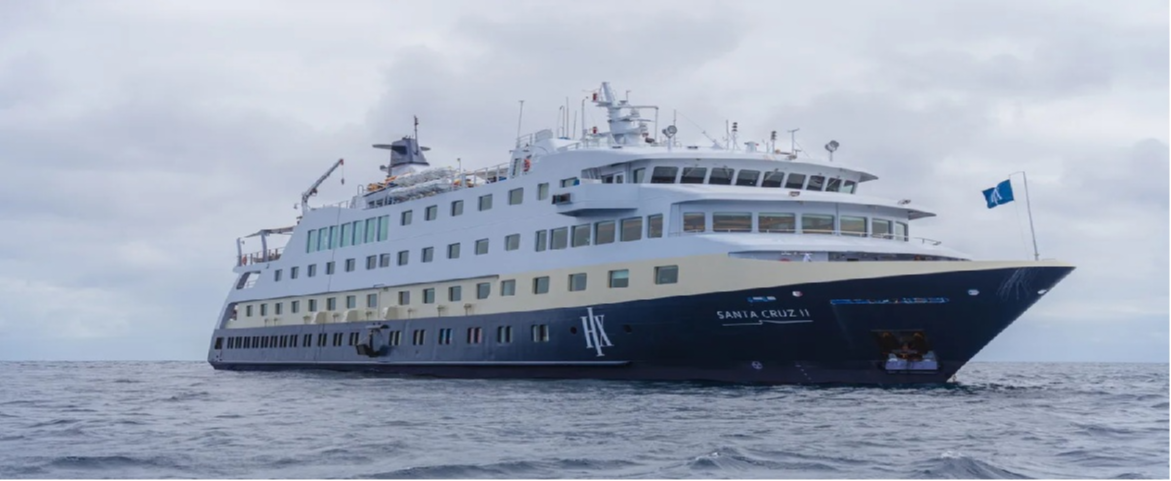
MS Santa Cruz II
134 Cruises

Tauck Cruises (134 Cruises)
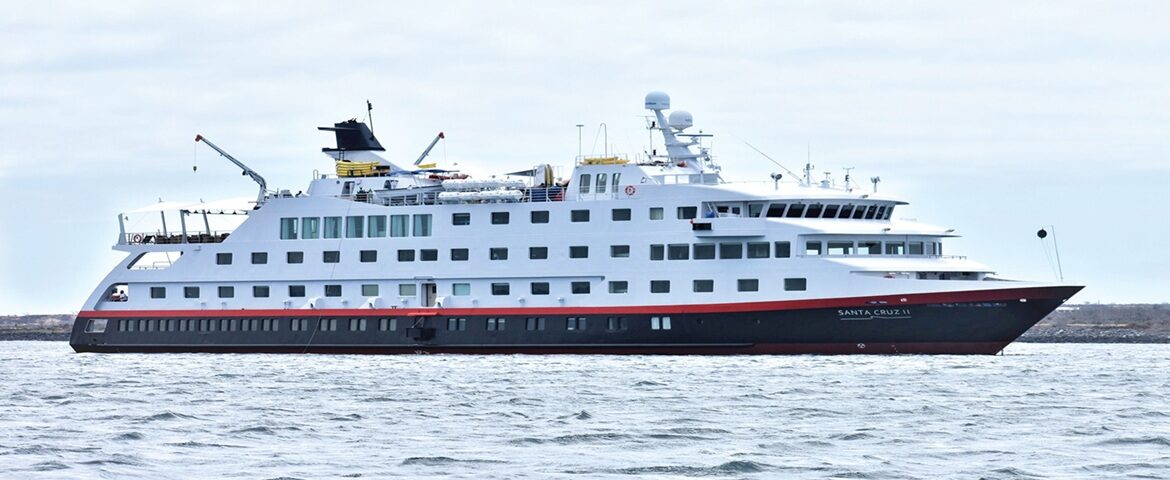
Santa Cruz II
134 Cruises


Rábida Island, Galápagos | Cruise Port Guide
Frequently Asked Questions
Because of the iron in the lavas that built the island. The sand is neither ochre nor pink: it is deep red, almost wine-coloured. It makes for one of the most startling landings in the Pacific.
By zodiac, in a wet landing, barefoot in clear water. There is no pier and no dwelling: the island is uninhabited and fully protected, and can only be visited on a naturalist cruise.
Barely five square kilometres, in the centre of the Galápagos archipelago. That small area packs a remarkable density of volcanic formations, which makes it a favourite stop for geologists as much as photographers.
A sea lion colony: females nursing their pups on the purple sand, young ones chasing through the waves, a male standing guard and growling now and then. Often it is the animals themselves who approach, curious about the visitors.
About 45 minutes. It winds among silvery palo santo trees and opuntia cactus, overlooking a brackish lagoon separated from the beach by a simple ridge of dunes.
Sometimes, in the brackish lagoon behind the beach, where they filter the mud with their curved bills. The sighting is never guaranteed: they come and go with conditions.
Darwin's finches flit from branch to branch, along with Galápagos doves and unshy mockingbirds. The nearby cliffs hold brown pelican nesting sites, and you see them dive metres from shore.
Among the finest in the central archipelago. In a few metres of water you meet green turtles, rays, colourful fish and regularly young reef sharks that are entirely harmless. Sea lions readily join the swimmers.
Amphibious shoes or bare feet for the wet landing, since the sand can be scorching at midday. Biodegradable sunscreen, a water bottle, and a camera protected from spray. The best light comes early in the morning.
Few. Expedition ships land only small supervised groups, on a strict schedule set by the park authorities. No infrastructure, no shops, no waste: visitors leave nothing but footprints.


