Yasawa Island Fiji
Fiji

15 Cruises availables At departure or passage at this port

Yasawa Island | Cruise Port Guide

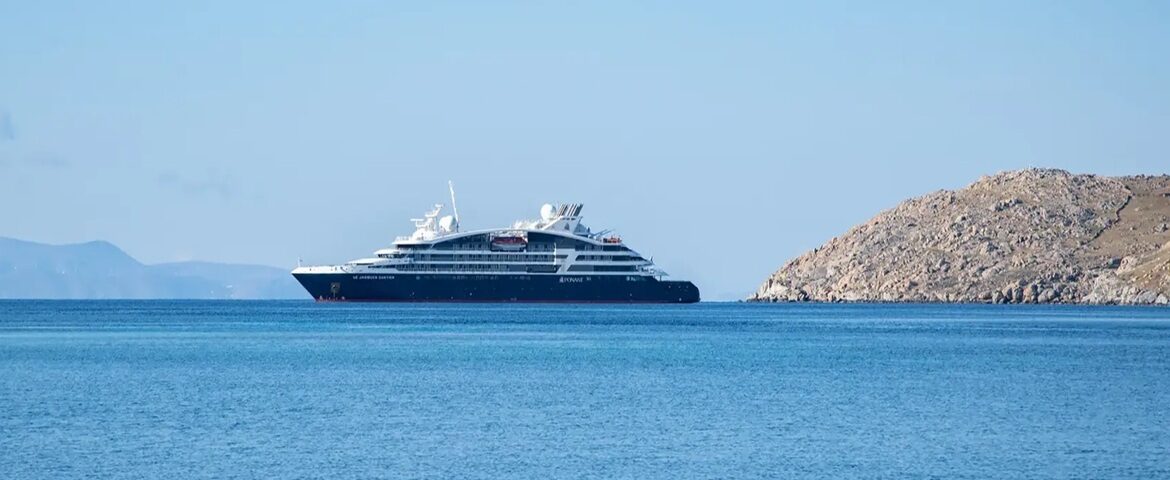
Ridges of golden grass plunge into a translucent lagoon, with not a wharf or a road in sight. The Yasawa chain lines up some twenty volcanic islands northwest of Viti Levu, and Yasawa, the northernmost of the large islands, lends its name to the entire archipelago. Ships drop anchor off a beach, and everything else depends on the tenders: the call is spent between sand, sea and villages, to the rhythm of a region where people get around by boat rather than by car.

Anchored in the lagoon

The tender landing is part of the adventure, and the sea has the last word: the cruise lines remind their passengers of this, since a contrary wind can shift the anchorage or cut the day short. In calm weather, the shuttle drops passengers directly on a white sand shore, sometimes with their feet in the water. The setting is striking in its simplicity: grassy hills with a savanna look, a few coconut groves, tin or thatched roofs grouped in hamlets. The Yasawas have stayed away from mass tourism, and it shows from your very first steps.

The sevusevu, gateway to the villages

When a village visit is planned, it begins with the sevusevu, an unchanging protocol: visitors present a kava root to the chief, who accepts the offering and opens his community to the guests. Often there follow church hymns sung in harmony, a meke dance, a stop at the school where children greet visitors with their widest smiles, and a small craft market, woven mats and shell necklaces spread out on cloths. Purchases made there directly support the community, which gives them particular weight. The Fijian welcome, warm without being theatrical, rarely leaves anyone indifferent. Clothing covering shoulders and knees is appreciated in the villages, and you remove your hat out of respect for the chief.

A playground at water level

Back on the beach, the lagoon sets the program. The coral heads close to shore are ideal for snorkelling, with their butterflyfish, blue damselfish and sometimes a curtain of silvery fish closing around the swimmer. Kayaking and swimming round out the options, and walkers readily climb the nearest ridge: after a quarter of an hour's climb through tall grass, the open hills offer sweeping views over the string of islands running south and over the ship resting in the middle of the blue. Facilities remain minimal: bring a hat, sun protection and water shoes from the ship, as the beach offers little more than its shade and its beauty. The late-afternoon light, skimming the grass and the waves, ranks among the archipelago's finest sights.

Sawa-i-Lau, the cave of legends

Toward the southern tip of the island, a limestone outcrop shelters the Sawa-i-Lau caves, where you swim in a natural pool lit by an opening in the vault. The site, associated with several Fijian legends and made famous by the film The Blue Lagoon, appears on some itineraries depending on the anchorage chosen by the cruise line. Ask on board: swimming in the cave depends on the tide and the day's program, and it ranks among the most vivid memories brought back from the archipelago.

At departure, the crew or the villagers sometimes strike up Isa Lei, the Fijian farewell song, as the tenders return to the ship. The melody stays with those who have heard it even once. The Yasawas leave that kind of trace: few spectacular images to describe back home, but rather an overall gentleness, made of smiles, warm water and golden hills, that makes you want to return on the first boat.

Frequently Asked Questions

By tender, off a beach: there is no quay and no road in sight. In calm weather the tender sets passengers straight onto white sand, sometimes with feet in the water.
Yes, and the lines remind passengers of it. The sea has the last word: a contrary wind can shift the anchorage or cut the day short. Better to approach this call without a rigid plan.
Ridges of golden grass dropping into a translucent lagoon. Hills with the look of savannah, a few coconut groves, tin or thatch roofs gathered into hamlets. The Yasawa have stayed clear of mass tourism, and you see it from the first steps.
The welcome protocol of Fijian villages: visitors present a kava root to the chief, who accepts the offering and opens his community to guests. Multi-part church singing, a meke dance and a visit to the school often follow.
Clothing covering shoulders and knees is appreciated, and you remove your hat out of respect for the chief. Purchases at the small craft market — woven mats, shell necklaces — support the community directly.
Yes, over the coral heads close to shore: butterflyfish, blue damselfish and sometimes a curtain of silver fish closing around the swimmer. Kayaking and swimming round out the options.
Yes, and it pays off quickly. After a quarter of an hour climbing through tall grass, the open hills give broad views over the chain of islands running south and over the ship set in the middle of the blue.
A limestone outcrop towards the southern tip of the island, where you swim in a natural pool lit by an opening in the vault. The site is tied to several Fijian legends and was made famous by the film The Blue Lagoon.
No. It appears on some itineraries only, depending on the anchorage chosen by the line, and the swim depends on the tide and the day's programme. Ask on board rather than counting on it.
Hat, sun protection and water shoes, carried down from the ship: facilities are minimal and the beach offers little beyond its shade and its beauty. The late-afternoon light, low across grass and waves, is one of the finest sights in the archipelago.