Kotka Finland
16
Cruises availables
At departure or passage at this port
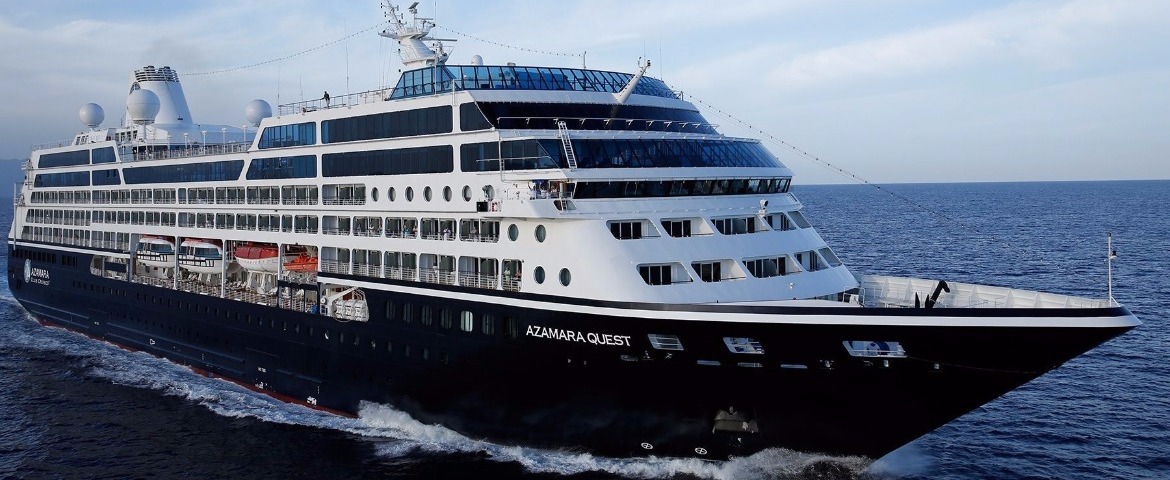
Azamara Club Cruises (2 Cruises)

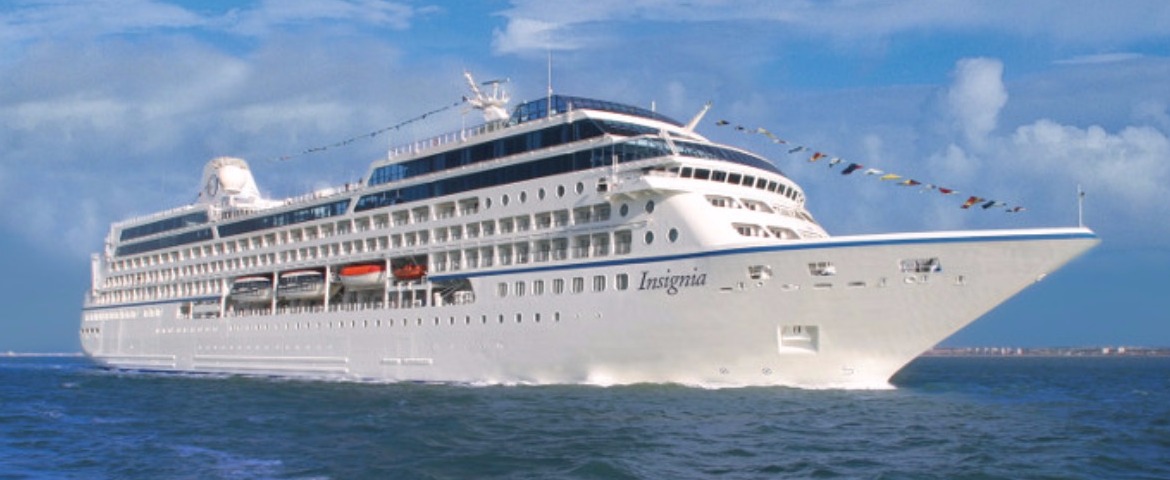
Oceania Cruises (3 Cruises)

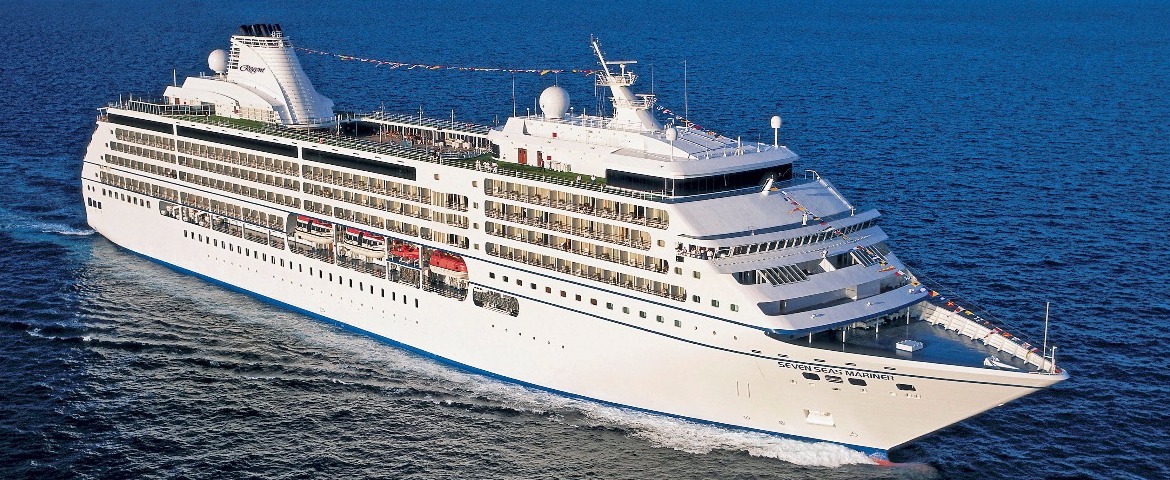
Regent Seven Seas Cruises (11 Cruises)
Seven Seas Mariner
11 Cruises

Frequently Asked Questions
Depending on size, downtown on Kotka island about 600 metres from the market square, or at the Mussalo terminal, from which shuttles reach the centre in a few minutes.
Because the Kymijoki river meets the Baltic there. That position explains everything: the sawmills of old, the great export port, and the local habit of living facing the water.
A contemporary building with a wave-shaped roof, on the quays of the old Kantasatama harbour about a kilometre from the market square. One ticket covers the Maritime Museum of Finland, the Kymenlaakso regional museum and the coastguard museum.
Navigation, shipwrecks, fishing, lighthouse life: the collections tell the story of a country that has always made its living on the water. The models and restored boats hold the attention of enthusiasts and hurried visitors alike, and the roof terrace opens over the basins.
The water garden that is Kotka's pride, a short walk from the centre around a sheltered inlet. A waterfall drops down a granite wall, walkways cross pools and flowerbeds, and polished stones punctuate the lawns like sculptures.
Yes, and it has the awards to back it. Behind the cranes and warehouses lies a town of parks and carefully kept gardens, regularly honoured: the streets lead from one green space to the next, scattered sculptures included.
An aquarium presenting the fish of Finland's lakes and coasts in some thirty tanks, close to Sapokka. Pike, salmon, whitefish and burbot swim in water drawn directly from the sea next door. Families do well here.
Because the region long lived under the rhythm of the Russian Empire. St Nicholas church, ringed by trees in Isopuisto park between the centre and Sapokka, bears witness to it.
The Kymijoki valley, known for its rapids and salmon fishing. The river long formed the border between Sweden and Russia, and its banks keep imperial pavilions and workers' villages. It takes a few hours to make the most of it.
Start at the market square, then Vellamo, then Sapokka and the Maretarium to the south: everything is within walking distance. It is the contrast between industry and garden that gives the call its flavour, a granite waterfall a stone's throw from the harbour cranes.


