Ancenis France
162
Cruises availables
At departure or passage at this port
CroisiEurope (162 Cruises)
MS Lafayette
56 Cruises
 Image not available

| 27 October | 5 days | Round-trip Whispers of the Loire A Cruise Through Heritage and Legends |
450-628-6241
Call us
|
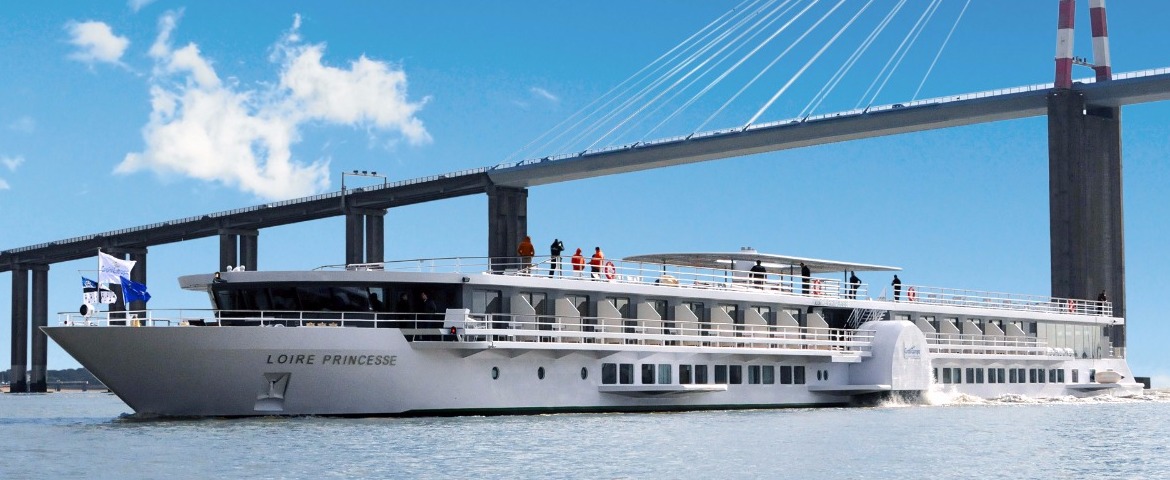
Ms Loire Princesse
106 Cruises
| 27 October | 5 days | Round-trip Whispers of the Loire A Cruise Through Heritage and Legends |
450-628-6241
Call us
|
| 27 October | 6 days | Round-trip from Nantes, France |
450-628-6241
Call us
|
Port of Ancenis, France | Cruise Port Guide
Frequently Asked Questions
At a purpose-built river pontoon, about ten minutes' walk from the old town. The facilities were designed for the Loire Princesse, the only cruise vessel built for this river.
Because the lower Loire has no dams at all. It shifts its sandbanks with every flood and sets its own water level for navigators. The Loire Princesse, driven by paddle wheels, was built for these shallow depths.
No, the interior is not open to visitors. The walk around the moat and grounds is open and shows a Renaissance residence grafted onto medieval towers, with fine views over the valley.
Founded in 984 by the dukes of Brittany, it guarded the river on the border between the duchy and the kingdom of France. The treaty signed here in 1468 sealed Francis II's submission to Louis XI, a prelude to Brittany joining the kingdom.
The town around Saint-Pierre church, the old Loire boatmen's quays, then a walk across the suspension bridge above the sandbanks. A tasting at one of the hillside estates rounds out the half day.
The poet was born at Liré, directly opposite on the Anjou bank. It was these slopes he had in mind when he wrote Happy the man who, like Ulysses, has made a fine voyage. The landscape he missed is still legible: flood meadows, poplars, slate steeples.
The Coteaux d'Ancenis produce a light gamay red and a sweet malvoisie that pairs with local cheeses. They remain little known; several nearby estates welcome travellers for tastings, often offered as a shore excursion.
Yes. A marked cycle route follows the riverbank and suits an hour's ride between two villages. The terrain is flat, which works for most passengers.
The river, its pale sandbanks and shifting islands, with Brittany on one side and Anjou on the other. Downstream, the medieval keep of Oudon still watches boats pass, as it did in the days of feudal tolls.
It is a regional call with no major monument to tour: the château stays closed and the town takes an hour to walk. Its appeal is the river itself, its terns and its islands, and the vineyards on the slopes. Travellers looking for spectacle will be disappointed; those looking for a slower pace rarely are.


