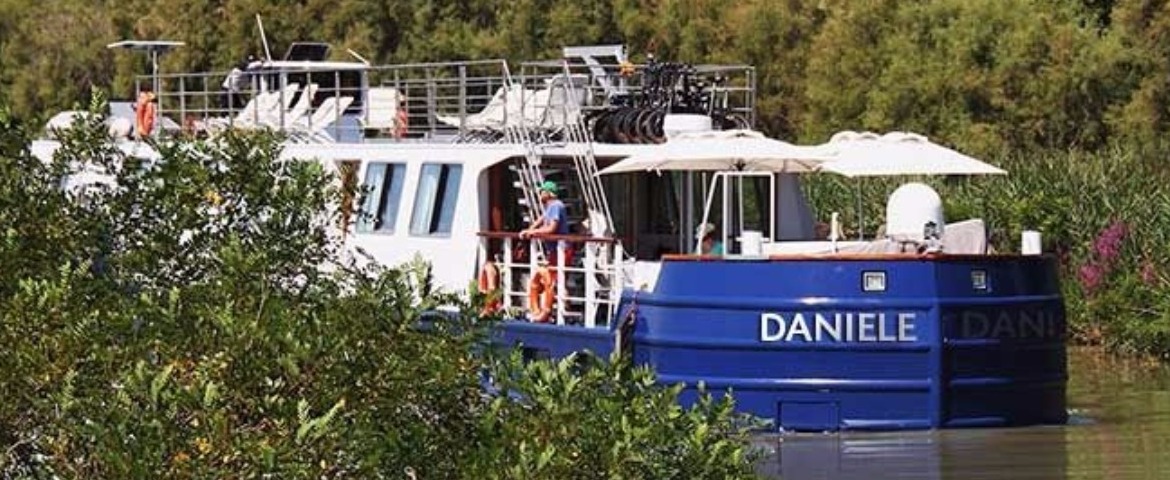
The Doubs draws here an almost perfect loop, and a mountain locks its entrance. Few European urban sites are as clearly legible from the water: the old city nestled in its meander, the fortress set on the rocky spur, and even a river tunnel carved beneath the rock that some barges use to cut across the loop. Cruise units moor within minutes of the historic centre.

Vauban's Citadel

Vauban considered Besançon one of his major works, and UNESCO gave him reason by inscribing the fortifications on the world heritage list in 2008. Built between 1668 and 1683 on the rock that closes the meander, the citadel lines its bastioned fronts more than a hundred metres above the river. You climb for the panorama, you stay for the museums: a memorial to Resistance and Deportation, spaces of Comté history, not to mention the zoological garden and insectarium installed in the former military quarters, which enchant children.

The Capital of Time

Since the eighteenth century, Besançon manufactures watches, and this vocation reads everywhere. The Museum of Time, housed in the Granvelle Palace and its Renaissance courtyard, displays mechanisms, pendules and chronometers with an entire floor devoted to the measurement of hours. In the Cathedral of Saint John, at the foot of the citadel, the nineteenth-century astronomical clock animates its thirty thousand pieces and dozens of dials to indicate tides, eclipses and calendars. The visit, commented, is part mechanics and part poetry.

The Great Street: Two Thousand Years in a Straight Line

The main artery follows the path of the Roman road that crossed the ancient city. You climb it from Battant Bridge, crossing grey-blue Comté façades, the courtyards of grand mansions and the birthplace of Victor Hugo, born here in 1802, transformed into a journey through his struggles. At the very top, the Black Gate, a second-century triumphal arch weathered by the elements, marks the entrance to the canonical quarter; the neighbouring square gathers columns and remnants unearthed during excavations. The Vauban Quay and its seventeenth-century arcades, on the river side, offer the finest perspective for understanding the link between the city and its water.

Comté Flavours

A stop here is tasted too: Comté aged for long years, creamy cancoillotte, Morteau sausage smoked in the smoke-house and Jura wines, including the singular yellow wine. The tables around the loop make entire menus from them, and the covered Beaux-Arts market allows you to compose a basket before heading back to the river. Sweet-toothed visitors will seek the griottines, sour cherries in kirsch from Fougerolles, an assumed regional speciality.

Reference Points

ElementDetail
MooringDoubs Quays, centre within walking distance
CitadelSustained climb on foot or tourist shuttle
Museum of TimeGranvelle Palace, Great Street
Astronomical ClockCathedral of Saint John, visits at fixed times
Currency and LanguageEuro; French

The Right Time

On departure, the loop closes behind the boat and the stronghold disappears last, faithful to its role as sentinel. Besançon will have spent the day talking of time: that of the watchmakers, that of empires, that of rivers patiently carving their meanders. You depart oddly punctual, and decidedly less rushed.

Frequently Asked Questions

At the Doubs quays, a few minutes from the historic centre. The city curls inside an almost perfect loop of the river, sealed off by a rocky spur.
A passage cut beneath the citadel rock, which some barges use to cut across the Doubs loop rather than going around it. It is one of the curiosities of navigation in Franche-Comté.
Because Vauban considered it one of his major works, and UNESCO agreed by listing the fortifications in 2008. Built between 1668 and 1683 on the rock that closes the meander, its bastioned fronts stand more than a hundred metres above the river.
The Resistance and Deportation memorial, exhibits on the history of Franche-Comté, and also a zoo and insectarium set up in the former barracks, which children enjoy a great deal. You climb up for the view and stay for the museums.
On foot by a steady climb from the old town, or by tourist shuttle. The slope is real: anyone who walks with difficulty should plan on the shuttle.
Because it has made watches since the eighteenth century. The Museum of Time, housed in the Palais Granvelle and its Renaissance courtyard, displays movements, clocks and chronometers, with a whole floor devoted to the measurement of hours.
A nineteenth-century machine in Saint-Jean cathedral, at the foot of the citadel, driving thirty thousand parts and dozens of dials to show tides, eclipses and calendars. Visits are guided and run at set times: check the schedule on arrival.
It follows the line of the Roman road and climbs from the Pont Battant: grey-blue Comtois facades, mansion courtyards, and the house where Victor Hugo was born in 1802, now a museum devoted to his causes. At the top, the Porte Noire, a second-century triumphal arch, marks the entrance to the cathedral quarter.
Long-aged Comté, creamy cancoillotte, Morteau sausage smoked in a tuyé, and wines from the neighbouring Jura, including the singular vin jaune. The Beaux-Arts covered market is the place to build a basket before heading back down to the river; for something sweet, look for Fougerolles cherries in kirsch.
The euro and French. Cards work everywhere. The Quai Vauban and its seventeenth-century arcades give the best view of how the city relates to its water, a few steps from the mooring.