Propriano Corsica | Beaches & Authentic Island Cruise Guide

The Gulf of Valinco forms one of the widest inlets on the Corsican coast: a sheet of calm water lined with maquis-covered hills, with Propriano nestled at its far end. The small seaside resort lives between its fishing quay, its terraces and its beaches, but it also holds the key to two older worlds: granite Sartène and the statue-menhirs of Filitosa, which have stood there for millennia. A port call here is shared between the sea and memory.

Arriving at the back of the bay

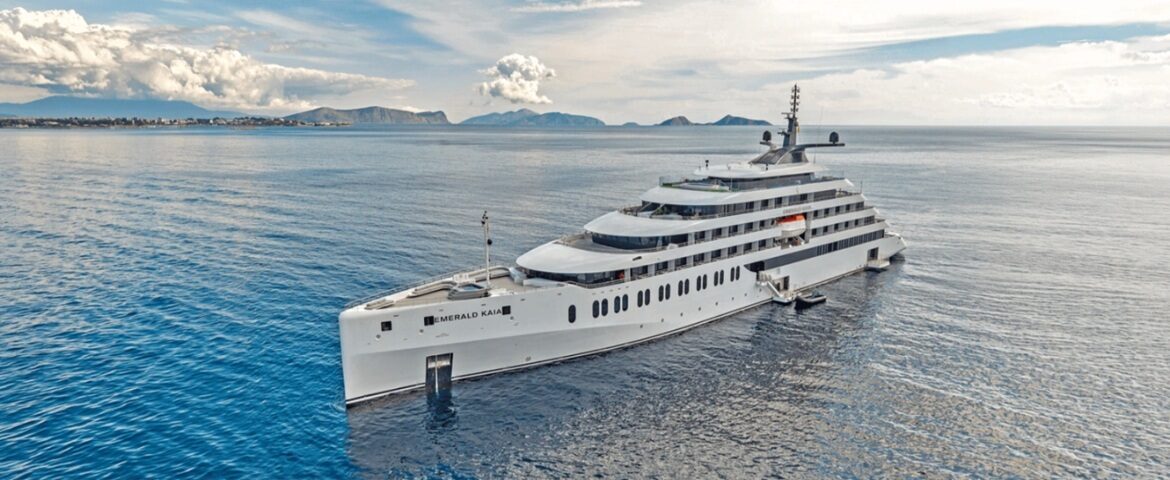
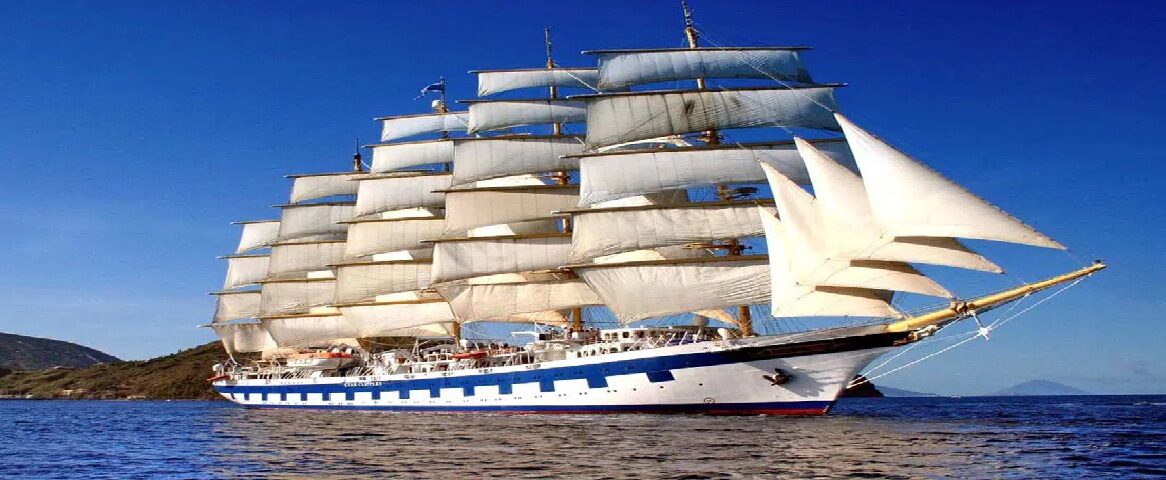
The cruise ships that call at Propriano are of reasonable size: they moor at the commercial port quay or anchor in the harbour, a short tender ride from the centre. Once ashore, everything is right there: Avenue Napoléon III runs along the harbour, lining up cafés, ice cream parlours and shops facing the boats and sailboats. In ten minutes on foot, you have already covered the essentials of the town.

The town and its balcony

Take the climb up to the Church of Notre-Dame-de-la-Miséricorde, built in 1864 above the rooftops. The understated building leaves the spotlight to the landscape: its forecourt offers the best view over the water, the hills and the ballet of boats. Then head back down through the shopping streets: the shops sell maquis honey, cured meats, cheeses and handcrafted knives, enough to put together a basket of flavours before returning on board.

The beaches of the Valinco

The sand begins at the edge of the centre. Lido beach stretches a few minutes' walk from the quay, in a bright cove backed by hills. Farther south, toward Portigliolo, the shore lengthens into a wild strip popular with lovers of tranquillity, while the northern shore of the Valinco is strung with turquoise coves reachable by car or by boat. The water, shallow and quick to warm up, is suitable for swimming much of the year. Families appreciate the gentle slope at the Lido, where children can stand for a long way out.

Sartène, the granite neighbour

About a dozen kilometres up in the hills, Sartène is worth the excursion. Prosper Mérimée called it the most Corsican of Corsican towns, and the description still holds: granite houses packed together like a fortress, dark lanes opening onto bright squares and a plunging view over the Rizzanese valley. Place de la Libération and its cafés, the Church of Sainte-Marie and the maze of the old quarter make up an immersion in inland Corsica, twenty minutes by road from the coast.

Filitosa, eight thousand years of enigmas

Farther north, the prehistoric site of Filitosa brings together statue-menhirs with carved faces, armed with swords and daggers, witnesses to a megalithic civilization that occupied the site for millennia. Rediscovered in 1946 in a family field, the trail winds among century-old olive trees and granite boulders, supported by a small museum. Allow half a day on an excursion or by taxi; archaeology enthusiasts often make it the highlight of their port call.

Practical pointers

DestinationDistanceAccess
Centre and Avenue Napoléon IIIImmediateOn foot
Lido beachAbout 1 kmOn foot
Sartène12 to 14 kmTaxi or excursion, 20 min
FilitosaAbout 20 kmTaxi or excursion

As you leave the gulf

The ship heads back out to sea past the Genoese towers that still punctuate the capes of the Valinco, such as the one at Campomoro on the southern point. They are a reminder that this peaceful gulf was long a closely watched frontier. Today, all that remains is the evening light on the maquis and the comforting idea that a discreet Corsica still exists, far from the crowds.

Frequently Asked Questions

At the commercial port quay at the head of the Gulf of Valinco, or at anchor in the roadstead with a tender transfer. Ships calling at Propriano are modest in size, and the town centre is close either way.
The main part of town, yes. Avenue Napoléon III runs along the basin lined with cafes, ice cream shops and stores facing the fishing boats. Ten minutes on foot covers the heart of it. Sartène and Filitosa, however, require a taxi or an excursion.
One excursion, not two. Either Sartène, about twelve kilometres and twenty minutes away, or the prehistoric site of Filitosa further north, which needs a solid half day. If you stay in town, the climb to the church and Lido beach fill the time nicely.
Few monuments, and it is fair to say so plainly. The climb to Notre-Dame-de-la-Miséricorde church, built in 1864, is worth it mainly for the forecourt: the best view over the water, the hills and the coming and going of boats. The shopping streets sell maquis honey, charcuterie, cheeses and handmade knives.
Yes, Lido beach, about a kilometre from the quay, in a bright cove backed by hills. Its gentle slope suits families, as children can stand for a long way out. The shallow water warms quickly and is swimmable for much of the year.
Because Prosper Mérimée called it the most Corsican of Corsican towns, and the phrase still holds. Granite houses packed like a fortress, dark lanes opening onto bright squares, a plunging view over the Rizzanese valley. It is inland Corsica, twenty minutes from the coast.
It is a prehistoric site where carved-faced standing stones, armed with swords and daggers, mark a megalithic civilisation that occupied the valley for millennia. Rediscovered in 1946 in a family field, the trail winds between centuries-old olive trees and granite blocks. Allow half a day; archaeology enthusiasts treat it as the highlight of the call.
The euro. Cards work in the port's shops and restaurants. Still bring cash for taxis, producers and small sites such as Filitosa.
May to October, with a clear edge to June and September: warm water, soft light and quiet roads toward Sartène and Filitosa. In high summer the heat pushes you to do everything in the morning.
Yes, they punctuate the headlands of the Gulf of Valinco, such as the one at Campomoro on the southern point. They are clearly visible from the deck as the ship heads back out. They are a reminder that this peaceful gulf was long a watched frontier.