Saint-Mammes France
26
Cruises availables
At departure or passage at this port
CroisiEurope (26 Cruises)
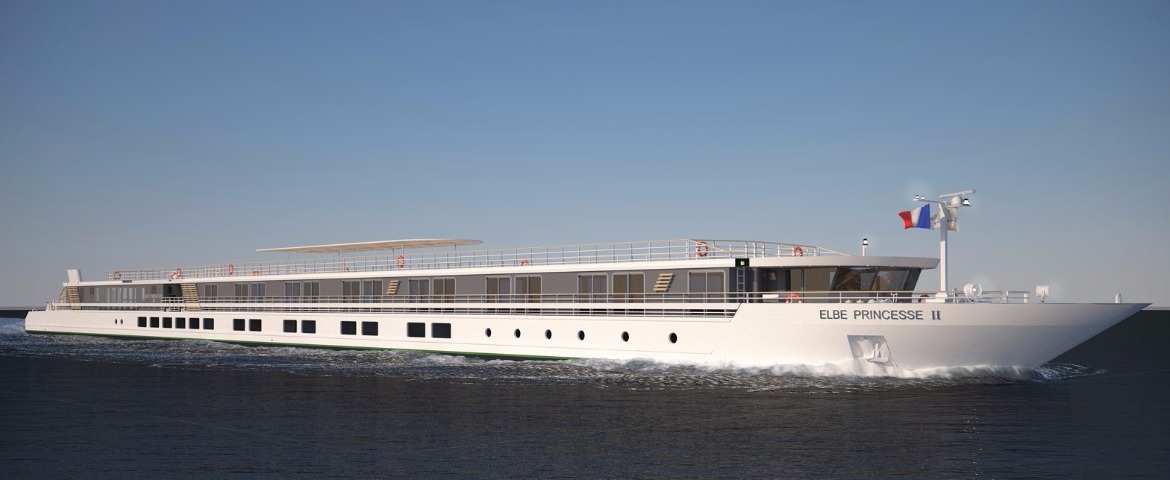
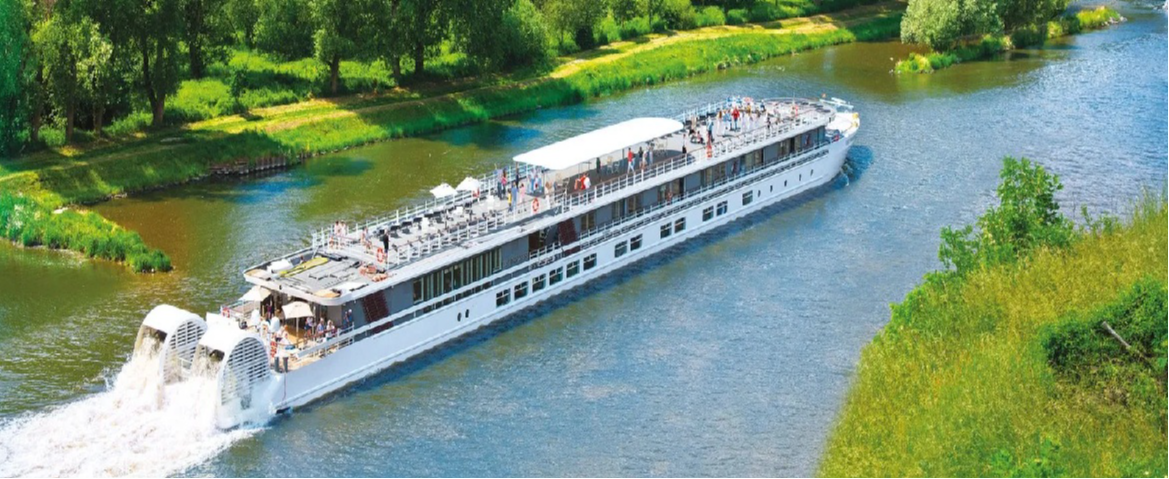
MS Elbe Princesse II
13 Cruises

| 16 March | 6 days | Round-trip from Paris City, France |
450-628-6241
Call us
|
| 28 March | 6 days | Round-trip from Paris City, France |
450-628-6241
Call us
|
| 14 July | 6 days | Round-trip from Paris City, France |
450-628-6241
Call us
|
| 31 July | 6 days | Round-trip from Paris City, France |
450-628-6241
Call us
|
| 12 August | 6 days | Round-trip from Paris City, France |
450-628-6241
Call us
|
| 24 August | 6 days | Round-trip from Paris City, France |
450-628-6241
Call us
|
Ms R.E Waydelich L.J
13 Cruises
| 16 March | 6 days | Round-trip from Paris City, France |
450-628-6241
Call us
|
| 28 March | 6 days | Round-trip from Paris City, France |
450-628-6241
Call us
|
| 14 July | 6 days | Round-trip from Paris City, France |
450-628-6241
Call us
|
| 31 July | 6 days | Round-trip from Paris City, France |
450-628-6241
Call us
|
| 12 August | 6 days | Round-trip from Paris City, France |
450-628-6241
Call us
|
| 24 August | 6 days | Round-trip from Paris City, France |
450-628-6241
Call us
|
Saint-Mammès, France | Guide des escales de croisière
Frequently Asked Questions
At the mooring quay in the heart of the village, metres from the houses. Saint-Mammès sits at the point where the Loing joins the Seine, south of the Fontainebleau forest. Everything is within strolling distance.
Two possible days. Either the village and Moret-sur-Loing, two kilometres away, following the river on foot. Or the château de Fontainebleau, about fifteen kilometres away, which takes a full half day. The two together do not fit.
Because inland shipping shaped everything here. With Conflans-Sainte-Honorine, it was one of the great bargemen's communities of the Île-de-France: dozens of families lived aboard and waited here for a load bound for Paris. Facades turned to the water, mooring rings set in stone, narrow lanes between gardens.
A museum barge moored along the quay, telling from hold to cabin the story of inland navigation, its codes and the routes that crossed all of France. It is the most eloquent visit in the village.
A tradition practised on the Loing since the late 19th century: jousters face off standing at the bows of their boats, cheered by crowds on the banks. They are held only on certain dates, so check on board.
Yes, and its age is surprising: the oldest parts date from around the year 1000. Inside are a 13th-century statue of the patron saint and a 14th-century Virgin and Child. Allow about twenty minutes.
Alfred Sisley set up his easel on these banks dozens of times. Living in nearby Moret-sur-Loing until his death in 1899, he returned constantly to the confluence. Open-air orientation panels mark the exact spots he painted, letting you compare the reproduced canvas with the real landscape, often barely changed.
Yes, two kilometres away along a riverside walk. Fortified gates, a keep and half-timbered houses make up a medieval setting that has stayed remarkably intact. While there, try the barley sugar of the Moret nuns, made to a 17th-century recipe.
The euro. The village has few shops: plan purchases elsewhere and keep cash. Moret barley sugar and Brie cheeses are the best things to bring back from the area.
No, and it is better said plainly. The village does not try to impress. Life here simply follows the water: children fish on the Loing, regulars call across the banks, barges smoke gently at supper time. That is exactly what stays with you.


