Saint-Nazaire France

152 Cruises availables At departure or passage at this port

CroisiEurope (148 Cruises)

Image not available

MS Lafayette

Visit the ship's page
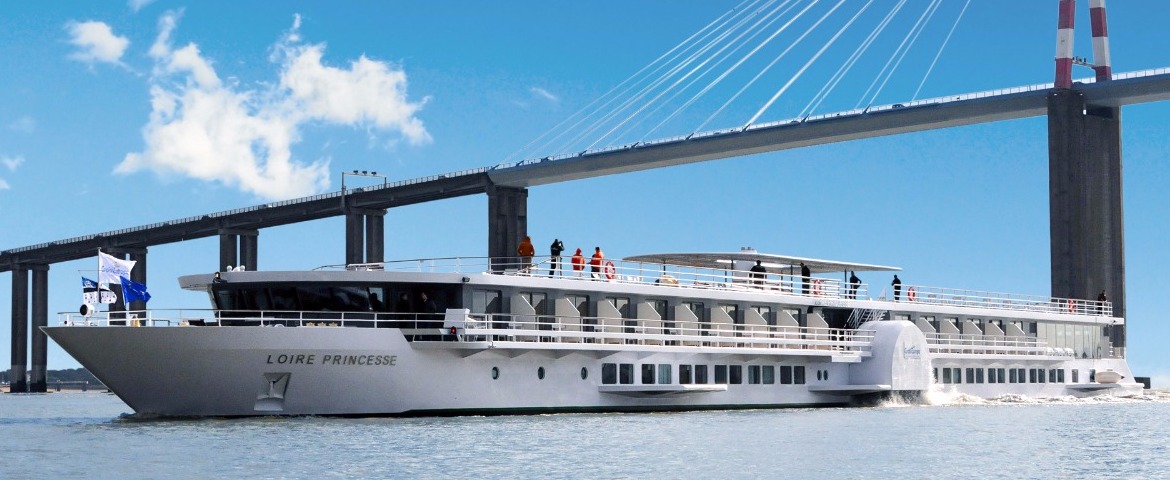
Cruise CE Croisieurope MS Loire Princesse ship

Ms Loire Princesse

94 Passengers
Visit the ship's page

Port of Saint-Nazaire, France | Cruise Port Guide

This is where some of the largest cruise ships in the world are born. Sailing up the Loire estuary, passengers first spot the giant gantry cranes of the Chantiers de l'Atlantique shipyard, then the massive silhouette of the submarine base, before the ship moors in the very heart of the harbour basin. Saint-Nazaire is unlike any other French port call: the city doesn't tell its story through ancient monuments, but through its almost visceral relationship with shipbuilding and the ocean.

The city of ocean liners

From the Normandie to the Queen Mary 2, the Chantiers de l'Atlantique have been assembling giants of the seas for more than 160 years. The site covers about a hundred hectares and can be toured by motorcoach, departing from the old concrete fortress: workshops, assembly docks and observation platforms let you grasp the dizzying scale of the work in progress. With a little luck, a future cruise ship sits in the dock, still open like a life-size model. For a cruise passenger, seeing the place where their own floating world may have been welded together is a strange and fascinating feeling. The guides pepper the tour with anecdotes about launches, tonnage records and the traditions of the shipbuilding crews.

Escal'Atlantic, the memory of the transatlantic liners

In the heart of the giant bunker built by the occupying forces during the Second World War, Escal'Atlantic recreates the world of the great ocean liners over more than 3,700 square metres. You cross a boarding gangway, walk along passageways, and move from the first-class lounges to the steerage deck of the emigrants bound for America. The self-guided tour takes between an hour and an hour and a half. Nearby, the submarine Espadon, in service with the French Navy from 1960 to 1985, can be visited with an audio guide: the narrowness of the bunks and passageways speaks volumes about the life of its crews.

A city rebuilt facing the ocean

Almost entirely bombed during the war, Saint-Nazaire reinvented itself in the 1950s with clear, airy urban planning, turned toward the sea. From its rooftop terrace turned lookout, the view takes in the port, the estuary and the immense Saint-Nazaire Bridge, whose metal span crosses the Loire for more than three kilometres. History buffs will also remember that in 1942 British commandos carried out one of the most daring raids of the war here, against the Joubert lock-dock.

From the seafront to Monsieur Hulot's beach

Beyond the basins, the city reveals a gentler face. The seafront stretches toward long sandy beaches, lined by a promenade popular with cyclists and walkers. A few kilometres away, the beach at Saint-Marc-sur-Mer served as the setting for Monsieur Hulot's Holiday, the Jacques Tati film shot in 1951: a statue of the character, leaning toward the sea, still greets swimmers. Excursions also head to Guérande and its salt marshes, or La Baule and its crescent-shaped bay, about fifteen kilometres away.

Port call landmarksDetails
DockingHarbour basin, near the great historic basins
Chantiers de l'AtlantiqueGuided motorcoach tour, about 2 hours
Escal'AtlanticSelf-guided tour of 60 to 90 minutes
Guérande and La BauleAbout fifteen kilometres away

Back to sea

Leaving Saint-Nazaire by the estuary means retracing in reverse the route of every liner that has left the shipyard. On the quays, the cranes continue their ballet; in the workshops, a future ship takes shape, section by section. Passengers watching the gantries recede then understand that they haven't just called at a port: they've visited the birthplace of their own cruise.

Frequently Asked Questions

Right in the port basin, near the large historic docks, after coming up the Loire estuary. You first see the giant gantries of the Chantiers de l'Atlantique, then the massive outline of the submarine base.
The guided tour of the Chantiers de l'Atlantique shipyard, about two hours by coach, then Escal'Atlantic, a self-guided route of 60 to 90 minutes. Both sit in the same port area and make the most coherent call.
Yes, by coach departing from the old concrete fortress: workshops, assembly docks and viewing platforms. With luck, a future cruise ship lies in the dock, still open like a full-scale model. The site covers around a hundred hectares.
A recreation of the world of the great ocean liners, across more than 3,700 square metres, set inside the giant bunker built by the occupying forces during the Second World War. You cross a boarding gangway, walk the passageways, and pass from first-class salons to the emigrants' steerage.
Yes, the Espadon, in French naval service from 1960 to 1985, can be toured with an audio guide. The tightness of the bunks and passageways says a great deal about life aboard. Anyone claustrophobic is better off skipping it.
Because it was almost entirely bombed during the war. It reinvented itself in the 1950s with clear, open planning facing the sea. The city's story is not told through ancient monuments but through its almost physical relationship with shipbuilding.
Yes, the roof terrace of the submarine base, laid out as a belvedere. The view takes in the port, the estuary and the vast Saint-Nazaire bridge, whose steel span crosses the Loire for more than three kilometres.
Yes. Past the docks, the seafront runs toward long sand beaches lined by a promenade popular with cyclists. A few kilometres away, the beach at Saint-Marc-sur-Mer was the setting for Monsieur Hulot's Holiday, filmed in 1951: a statue of the character still greets swimmers.
To Guérande and its salt marshes, or to La Baule and its crescent bay, about fifteen kilometres away. They suit visitors who prefer the coast to shipbuilding.
The euro and French. Cards work everywhere: this is a substantial city with full services. Shipyard tours must be booked ahead and fill quickly in season.