Tournus France
118
Cruises availables
At departure or passage at this port
AmaWaterways (79 Cruises)
AmaCello
79 Cruises
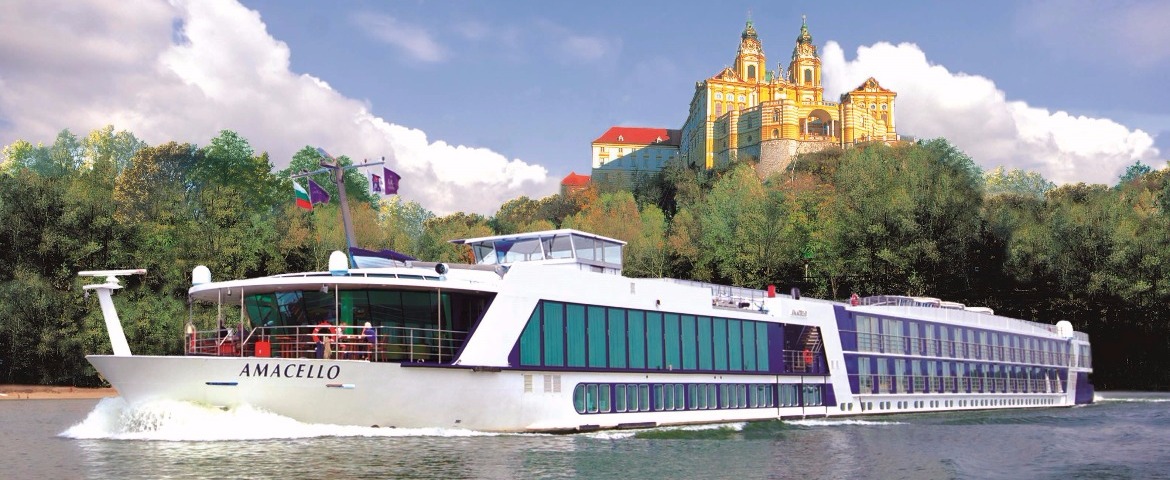

| 18 March | 8 days | One-way from Dijon to Lyon |
450-628-6241
Call us
|
| 25 March | 7 nights | One-way from Lyon to Saint-Jean-de-Losne, France |
450-628-6241
Call us
|
| 3 June | 7 nights | One-way from Arles to Saint-Jean-de-Losne, France |
450-628-6241
Call us
|
| 10 June | 8 days | One-way from Dijon to Lyon |
450-628-6241
Call us
|
| 23 March | 7 nights | One-way from Arles to Saint-Jean-de-Losne, France |
450-628-6241
Call us
|
| 30 March | 7 nights | One-way from Dijon to Lyon |
450-628-6241
Call us
|
Avalon Waterways (15 Cruises)
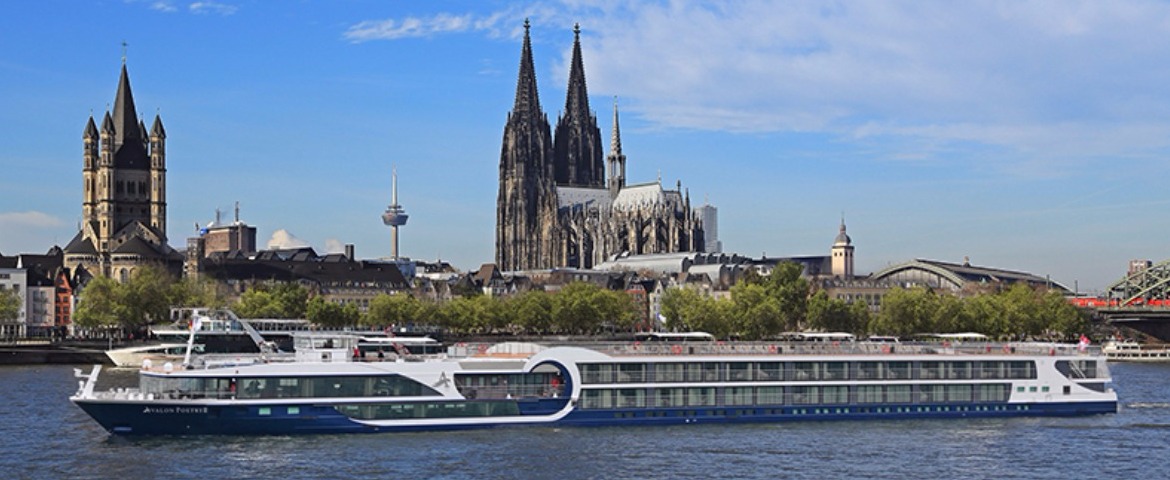
Avalon Poetry II®
10 Cruises


Tauck Cruises (24 Cruises)
MS lumière
24 Cruises



Port of Tournus, France | Cruise Port Guide
Frequently Asked Questions
At the river mooring, steps from the centre, on the bank of the Saône where Burgundy begins to feel southern: round tile roofs, ochre facades, plane trees on the quays. Long before docking, two rose-coloured stone towers appear above the roofs.
One of the oldest great Romanesque sanctuaries in France, built around the year 1000 by monks fleeing Norse raids with the relics of Saint Philibert. Through the doorway the surprise is complete: an immense nave with cylindrical piers of pink stone, roofed by transverse vaults unique in Romanesque art.
The abbey church and its monastic complex, then the Hôtel-Dieu and the Greuze museum, an hour each. That leaves time to wander the old town and have lunch. No excursion is needed: everything is on foot.
Almost all of it, which is exceptionally rare in Europe: cloister, chapter house, refectory and 11th-century cellar, in addition to the crypt with its slender columns, the massive narthex and the upper chapel. Visits are self-guided, in a silence that sets a slow pace by itself.
A 17th-century hospital that kept its panelled wards, its rows of enclosed beds and its apothecary, where faience and pewter jars still await their preparations. It also houses the museum devoted to Jean-Baptiste Greuze, a painter born in Tournus in 1725.
Saturday morning, on the quays and squares, in a very provincial good humour in the best sense, wicker baskets and handshakes included. The shop windows set the Burgundian tone the rest of the week: Mâconnais goat cheeses, mustards, gingerbread.
It is the legacy of a hotel tradition born on the road from Paris to Lyon. Around the famous Greuze restaurant orbit bistros and inns where nearby Bresse poultry, quenelles and Charolais beef are treated seriously. Lunch menus stay affordable for those who book early.
Yes, the Voie Bleue follows the Saône from Lorraine to Lyon and passes through here. A walk on the banks, toward the bridge or the old barges, is enough to grasp the particular gentleness of this corner of southern Burgundy.
Yes, about ten kilometres west. It is indeed that village that gave its name to the most widely planted white grape in the world. A curiosity few visitors know before arriving.
A jar of crème de cassis or a bottle of white Mâcon, which will extend the stop long after the last lock. The wine merchants of the old town line up the neighbouring appellations, and the potters' workshops set up in the cellars are also worth a look.


