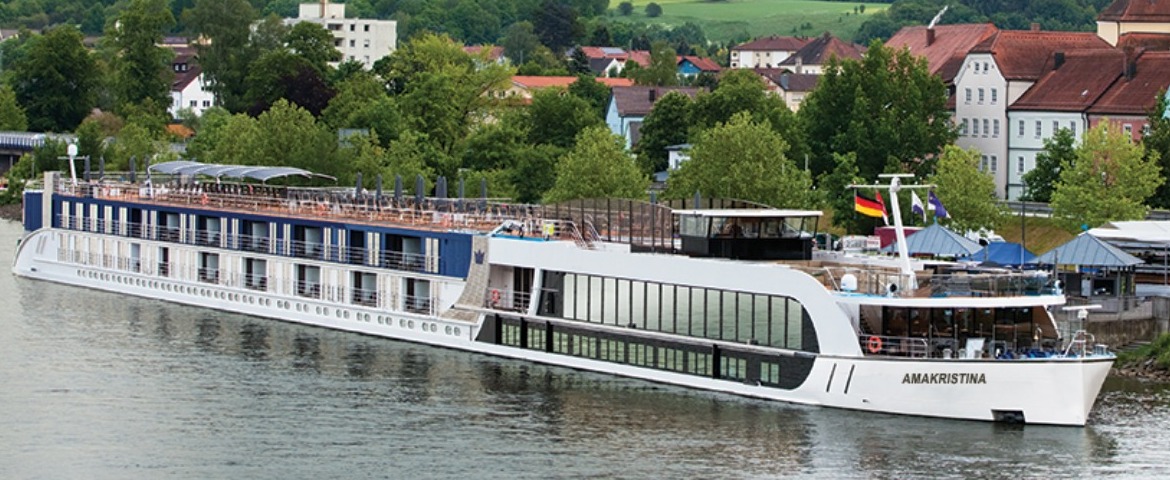
Port of Trévoux, France | Cruise Port Guide

There was a time when this town on the left bank of the Saône was the capital of a tiny state, the Principality of Dombes, with its own parliament, its own currency and printers famous throughout Europe. Trévoux, 25 km upstream from Lyon, has kept from this past grandeur a heritage astonishing for its size. Boats stop at the Bas Port, below the terraces of the old town tiered up the hillside, and everything can be visited on foot, provided you don't mind a few cobbled climbs.

The Parliament of Dombes

On the main street, a plain façade hides one of the valley's surprises: the parliament's courtroom, with its 17th-century painted ceiling, listed as a historic monument. This is where the principality's cases were tried, as it remained independent of the Kingdom of France until 1762. The woodwork, fleurs-de-lis and painted allegories form an Ancien Régime courtroom setting that has miraculously survived. Hearings drew litigants and lawyers from across the region, and it's easy to imagine the hubbub of busy days beneath the painted beams. The short visit is complemented by exhibitions on the unusual history of this micro-state.

The apothecary and the Montpensier hospital

A few steps away, the former hospital founded thanks to the Grande Mademoiselle, Duchess of Montpensier, preserves its 18th-century apothecary: rows of blue and white earthenware jars, mortars and scales, lined up in their original woodwork. Preparing remedies was already explained here to patients from the nearby Dombes, the land of a thousand ponds. The place smells of wax and the history of medicine, and local guides talk about it with infectious relish.

The fortified castle and its view

The Montée de l'Orme, steep and cobbled, hauls walkers up to the feudal castle crowning the hill. Of the fortress of the lords of Villars, from the 13th and 14th centuries, there remain an octagonal keep of golden stone, a rarity in France, and towers from which the panorama rewards the effort: the bend of the Saône, the Monts d'Or of Lyon and the first hills of Beaujolais, with orientation tables to put a name to every steeple. On the way back, the medieval lanes wind gently down between old houses and artists' studios.

The memory of the printers

In the 17th and 18th centuries, Trévoux was a leading printing centre: sheltered from royal censorship, its presses published newspapers and above all the famous Dictionnaire de Trévoux, a multi-volume encyclopedia that became a reference in Enlightenment Europe and spurred on Diderot's. The town, designated a City of Art and History, recalls this golden age in its trails and panels. Walking here means crossing paths with the ghosts of typesetters as much as those of princes, and a few bookshops keep the lineage alive.

Terraces on the Saône

Back to the water's edge for the final reward: tree-lined quays, the pebble beach where Lyonnais come to stroll on Sundays, and terraces serving fried fish from the Saône, frogs' legs with parsley and garlic, and chicken in cream sauce, specialties of the area. The nearby Dombes supplies carp and pike, Beaujolais the pitcher of fresh wine. Facing the suspension bridge and the slow barge traffic, as swans patrol between the docks, mealtime happily stretches out.

The boat then picks up its course toward Lyon or Burgundy, and Trévoux folds away its memories of a principality as you would close a fine old book. A parliament, a dictionary, a golden keep: that's a lot for a town you can cross in twenty minutes, and it's precisely what makes this stop so delightful. Forgotten little capitals sometimes make the greatest port-of-call stories.

Frequently Asked Questions

At the Bas Port, right at the foot of the old town. Trévoux rises up a hillside above the Saône River, and the landing stage sits at river level, so you step off at the bottom of the village with no shuttle or transfer.
Yes, entirely on foot. The village takes about twenty minutes to cross. The only real constraint is the slope: the old town climbs, and the Montée de l'Orme up to the castle is steep and cobbled. Closed shoes with a good sole beat sandals here.
The classic loop fits a half-day: the audience chamber of the Dombes parliament, the 18th-century apothecary in the old hospital, then the climb to the medieval castle for the view, returning through the old lanes to the riverside terraces. Allow about three hours at an unhurried pace.
It is the audience chamber of an independent principality. Until 1762, Trévoux was the capital of the Principality of Dombes, a tiny state with its own parliament and its own currency. The room still has its painted 17th-century ceiling, a listed historic monument. The visit is short, about forty minutes including the exhibits.
Yes, if you have the legs for it. The Montée de l'Orme is short but steep, over uneven cobbles. At the top stand an octagonal keep in golden stone, a rare survival in France, and towers looking out over the bend of the Saône, the Monts d'Or above Lyon and the first hills of Beaujolais. Orientation tables name each steeple.
The original pharmacy of the old hospital, preserved as it was in the 18th century: rows of blue and white faience jars, mortars and scales in their original cabinetry. The hospital was founded thanks to the Duchess of Montpensier. It is a twenty-minute stop, a few steps from the parliament.
Because Trévoux was a major printing centre in the 17th and 18th centuries. Beyond the reach of royal censorship, its presses published newspapers and books, including the multi-volume encyclopedic Dictionnaire de Trévoux, a European reference during the Enlightenment that spurred Diderot's own Encyclopédie. The town, a designated Ville d'art et d'histoire, tells that story through its walking circuits and street panels.
About 25 kilometres upstream on the Saône. Some cruises call at both, but Trévoux stands on its own: it is not a gateway to Lyon, it is a destination in its own right.
The euro. Credit cards work in the restaurants and shops of the centre, but carry some cash: the small museums and a few village businesses still prefer coins and bills, and ATMs are scarce.
On the tree-lined quays, facing the suspension bridge. The terraces serve Saône river fry, frogs' legs in parsley butter and cream-sauced poultry. The nearby Dombes, a land of a thousand ponds, supplies carp and pike, and Beaujolais the cool wine. It is a meal that stretches out, so keep an eye on your all-aboard time.